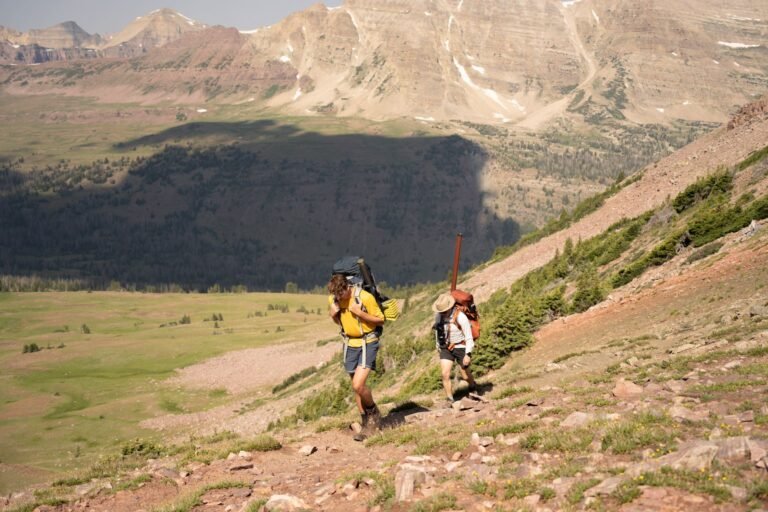
Adventurous hikers crossing a stream in the lush Uinta National Forest, Utah.

Gossamer Gear Review: The Complete Brand Guide

We may earn a commission from links on this page. It never affects our verdicts.

The brand and its roots

Gossamer Gear traces its roots to the late 1990s and early 2000s, when founder Glen Van Peski began sewing his own ultralight backpacks out of necessity while hiking long trails and looking for gear lighter than anything available on the market. What started as a personal project of cutting pack weight down to the essentials grew into a small cottage manufacturer as other hikers began asking for his designs. The company took the name Gossamer Gear in the early 2000s and has since become one of the longstanding names associated with the American ultralight backpacking movement, credited by many in the community with helping popularize the idea that a backpack, sleep system, and shelter could weigh a fraction of traditional gear without sacrificing function on long-distance trails.

The company is headquartered in Austin, Texas, where its design, product development, and customer service operations are based. Gossamer Gear has long emphasized domestic manufacturing for a meaningful portion of its product line, with cutting and sewing for many packs and accessories done in the United States, including at its own Austin facility, while some items in the broader catalogue are produced overseas to keep the lineup accessible across a range of price points. This hybrid model, domestic production for core technical packs alongside overseas manufacturing for select accessories and apparel, has allowed the brand to maintain tighter quality control on its flagship packs while still offering a full ecosystem of ultralight gear including sleep systems, shelters, and trail accessories.

Materials and design

Gossamer Gear's engineering philosophy centers on radical weight reduction achieved through minimalist frame systems, high-tenacity fabrics, and a willingness to strip components down to only what a long-distance hiker actually needs. Many of its packs use a removable or minimal internal frame, sometimes little more than a single stay or a rigid framesheet, paired with a foam sit pad that doubles as back panel padding and camp seating. This dual-purpose design thinking runs throughout the catalogue: features are expected to earn their weight by serving more than one function, and anything that cannot justify its grams is left out. The result is a family of packs that consistently ranks among the lightest in their respective capacity classes, built for hikers who have already dialed in their base weight and want a carrying system that will not undo that work.

Material choice is where the brand's technical range becomes most visible. Gossamer Gear packs span a spectrum from robust high-denier recycled and virgin nylon, used on packs meant to survive years of off-trail bushwhacking and heavy loads, to ultralight Dyneema Composite Fabric and silnylon builds meant purely to minimize ounces for hikers who baby their gear and prioritize weight above all else. The brand also uses ripstop nylon liners and roll-top closures on many models, favoring simple, durable closure systems over zippers wherever weight and water resistance are a concern, since zippers add weight, fail points, and are rarely fully waterproof regardless of coating. Mesh side and front pockets appear across nearly the entire pack lineup, a signature look that prioritizes fast access to water bottles, wet gear, and snacks over the structure and abrasion resistance of solid fabric pockets, an intentional tradeoff the brand has stuck with for two decades even as mesh remains one of the more failure-prone materials in the lineup.

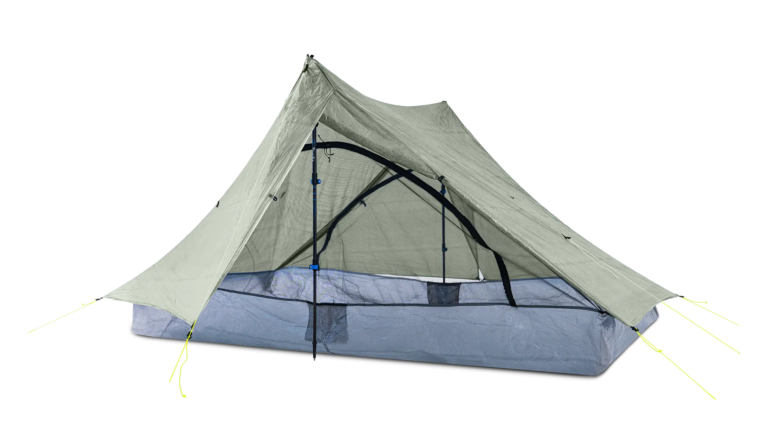
Beyond packs, the design philosophy extends into shelters, sleep systems, and trail accessories built around the same minimalist logic. Trekking-pole-supported shelters like the Twinn Tarp eliminate dedicated tent poles entirely, a weight-saving approach that assumes the user is already carrying poles for hiking support and asks that gear to do double duty. The brand's collaboration with a European down specialist on its sleeping bag line reflects a willingness to partner outside its own manufacturing base when a partner's fill-power expertise exceeds what the brand builds in-house, rather than compromising on loft-to-weight ratio for the sake of a fully in-house product. Even accessory items like the Kula Cloth and Joshua Tree Hiker's Salve reflect the same underlying premise, that the ultralight ethos is a systems problem covering hygiene and skin care as much as it covers what's on your back, and that a cottage brand's catalogue should address the whole trip, not just the pack carrying it.

The catalogue

Flagship Frameless and Framed Backpacks

The core of the catalogue, spanning capacities roughly from 36 to 60 liters and built for thru-hikers who have already minimized their base weight. These packs use the brand's signature single-stay or removable-frame construction and mesh pocket layout.

  • Gorilla 50 Ultralight Backpack – Yellow
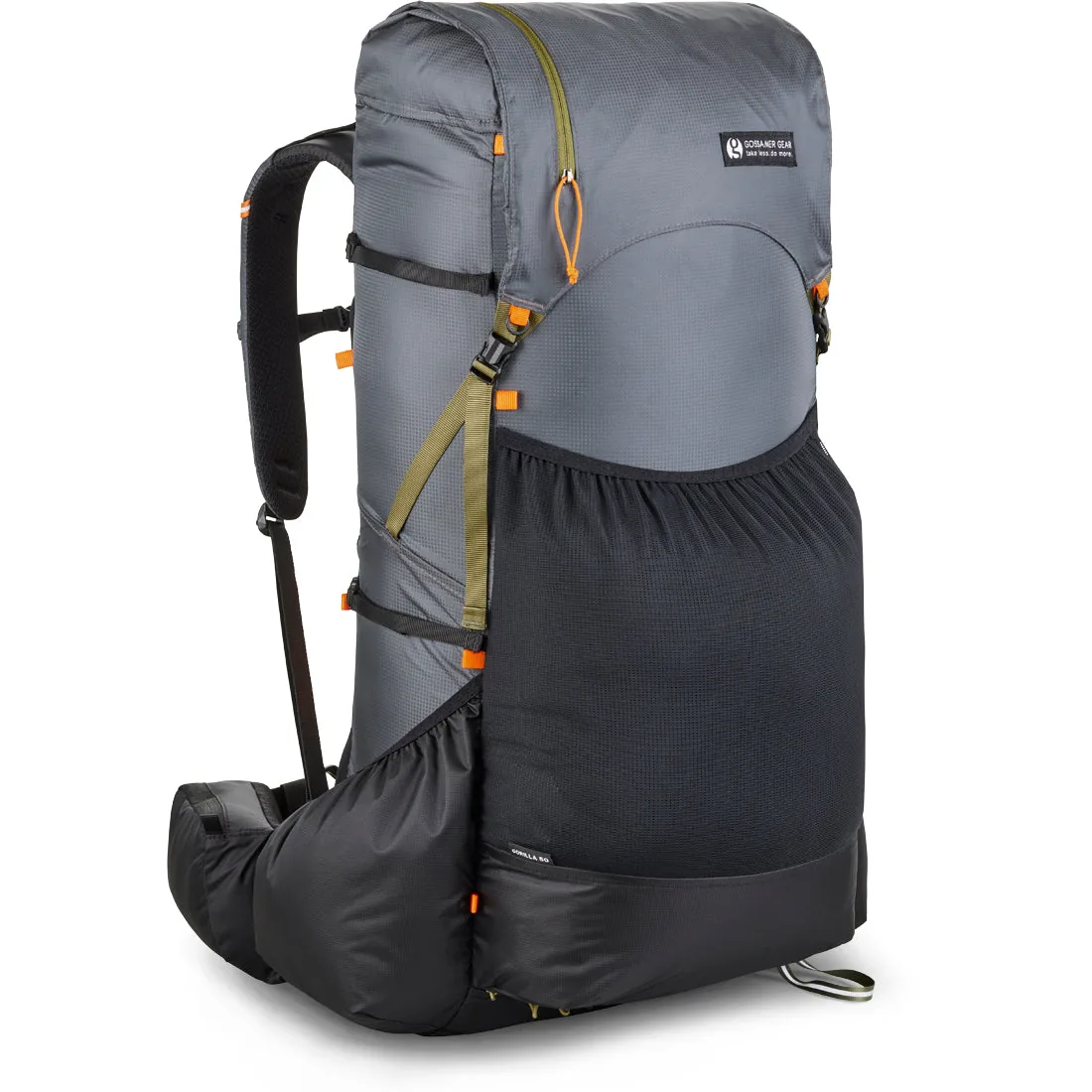
  • Gorilla 50 Ultralight Backpack
  • Kumo 36 Backpack – Yellow
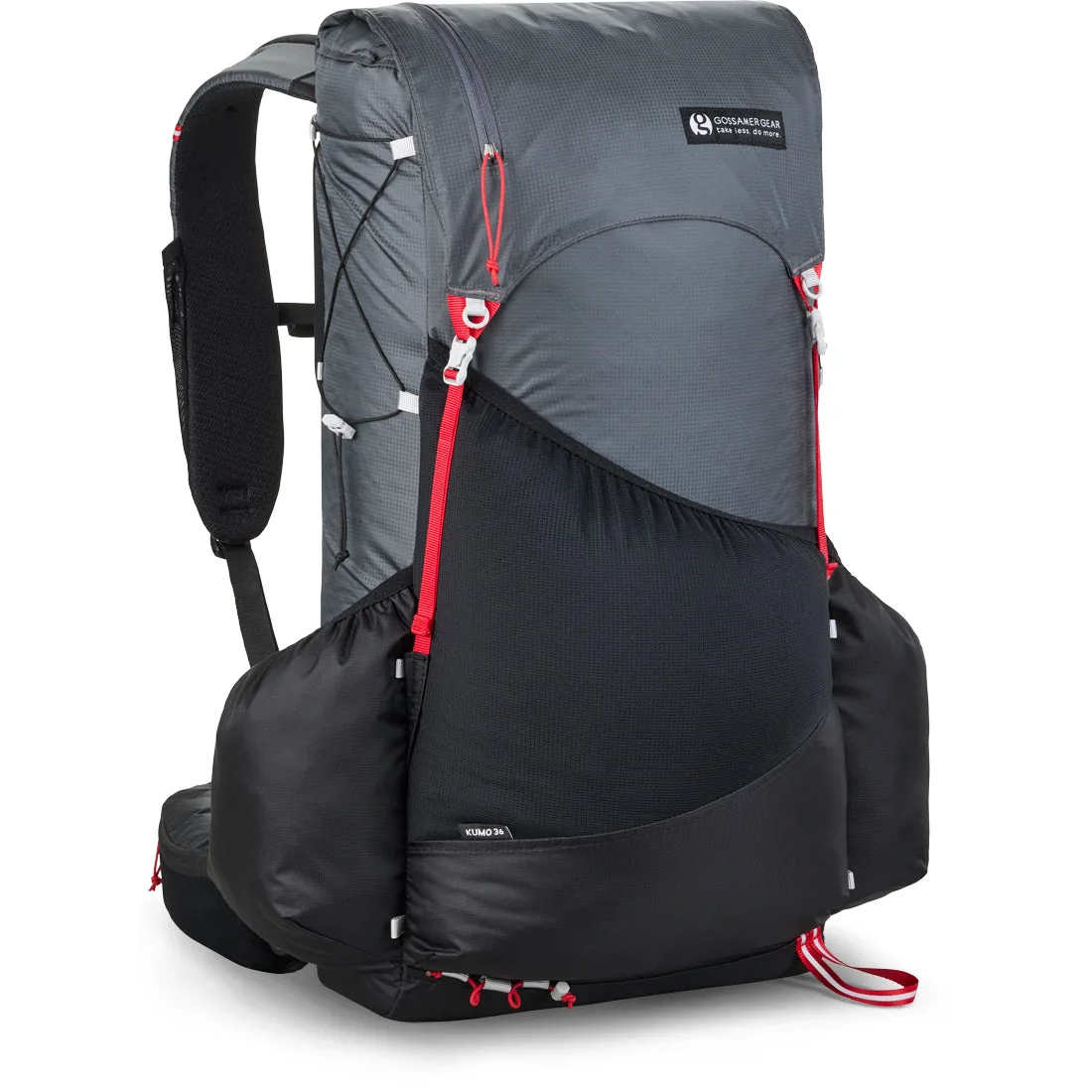
  • Kumo 36 Superlight Backpack
  • Murmur 36 Hyperlight Backpack
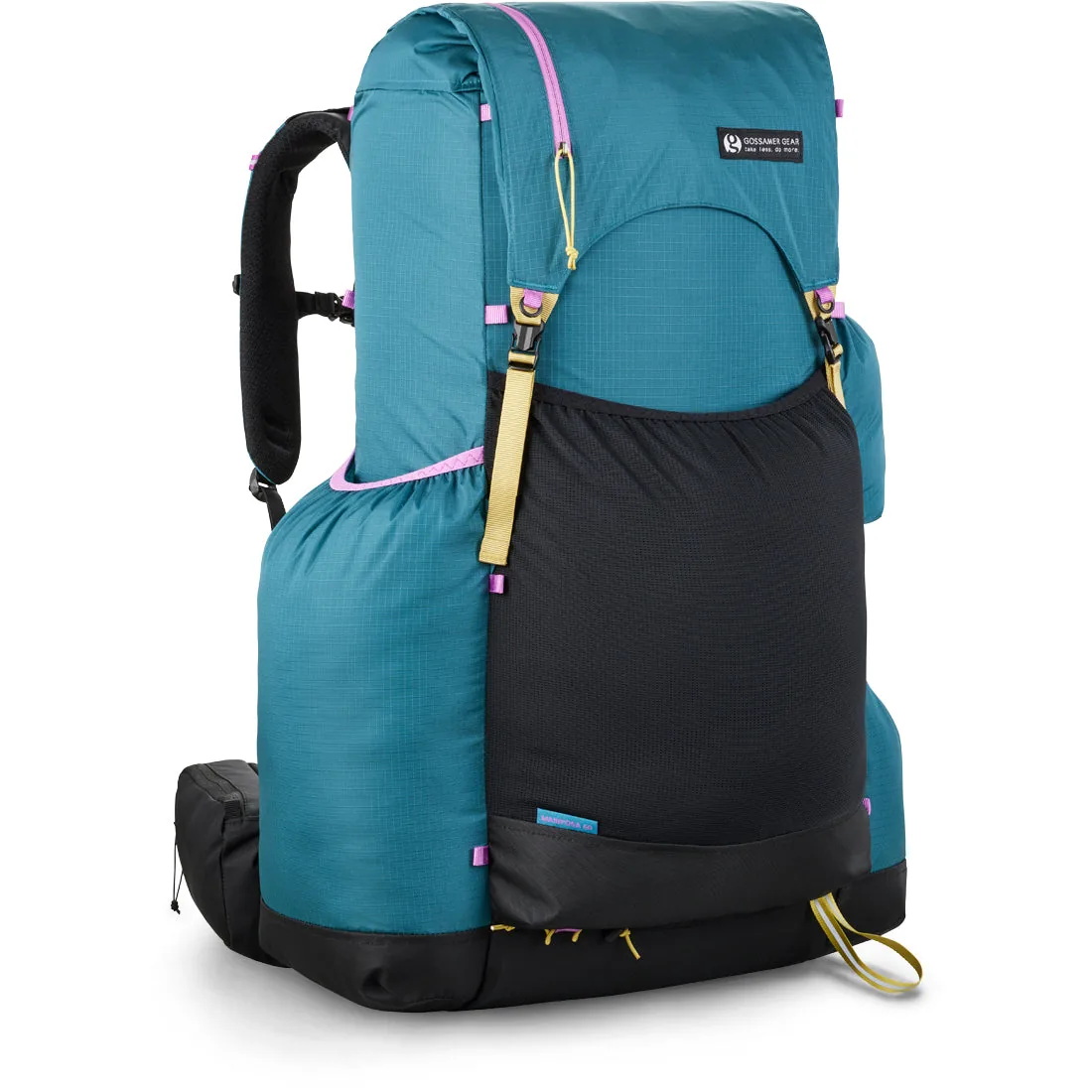
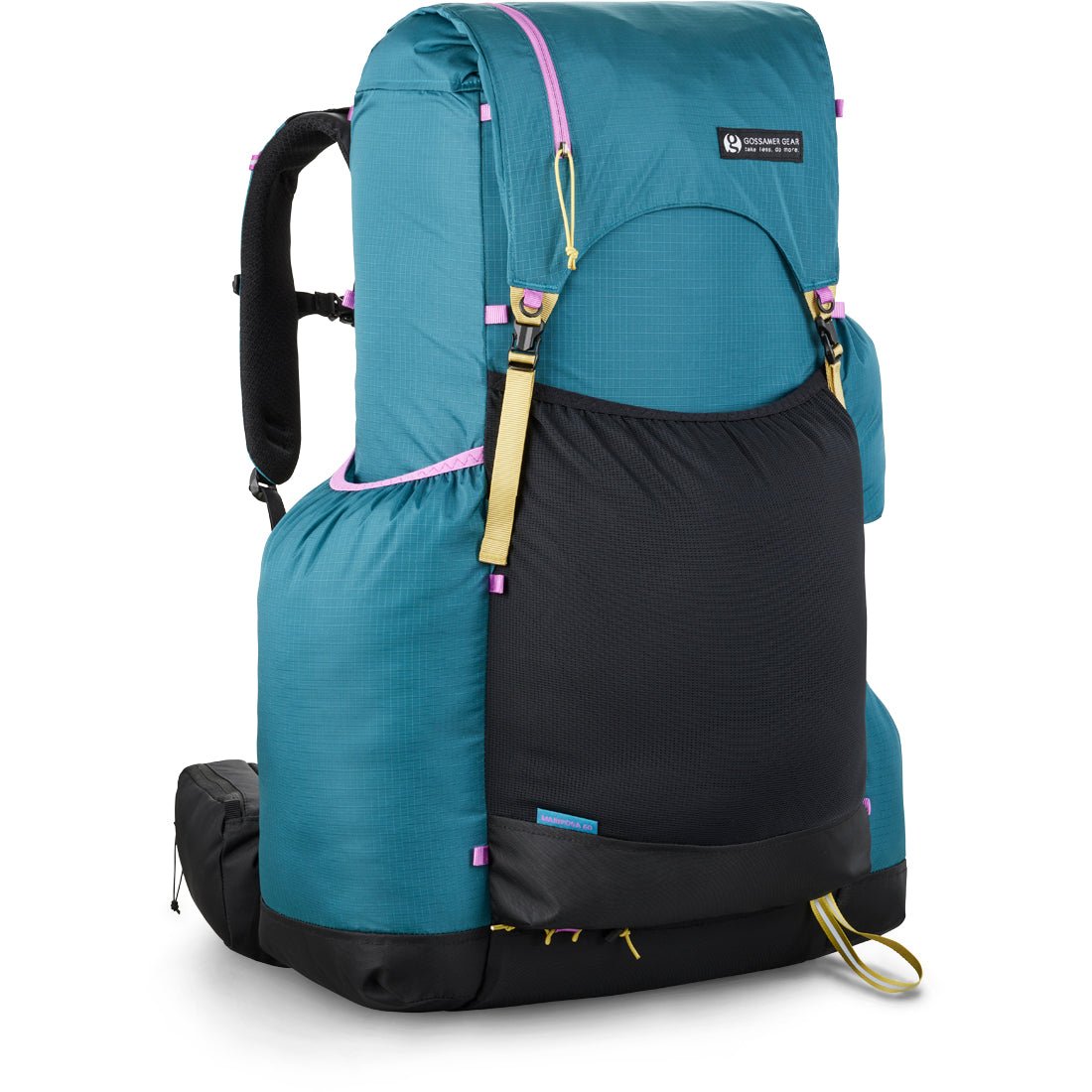
  • Mariposa 60 Backpack
  • Mirage 40 Ultralight Backpack
  • Skala 38 Ultralight Backpack

Classic and Fastpacking Frames

The G4 line represents some of the brand's longest-running pack designs, while the fastpack models adapt the same minimalist frame logic to running-oriented load carrying and quicker on-trail movement.

  • G4-20 Ultralight Backpack – Large – Tropical Mist
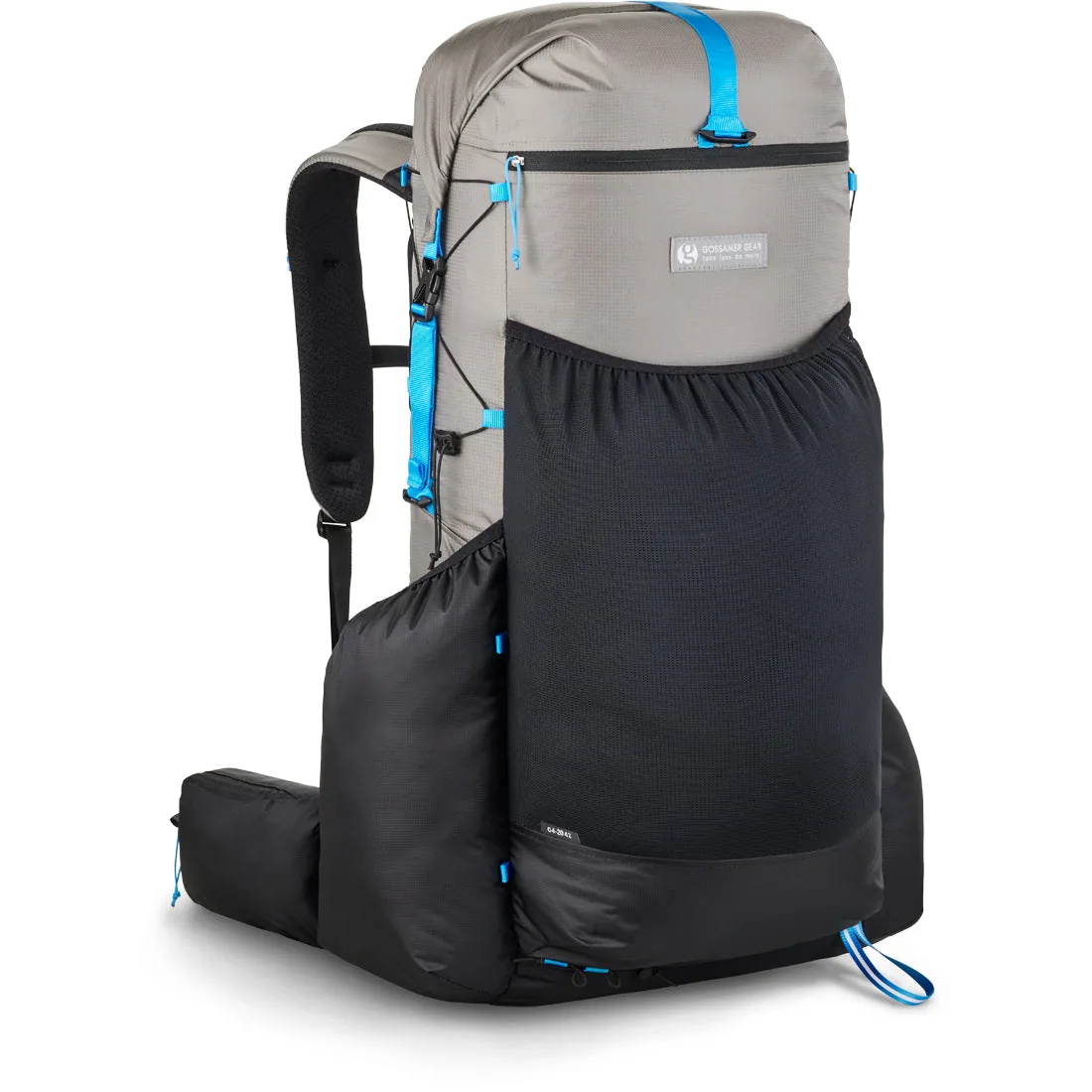
  • G4-20 Ultralight 42 Backpack
  • Grit 28 Fastpack
  • Fast Kumo 36 Fastpack

Daypacks and Slings

Smaller-volume packs for day hikes, summit pushes from a basecamp, or as an in-town companion carried alongside a larger expedition load. This family covers the widest range of use cases outside overnight backpacking.

  • Vetta Daypack
  • Elixir 20 Ultralight Daypack
  • Cima 15 Daypack
  • Loris 25 Daypack
  • Loris – Yellow
  • Minimalist 19 Daypack
  • Minimalist 19 – Yellow
  • Piku Sling

Shelter and Sleep Systems

The brand's foray beyond packs into full-trip gear, including a trekking-pole shelter and a sleeping bag developed in partnership with a specialist down manufacturer.

  • Twinn Tarp
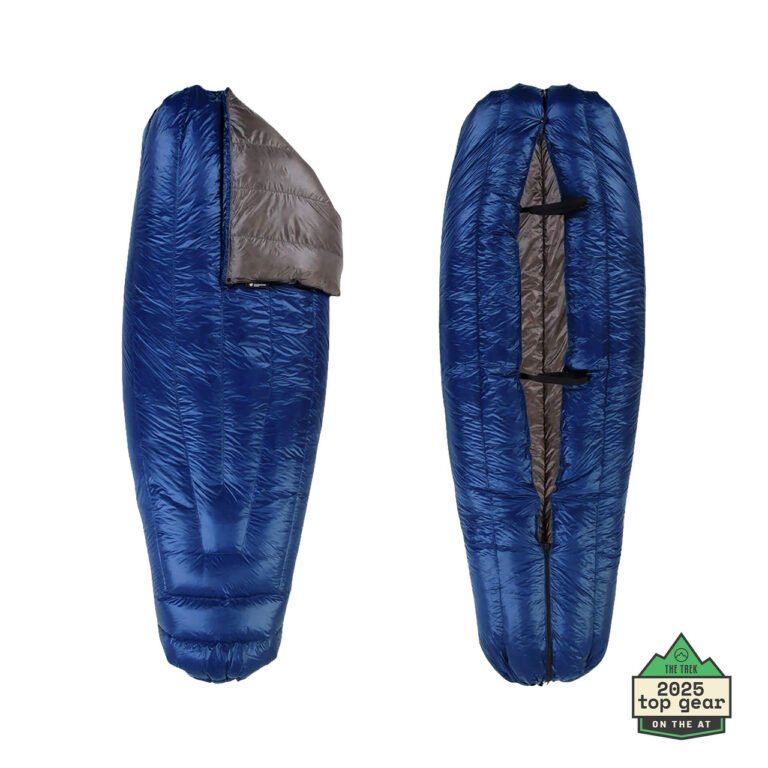
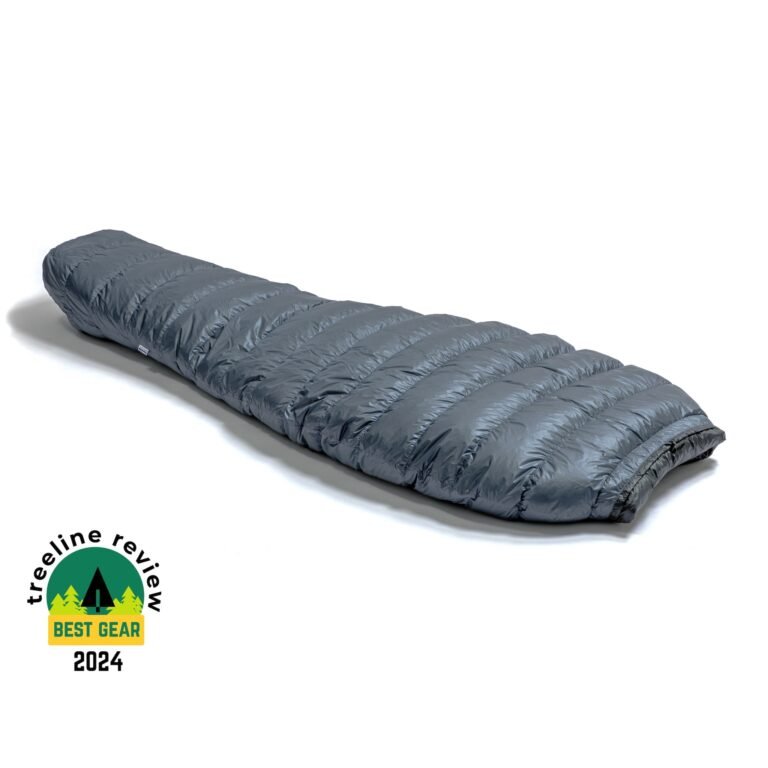
  • Cumulus x Gossamer Gear Aerial 330 Sleeping Bag

Organization and Packing Accessories

Liners, cubes, and dry-storage solutions meant to work inside any of the brand's packs, addressing the reality that ultralight packs frequently skip waterproof coatings and rely on interior liners instead.

  • Clear Waterproof Pack Liners
  • Compression Cubes
  • Clear Cubes
  • Shoe Cube
  • Jet Cube

Duffels, Travel, and Trail Accessories

A catch-all family covering travel duffels, hip and shoulder bags, hygiene products, and small trail-life essentials that round out the brand beyond its pack-centric reputation.

  • Vanish 38 Duffel
  • RikSak
  • Aero Jet
  • Vagabond Jet
  • Bumster
  • Bumster Jet
  • Bumster – Yellow
  • The Free
  • Dirty
  • The DCF Whisper
  • The Two
  • The One
  • Joshua Tree Hiker's Salve
  • Kula Cloth
  • Zipper Cleaner and Lube
  • Nitecore NU20 Classic Ultralight Headlamp
  • Toaks Titanium V-shaped Peg
  • Gossamer Gear T-Shirts

Standout products

Gossamer Gear Vetta Daypack

Gossamer Gear Vetta Daypack
15 oz$140
Weight
15 oz
Capacity
20L
Price
$140
Material
Best for Thru-hikers wanting the brand's most balanced load-to-weight ratio for multi-week trips
Pros
  • Removable frame and dense foam pad system carries heavier loads than the pack's weight class suggests
  • Large mesh front and side pockets keep wet or frequently used items outside the main compartment
  • Roll-top closure and simple silhouette shed unnecessary weight and failure points
Cons
  • Mesh pockets are more prone to snags and tears than solid fabric on off-trail routes
  • Minimal internal structure means heavier loads require careful packing technique to ride comfortably

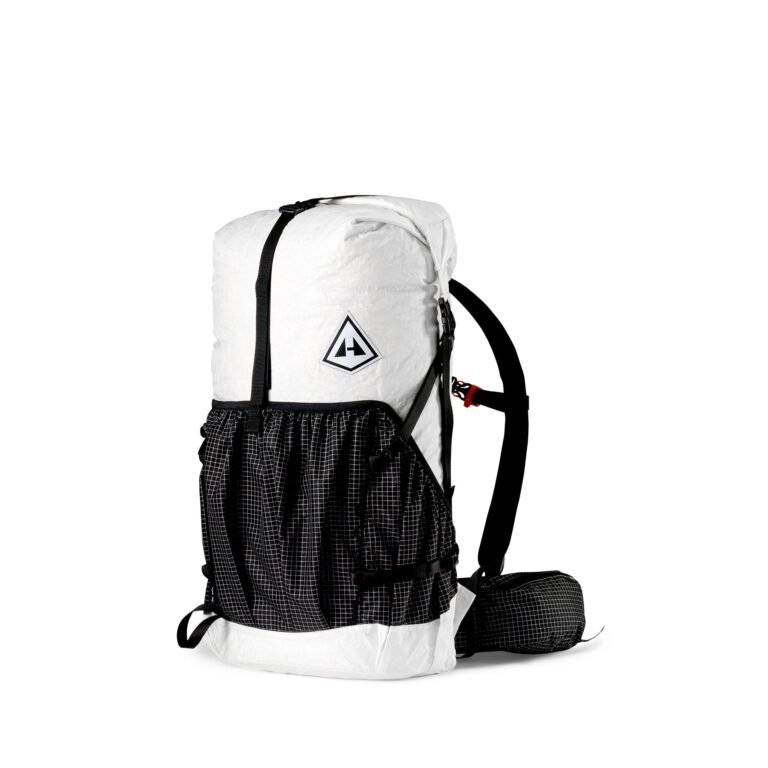
The Gorilla 50 sits at the center of the brand's identity as a pack built for hikers who have already trimmed their base weight but still want a genuine framed carry for week-plus resupply stretches. Its single removable stay paired with the brand's dense foam back pad gives it more load-bearing capacity than its weight class implies, a longstanding hallmark of the design across its multiple release generations. The exterior mesh pocket configuration, covering front, sides, and hip belt, reflects the brand's consistent preference for fast-access external storage over sealed compartments. It remains one of the most recognizable silhouettes in the ultralight pack world specifically because the brand has iterated on this same core formula for years rather than chasing feature creep.

Check price →

Gossamer Gear Clear Waterproof Pack Liners

Gossamer Gear Clear Waterproof Pack Liners
3 oz$7.50
Weight
3 oz
Capacity
Price
$7.50
Material
Best for Weight-obsessed hikers on established trails who prioritize minimum pack weight above durability margin
Pros
  • Among the lightest 36-liter packs the brand produces, ideal for sub-10-pound base weights
  • Frameless design eliminates stay weight entirely for hikers who do not need structured support
  • Sized appropriately for warm-weather, shorter-duration resupply intervals
Cons
  • No frame means heavier loads or poor packing will sag and shift on the hips
  • Less padding than framed siblings makes long carries with heavier food loads less comfortable

The Kumo 36 Superlight Backpack pushes the brand's minimalist philosophy about as far as it goes in a genuinely load-bearing pack, trading the removable stay found in framed models for a fully frameless build that relies on careful packing and a lighter overall carry. It suits hikers running a base weight light enough that the pack itself rarely needs to carry more than 20 to 25 pounds fully loaded with food and water, at which point a frame becomes marginal rather than essential. Its capacity and mesh pocket layout mirror the brand's broader family design language, so hikers moving between models retain a familiar interface. This is a pack for someone who has already made every other gear decision in service of minimum weight and wants their pack to reflect that same discipline rather than hedge with extra structure they may not use.

Check price →

Gossamer Gear Gorilla 50 Ultralight Backpack – Yellow

Gossamer Gear Gorilla 50 Ultralight Backpack - Yellow
33 oz$206.25
Weight
33 oz
Capacity
50 L
Price
$206.25
Material
Best for Hikers wanting a trekking-pole shelter that pairs minimal weight with a genuinely weatherproof pitch
Pros
  • Uses trekking poles already carried for support, eliminating dedicated tent pole weight entirely
  • Compact packed size frees volume in already-small ultralight packs
  • Simple two-pole pitch reduces setup time and moving parts compared to more complex shelter geometries
Cons
  • Requires two trekking poles of consistent length, unusable for hikers carrying only one pole or none
  • Single-wall construction is more prone to interior condensation in humid or still conditions

The Twinn Tarp exemplifies the brand's cross-category design logic, treating trekking poles as multi-purpose equipment rather than single-use hiking aids. By building the shelter's structure entirely around poles the hiker is already carrying for trail support, the brand eliminates a meaningful chunk of dedicated shelter weight that other tent designs simply cannot avoid. Its packed volume is small enough to disappear into a pack's side pocket, freeing main-compartment space for food and layers on longer carries. The tradeoff is the same one every trekking-pole shelter makes: it demands the hiker actually be using two poles of the correct length, and it lacks the built-in bug protection and structural rigidity of a fully freestanding tent, a compromise the brand accepts in exchange for the weight savings.

Check price →

Gossamer Gear Kumo 36 Backpack – Yellow

Gossamer Gear Kumo 36 Backpack - Yellow
21 oz$135
Weight
21 oz
Capacity
36 L
Price
$135
Material
Robic nylon
Best for Hikers wanting a sub-freezing-capable sleeping bag without the weight penalty of synthetic fill
Pros
  • Developed in partnership with a specialist European down manufacturer for high fill-power loft
  • Roughly 330-gram fill class puts it in a genuinely three-season to shoulder-season weight bracket
  • Reflects the brand's willingness to partner outside its own manufacturing when a specialist's expertise improves the final product
Cons
  • Down fill loses loft and insulating capacity when wet, requiring more careful moisture management than synthetic alternatives
  • Not a true winter-rated bag, so cold-weather thru-hikers pushing into freezing overnight temperatures will need supplemental insulation

The Cumulus x Gossamer Gear Aerial 330 Sleeping Bag represents the brand's most direct extension into full sleep-system territory, built in collaboration with a dedicated down specialist rather than developed entirely in-house. The partnership lets the brand offer a fill-power and baffle construction quality that matches dedicated sleeping bag manufacturers, rather than treating the bag as a secondary product line. Its fill weight class positions it as a three-season option suited to the temperature ranges most long-distance hikers actually encounter on trail, rather than chasing the marketing appeal of a heavier, colder-rated bag most users would carry unnecessary weight for. The collaboration underscores a broader pattern in the brand's newer catalogue additions, expanding into full-trip gear categories through targeted partnerships rather than trying to internally replicate every specialist's manufacturing expertise.

Check price →

Strengths and weaknesses

Pros
  • Two decades of sustained focus on frameless and minimal-frame pack design gives the flagship packs a maturity and iterative refinement rarely matched by newer entrants to the category
  • Domestic manufacturing for core technical packs allows tighter quality control and faster design iteration than fully overseas-sourced competitors
  • Genuinely broad capacity range within the pack lineup, from small daypacks and slings through 60-liter expedition packs, all sharing a consistent design language
  • Willingness to partner with outside specialists, as with the Cumulus collaboration, rather than forcing every product into an in-house manufacturing process ill-suited to it
  • Accessory and organization lineup, including liners and packing cubes, directly addresses the practical gaps left by ultralight pack construction rather than treating accessories as an afterthought
Cons
  • Heavy reliance on mesh pocket construction across nearly the entire pack catalogue introduces a consistent durability weak point for off-trail or bushwhacking use
  • Frameless and minimal-frame models require real packing discipline and a genuinely light overall kit to carry comfortably, which can frustrate hikers transitioning from traditional backpacks
  • Roll-top and non-waterproof-coated main compartments on many packs mean a liner is effectively mandatory rather than optional in wet climates, adding both cost and a step to the packing routine
  • Product line spans so many sub-categories, packs, shelters, sleep systems, hygiene, and apparel, that some non-pack categories inevitably receive less design attention than the core backpack lineup

Who should buy this brand

Gossamer Gear suits experienced long-distance hikers who have already worked their base weight down and want a pack, shelter, or sleep system engineered specifically for that lighter load rather than a general-purpose piece of gear stretched thin. It is a strong fit for thru-hikers on established, well-marked trails where the mesh-heavy, minimal-frame construction is less likely to meet the abrasion and bushwhacking demands of true off-trail travel. Hikers who want a single ecosystem covering pack, shelter, sleep system, and trail hygiene in one catalogue will find that breadth genuinely useful rather than superficial. It is a less natural fit for beginners still carrying traditional gear weights, since the frameless and minimal-frame packs specifically reward, and require, a disciplined light kit to perform as intended.

The bottom line

Gossamer Gear has spent roughly two decades refining a specific, coherent idea, that a backpack should weigh only as much as the frame and materials strictly require, and that philosophy shows in packs that remain genuinely competitive in their weight class years after their original release. The catalogue's expansion into shelters, sleep systems, and trail accessories extends that same logic credibly rather than opportunistically, particularly where the brand has partnered with outside specialists instead of overreaching. The tradeoffs, mesh durability, minimal structure, and liner-dependent water resistance, are consistent and disclosed rather than hidden, making this a brand best suited to hikers who understand exactly what they are trading for the weight savings.

Related guides

Keep building your system with these closely related guides.

Further reading

Authoritative sources to go deeper on the topics above.

Similar Posts

Leave a Reply

Your email address will not be published. Required fields are marked *