Zpacks Review: The Complete Brand Guide
The brand and its roots
Zpacks was founded in the mid-2000s by Joe Valesko, who began sewing his own ultralight backpacking gear out of Dyneema Composite Fabric (formerly known as cuben fiber) as a way to shave weight from his own thru-hiking kit. What started as a one-person cottage operation making gear for a small circle of long-distance hikers grew steadily as word spread through the thru-hiking community, particularly among Appalachian Trail, Pacific Crest Trail, and Continental Divide Trail hikers looking to cut base weight without abandoning durability. The brand's early reputation was built almost entirely on this direct connection to the trail community, with Valesko himself testing early prototypes on long trails before offering them to the public.
Zpacks is headquartered in Melbourne, Florida, where the company operates its own manufacturing facility rather than outsourcing production overseas. Sewing, fabric cutting, and assembly for the large majority of its product line take place in-house at this Florida facility, a choice the brand has maintained even as it scaled from a garage operation into one of the best-known names in ultralight backpacking. This domestic, in-house manufacturing model has remained a defining part of the company's identity as it expanded from a narrow lineup of cuben fiber tarps and backpacks into a full catalogue spanning shelters, packs, quilts, apparel, and accessories.
Materials and design
Zpacks built its reputation on Dyneema Composite Fabric, a non-woven laminate material constructed from a grid of ultra-high-molecular-weight polyethylene fibers sandwiched between layers of polyester film. This material is prized in ultralight circles for its extremely high strength-to-weight ratio, its total resistance to water absorption, and its dimensional stability, meaning it does not stretch or sag the way traditional woven nylon does when wet. Zpacks uses Dyneema Composite Fabric extensively across its tents, tarps, backpacks, and stuff sacks, and the material's translucent, papery appearance is one of the most recognizable visual signatures in the ultralight gear world.
Beyond Dyneema, Zpacks has developed its own branded fleece platform called Octa, a highly breathable, fast-drying insulating fabric used across a family of camp and hiking apparel. Octa is engineered with a grid or gap construction that traps warm air while allowing excess heat and moisture to escape, making it suited to high-output activity as well as static camp wear. The brand also works with robilene and other technical wovens for its rain shells and wind layers, and uses 900-fill or comparable premium down in its insulated jackets, quilts, and accessories, paired with tightly woven downproof shell fabrics to keep loft high and pack size low.
Zpacks' overall design philosophy centers on minimalism achieved through material choice rather than through stripped-down features. Rather than simply removing components to save weight, the brand tends to re-engineer each component in a lighter material, whether that means a frameless or minimally-framed backpack built from Dyneema hybrid fabrics, a single-wall shelter that eliminates the weight of a separate rainfly, or a quilt that replaces a full sleeping bag's zippers and hood with a lighter open-back design. Seam construction on the shelters and packs typically favors taped or bonded seams on Dyneema pieces to preserve the fabric's waterproofness, since traditional stitching alone would puncture the laminate and compromise its seal.
This same philosophy carries into the brand's growing apparel and cook-and-carry accessory lines. Hiking pants, shorts, and joggers are cut for trail movement and built from quick-drying technical fabrics rather than heavier cotton-blend outdoor wear, while the rain kilt and wind shell prioritize packability and low weight over the fuller coverage of a traditional rain jacket. Even in accessories like cook pots, cups, and camp pillows, the guiding principle is consistent: every gram is evaluated against its function, and features that do not earn their weight are left out.
The catalogue
Shelters
Zpacks' shelter lineup spans single-wall Dyneema tents from solo to four-person capacity, alongside flat and camp tarps for hikers who want minimal, floorless coverage. This is the family the brand is most closely associated with, and it spans multiple tiers within each capacity, from Classic to Pro construction.
- Plex Solo Pro Tent
- Altaplex Pro Tent
- Duplex Classic Tent
- Pivot Trio Tent
- Triplex Pro Tent
- Duplex Pro Tent
- Pivot Duo Tent
- Pivot Solo Tent
- Big Ass Camp Tarp – 10' x 13'
- Duplex Lite Tent
- 7' x 9' Flat Tarp
- Altaplex Classic Tent
- 8.5' x 10' Flat Tarp
- Hexamid Tent
Backpacks
The backpack family covers arc-frame and frameless designs built primarily from Dyneema hybrid fabrics, including dedicated women's fit versions of several models. These packs range from streamlined ultralight haulers to higher-capacity options for longer trips or bikepacking.
- Nero Classic Backpack
- Nero Pro Backpack
- Women's Arc Zip Ultra Backpack
- Women's Arc Haul Ultra Backpack
- Arc Zip Ultra Backpack
- Arc Haul Ultra Backpack
- Super Nero Ultra Backpack
- Bagger Ultra Backpack
Apparel
Zpacks' apparel line has grown well beyond its shelter and pack origins to include hiking pants, shorts, joggers, sun hoodies, fleece layers built from the brand's Octa fabric, and shell jackets for wind and rain protection.
- Zpacks Travel & Trail Hiking Pants
- Zpacks Travel & Trail Convertible Hiking Pants
- Zpacks Octa Camp Pants
- Zpacks Octa Fleece Thermal Bottoms
- Zpacks Ventum Wind Shell Jacket
- Women's Octa Fleece Hoody
- Zpacks Octa Fleece Hoody
- Zpacks Trail Cool Joggers
- Women's Mirage Merino Sun Hoody
- Zpacks Octa Fleece Camp Pants
- Zpacks Trail Cool Hiking Shorts
- Men's Vertice Rain Jacket
- The Mirage Merino Sun Hoody
- Vertice Rain Kilt
- DCF Rain Kilt
Sleep systems
This family covers Zpacks' quilts and sleeping bags, spanning temperature ratings from summer-weight to deep winter, along with down accessories that extend a sleep system's warmth range at camp.
- (-7C) Twin Quilt
- Solo Quilt
- Classic Sleeping Bag
- Mummy Sleeping Bag
- Summer Quilt
- Zip Around Sleeping Bag
- Zpacks Down Hood
- Zpacks Down Booties
- Zpacks Down Jacket
Camp accessories and cookware
Rounding out the catalogue is a set of camp comforts and cook gear, some designed in-house and others sourced from established cookware makers and offered as Zpacks-curated kits paired with the brand's own accessories.
- Zpacks Ultralight Camp Shoes
- Sawyer Squeeze Filter w
- Ultralight Sunglasses Case w
- Adotec Grizzly Bear Resistant Bag –
- Toaks 1300ml Pot w
- Toaks 900ml Wide D130 Pot w
- Comfy Camp Pillow
- Mini Hair Brush w
- Evernew Titanium UL 570ml Cup
- Evernew Titanium UL 400ml Cup
- Toaks Light 700ml Pot w
- Toaks Light 650ml Cup w
- Color Bands for Dry Bags (6 Pack)
- Bikepacking Collection
Standout products
Zpacks Plex Solo Pro

- Single-wall Dyneema construction keeps packed weight low
- Fully enclosed design offers more weather protection than an open-ended shelter
- Pro-tier build uses lighter or upgraded materials over the standard version
- Single-wall condensation management requires attentive site selection and ventilation
- Premium Dyneema construction carries a higher price than woven-fabric alternatives
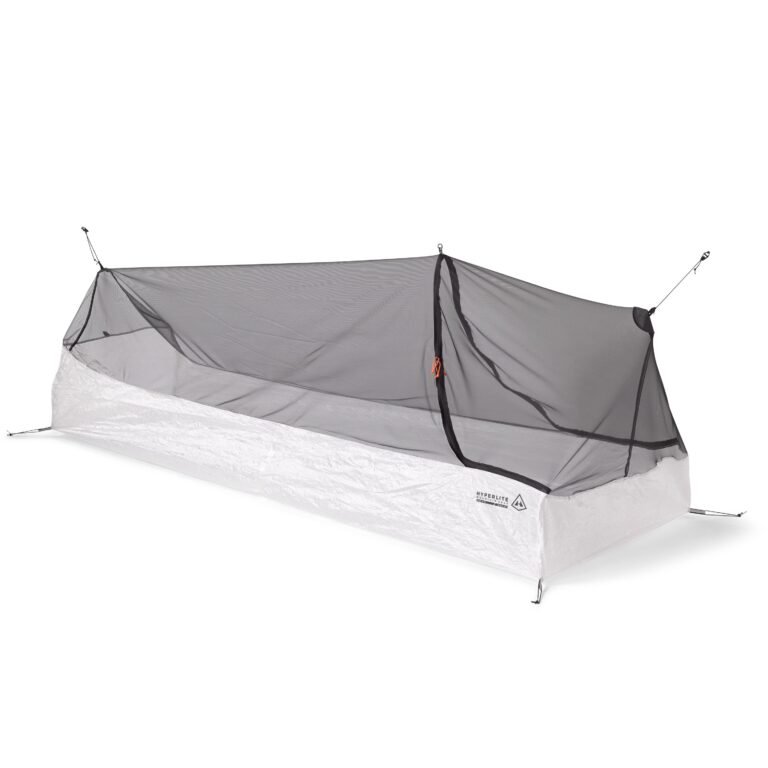
The Plex Solo Pro Tent represents Zpacks' approach to a fully enclosed single-person shelter, built around Dyneema Composite Fabric to minimize weight while maintaining a taut, storm-worthy pitch. As a Pro-tier model it reflects the brand's practice of offering an upgraded build alongside its standard shelters, typically trading some cost for further weight savings. Its enclosed geometry sets it apart from the more minimal, semi-open designs elsewhere in the shelter lineup, making it a natural fit for hikers who want solo coverage with fuller protection from wind-driven rain or insects. Setup relies on trekking poles, consistent with the rest of the Zpacks shelter family, keeping dedicated pole weight out of the pack.
Zpacks Nero Classic

- Iconic two-door, two-vestibule layout suited to solo hikers who want extra gear space or two people sharing the load
- Dyneema construction sheds weight compared to traditional tent fabrics
- Classic tier offers the lineup's standard construction at a comparatively approachable price point
- Single-wall design still requires condensation-conscious pitching
- No freestanding option, so a firm site and stakeable ground are needed
The Duplex Classic Tent is one of Zpacks' most established shelters, built on the twin-door, twin-vestibule layout that has become closely associated with the brand's approach to two-person ultralight shelters. As the Classic-tier version, it represents the brand's standard Dyneema build rather than the further-lightened Pro or Lite variants, making it a reasonable entry point into the Duplex line. The shelter uses trekking poles for support, eliminating dedicated pole weight, and its symmetrical two-entry design allows either occupant independent access without climbing over their partner. It remains a mainstay for hikers who want proven two-person coverage without chasing the absolute lowest weight in the lineup.
Zpacks Altaplex Pro

- Dyneema hybrid construction keeps pack weight low while resisting water absorption
- Arc-style frame options in the broader family help transfer load to the hips
- Streamlined feature set avoids unnecessary weight from excess pockets or straps
- Lower structure and padding than a traditional framed pack limits comfort at heavier loads
- Minimalist design means fewer organizational pockets than a conventional backpacking pack
The Arc Haul Ultra Backpack continues Zpacks' long-running Arc platform, which uses a curved frame to hold the pack's back panel away from the wearer for ventilation while transferring weight toward the hip belt. Built from the brand's Ultra hybrid Dyneema fabric, it aims to combine the abrasion resistance and shape retention of a woven face fabric with the waterproofness and low weight of a Dyneema laminate backing. It suits hikers carrying moderate loads who prioritize ventilation and low pack weight over the heavier padding and structure of a traditional framed pack. A women's-specific version of the same platform is offered for hikers who want a fit tailored to a different torso and hip geometry.
Zpacks Duplex Classic

- Octa fabric construction balances warmth with breathability during active use
- Fast-drying nature suits damp or humid trail conditions where down would lose loft
- Fleece hoody format works as a standalone layer or paired under a shell
- Less compressible than a comparable down layer for pure pack size
- Grid-style fleece construction may feel less plush than traditional brushed fleece to some wearers
The Zpacks Octa Fleece Hoody showcases the brand's move beyond shelters and packs into technical apparel, built from its proprietary Octa fabric platform. The material's gridded or gapped construction is designed to trap warm air near the body while still allowing moisture vapor to escape, which suits hikers moving at a steady pace in cold conditions rather than sitting static at camp. Unlike down, Octa retains much of its insulating capability even when damp, making it useful in wet or humid climates where a down layer's performance would suffer. A women's-specific version of the hoody is offered alongside the standard cut, extending the same fabric platform across a wider range of body types.
Strengths and weaknesses
- In-house Dyneema Composite Fabric manufacturing gives Zpacks tight control over weight, waterproofness, and construction quality across shelters and packs
- Domestic production out of its Melbourne, Florida facility keeps sewing and assembly under direct company oversight rather than distant outsourcing
- Broad tiering within shelter and pack families, such as Classic, Pro, and Lite builds, lets buyers choose their own point on the weight-versus-price curve
- Proprietary Octa fabric extends the brand's lightweight, fast-drying philosophy from shelters and packs into a genuinely differentiated apparel line
- Deep specialization in a narrow set of core materials, rather than chasing trend-driven fabrics, gives the catalogue a consistent technical identity
- Reliance on Dyneema Composite Fabric across the core lineup keeps prices well above what conventional woven-fabric gear commands
- Single-wall Dyneema shelters demand more careful site selection and ventilation habits to manage condensation than a double-wall design would
- Frameless and arc-frame packs offer less structure and load-carrying comfort at heavier pack weights than more heavily framed alternatives
- The move into apparel, cookware kits, and camp accessories has broadened the catalogue considerably, which can make navigating tiers and variants within a single product family more complex for new buyers
Who should buy this brand
Zpacks suits experienced long-distance hikers and thru-hikers who have already identified ultralight backpacking as their priority and are willing to pay for material-driven weight savings across their shelter, pack, and sleep system. It is a strong fit for hikers comfortable with trekking-pole-supported, single-wall shelters and frameless or minimally-framed packs, and who value a manufacturer that builds nearly everything in-house. Hikers who want a fully framed, heavily padded pack, a traditional double-wall tent, or budget-tier gear will find better alignment elsewhere within their own priorities. Newer backpackers still building fundamental skills such as taut pitching and condensation management may want more forgiving, freestanding gear before committing to the single-wall shelter platform.
The bottom line
Zpacks has built one of the most technically consistent catalogues in ultralight backpacking by controlling its core material, Dyneema Composite Fabric, from manufacturing through final assembly at its own Florida facility. Its shelters, packs, and now apparel and sleep systems all reflect the same underlying philosophy: shave weight through smarter materials and construction rather than by removing capability outright. For hikers who have already bought into the ultralight approach and its tradeoffs, Zpacks offers deep tiering, proven long-trail geometry, and a level of in-house manufacturing control that few brands in the space can match.
Related guides
Keep building your system with these closely related guides.