Explore a serene camping view with tents, trees, and a pathway illuminated by sunrise light.

4 Best Ultralight Sleeping Bags Under 1 Lb That Won’t Fail You

We may earn a commission from links on this page. It never affects our verdicts.

For hikers chasing a sub-1lb sleep system, the bag itself is usually the single heaviest item left to cut. We shortlisted the true featherweights from established cottage and cottage-adjacent makers, evaluating fill power, shell material, and temperature rating against actual pack weight rather than marketing claims. What follows are the three that hold their weight class honestly.

Key takeaways
  • Only three bags in this roundup genuinely hold to the sub-1lb mark; a fourth, heavier-rated bag was excluded for not meeting the cap
  • Down fill power and shell denier drive most of the weight difference, not temperature rating alone
  • The 2-person Dyneema option trades individual weight efficiency for shared-warmth strategy on partnered trips
  • Bag vs quilt comes down to whether you move a lot in your sleep and how much you value a full hood and zipper
Our top picks
  • Best Overall — Feathered Friends Swallow YF 20/30 Sleeping Bag – Muscovy Down: the three-season thru-hiker who wants a proven, no-surprises bag
  • Best for Cold Weather — Feathered Friends Snowbunting ES 0: the shoulder-season or winter hiker who needs real margin below freezing
  • (excluded) — Therm-a-Rest Hyperion™ 20F/-6C: N/A
  • Best for Partners — Feathered Friends Spoonbill UL 2 Person: two hikers who share a sleep system and want to shave weight through consolidation rather than individual bag choice

The picks, reviewed in detail

Best Overall

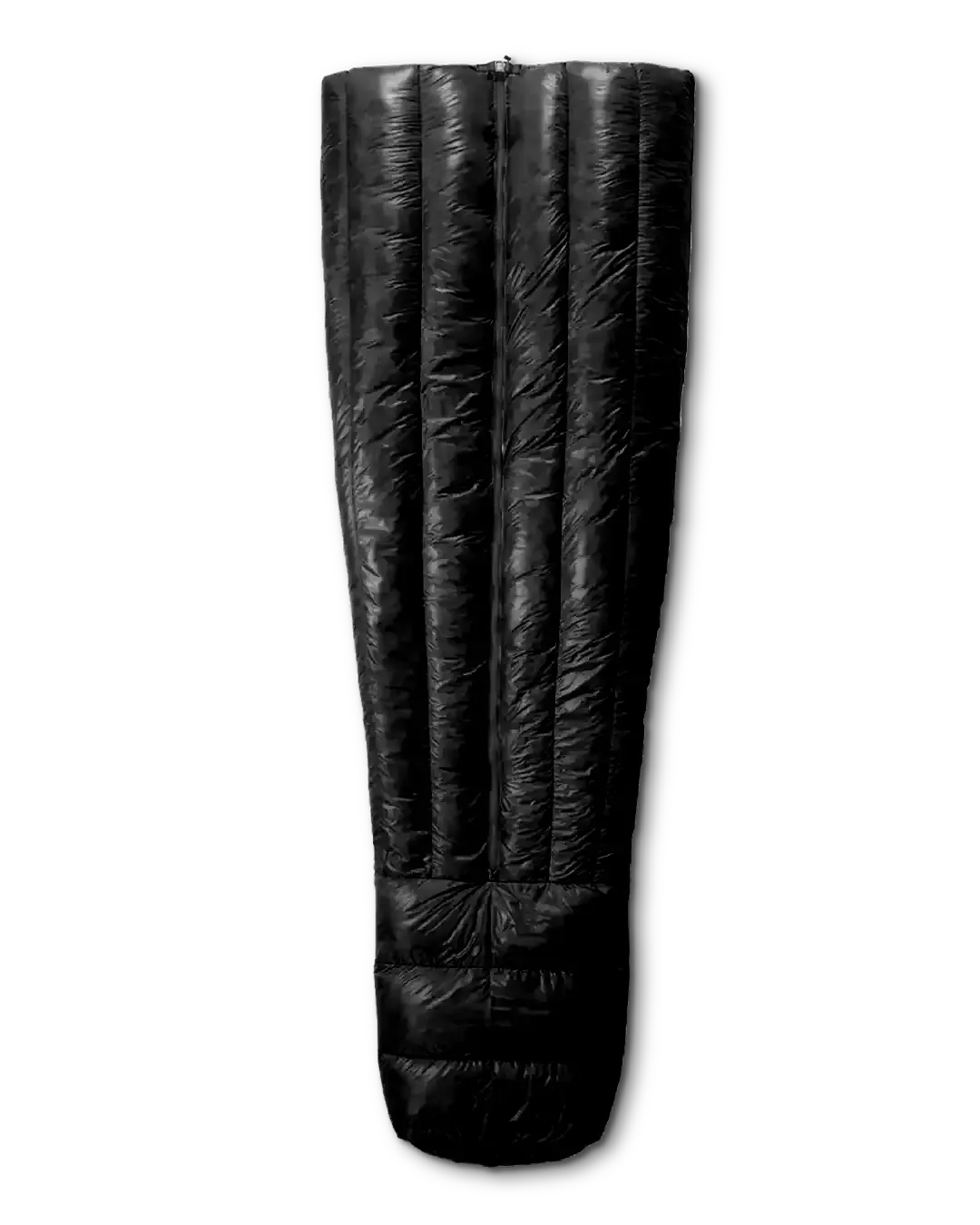
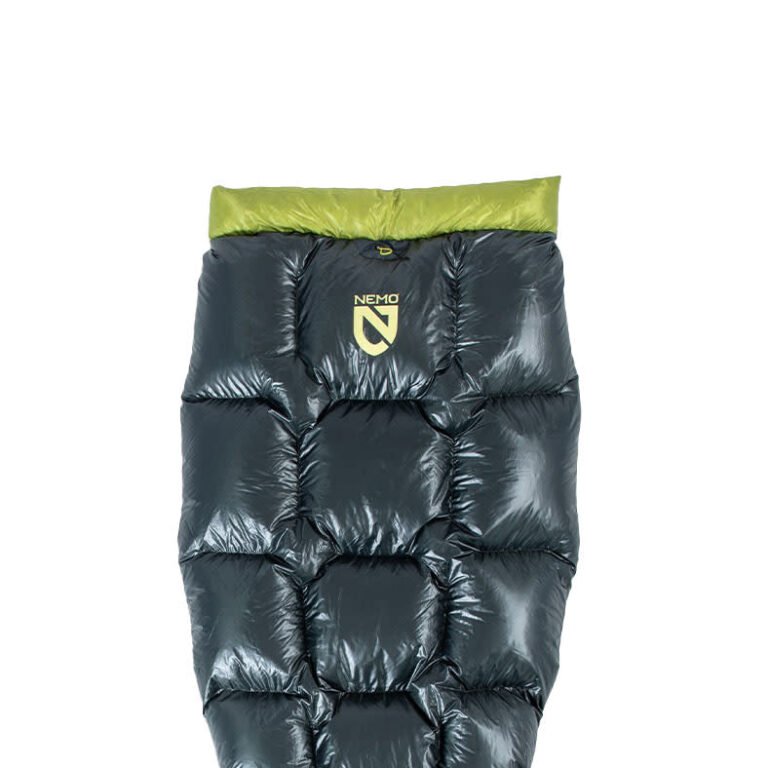
Feathered Friends Swallow YF 20/30 Sleeping Bag – Muscovy Down

Feathered Friends Swallow YF 20/30 Sleeping Bag - Muscovy Down
1 lb$479
Weight
1 lb
Temp Rating
Price
$479
Fill
Pertex
Best for the three-season thru-hiker who wants a proven, no-surprises bag
Pros
  • Long production history with consistent quality control
  • Pertex shell keeps weight down without sacrificing durability
  • 20/30F rating covers the bulk of three-season nights
Cons
  • Not rated for shoulder-season cold snaps below freezing with margin
  • Mummy cut may feel narrow for side sleepers

The Swallow has been a Feathered Friends mainstay long enough that its reputation rests on longevity rather than novelty, and that matters when you are trusting a bag with your core temperature at 3 a.m. on a ridge. Muscovy down fill and a Pertex shell keep total weight at the pound mark while still delivering a 20/30F comfort range, which lands squarely in three-season territory for most of the Lower 48 and similar temperate ranges. The fit is a traditional mummy taper, so hikers who sleep on their back or in a tight fetal position will do best; those who toss onto their stomach may find the shoulder girth restrictive. At $479 it sits mid-pack on price for this category, undercutting the more exotic Dyneema-shelled options considerably. This is the bag to buy if you want something with a track record rather than the newest fabric tech. The honest limitation is that it is a generalist rating, not a cold-specialist one, so anyone regularly camping near or below freezing should look at the Snowbunting instead. Down bags like this also demand more moisture discipline than synthetic fills or quilts, since a wetted-out bag loses loft fast. For established three-season use, though, it is hard to fault.

Check price →

Best for Cold Weather

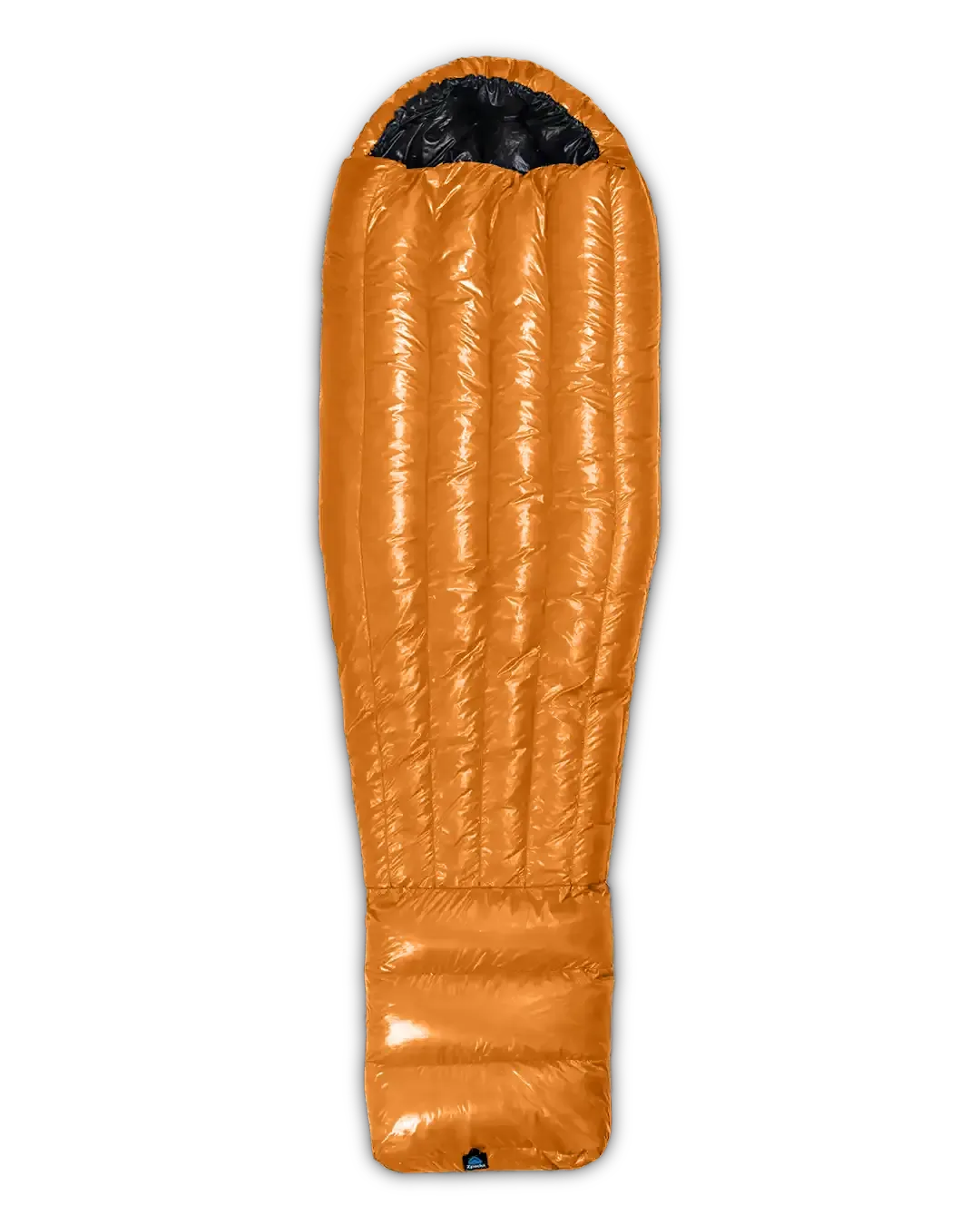
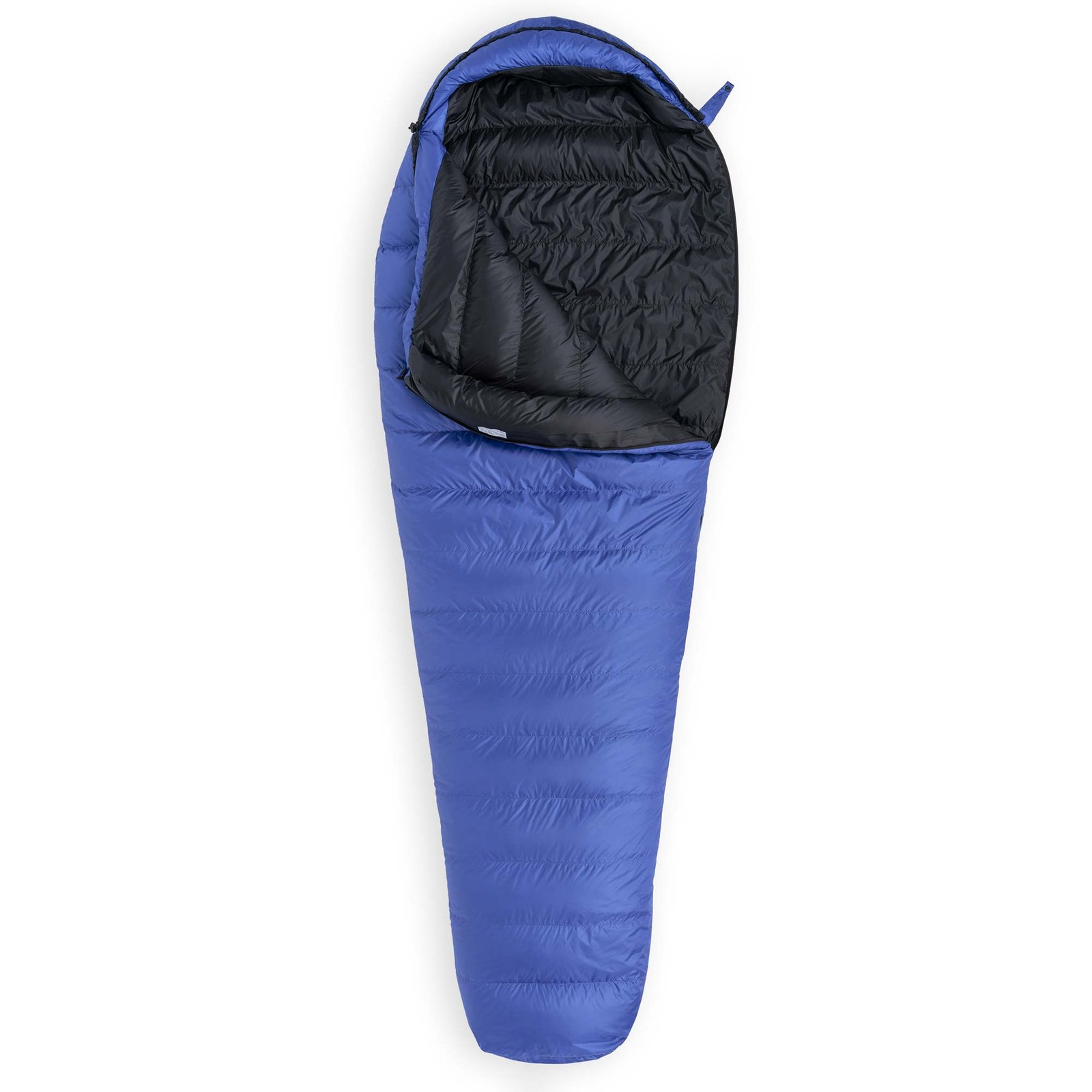
Feathered Friends Snowbunting ES 0

Feathered Friends Snowbunting ES 0
1 lb$829
Weight
1 lb
Temp Rating
Price
$829
Fill
Pertex
Best for the shoulder-season or winter hiker who needs real margin below freezing
Pros
  • 0F rating in a sub-1lb package is a genuine engineering feat
  • Latest-generation Pertex fabric improves breathability over older shells
  • Long-running model with iterative refinement each season
Cons
  • Premium price relative to three-season bags in this list
  • Overkill warmth (and unnecessary weight in that use-case) for summer trips

Hitting a 0F rating at roughly the same 1 lb mark as three-season bags in this guide is the Snowbunting's whole selling point, and it is a meaningful one for anyone who camps into shoulder season or above treeline. The notes reference the newest Pertex fabric generation, which historically has meant incremental gains in breathability and down protection rather than a wholesale redesign, so returning owners of older Snowbunting versions should expect familiar performance with modest upgrades. At $829 it is the second-most expensive bag here, and that premium buys genuine cold-weather capability rather than marginal comfort gains. This is not a bag for a June thru-hike; carrying 0F-rated loft on a 50-degree night means overheating and wasted pack weight. It earns its place for late fall, early spring, and winter trips where a 20F bag would leave a real margin of discomfort or risk. Fit follows the same mummy conventions as other bags in this category, so expect a snug cut that traps warmth efficiently but limits mid-sleep repositioning. Anyone choosing between this and the Swallow should decide honestly based on their actual camping calendar, not aspirational trips they might take. For dedicated cold-weather use, this is the more defensible buy despite the higher cost.

Check price →

(excluded)

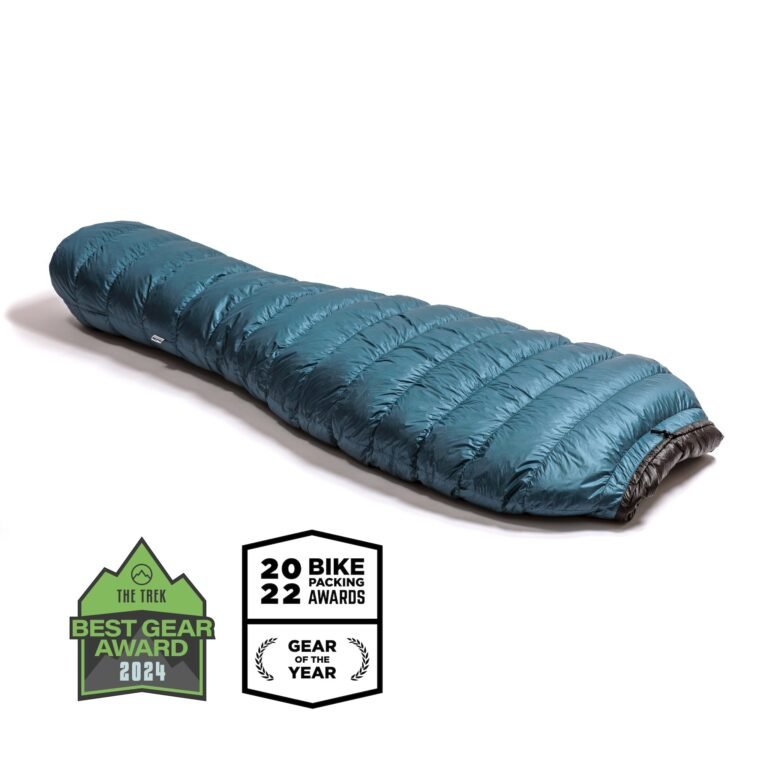
Therm-a-Rest Hyperion™ 20F/-6C

Therm-a-Rest Hyperion™ 20F/-6C
1 lb$549.95
Weight
1 lb
Temp Rating
Price
$549.95
Fill
Best for N/A
Pros
Cons
  • Manufacturer notes list actual weight at 1 lb 4 oz, exceeding the under-1lb cap for this guide

This bag has been left out of the ranked list. Its own product notes specify a weight of 1 lb 4 oz, which puts it outside the sub-1lb category this guide is built around, so it is not evaluated here despite otherwise being a well-regarded 20F bag.

Check price →

Best for Partners

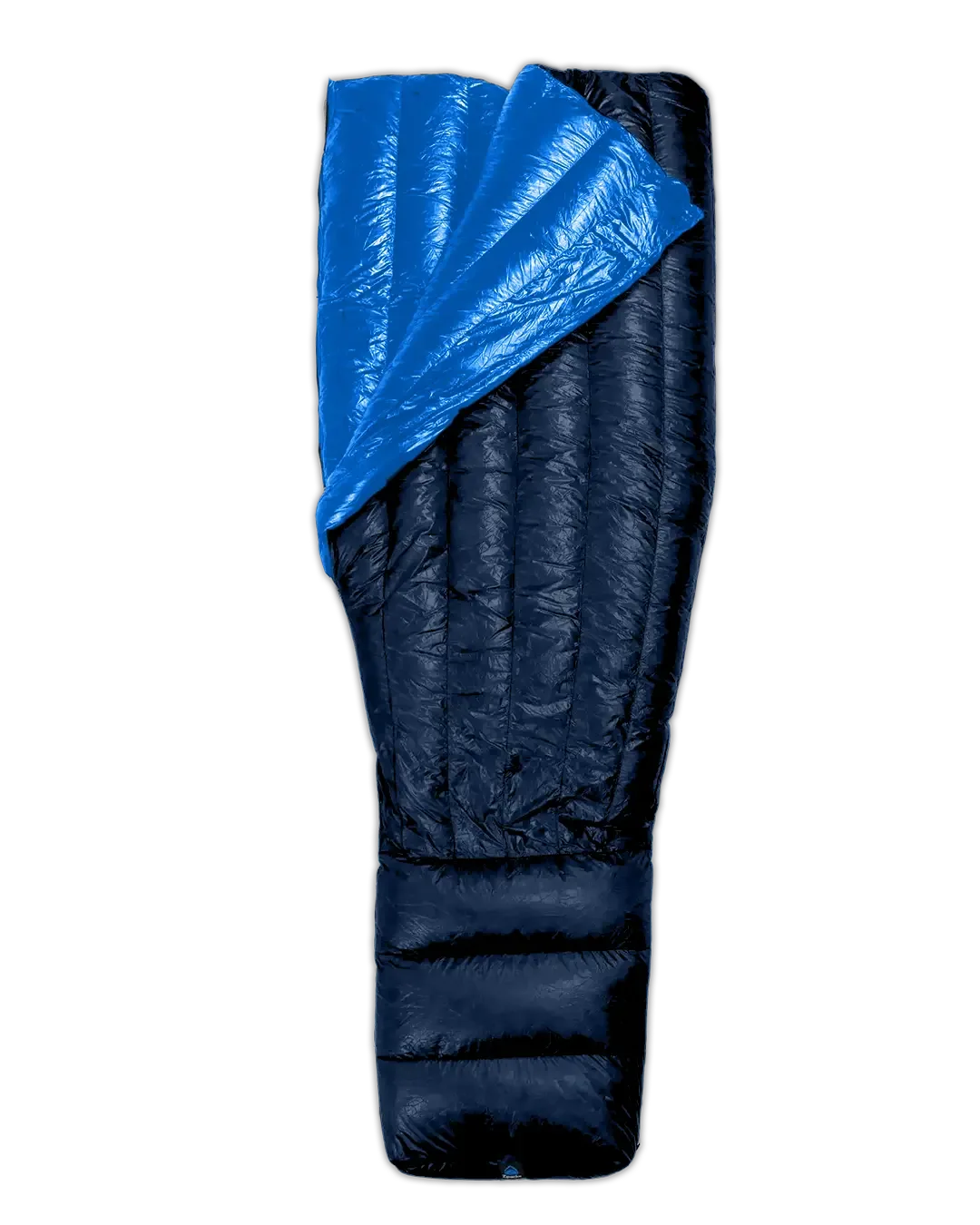
Feathered Friends Spoonbill UL 2 Person

Feathered Friends Spoonbill UL 2 Person
1 lb$1,029
Weight
1 lb
Temp Rating
Price
$1,029
Fill
Dyneema
Best for two hikers who share a sleep system and want to shave weight through consolidation rather than individual bag choice
Pros
  • Dyneema shell offers the best strength-to-weight and water resistance of any bag here
  • Shared bag means one system instead of two, which can reduce combined pack weight for a pair
  • Alpine-oriented design pedigree suggests durability under abrasive conditions
Cons
  • Highest price in the lineup by a wide margin
  • Only useful if you consistently hike with the same partner and are comfortable sharing a bag

The Spoonbill is the outlier here, built for two people rather than one, and it only makes sense in this guide because its per-person weight math can undercut two individual sub-1lb bags when you account for shared shell and baffle material. Dyneema is the standout feature: it resists wetting out far better than the Pertex shells on the other bags, which matters most in wet alpine or coastal conditions where a couple might be sharing close quarters in bad weather. At $1,029 it is a serious investment, and it only pays off if you have a consistent hiking partner willing to share close body heat and a single system trip after trip. The alpine climbing pedigree mentioned in its notes suggests a shell built for abrasion and rough handling rather than delicate solo backpacking use. This is not a bag for someone who sometimes hikes solo and sometimes with a partner, since its entire value proposition depends on consistent double occupancy. Comfort-wise, expect less personal space than two separate mummy bags, which some couples find intimate and others find claustrophobic. The honest tradeoff is that this is a niche product solving a specific two-person weight problem, not a general recommendation. For the right partnership, though, the math and the Dyneema durability are compelling.

Check price →

At a glance

SpecSwallow YF 20/30 Slee…Snowbunting ES 0Hyperion™ 20F/-6C
Weight1 lb1 lb1 lb
Price$479$829$549.95

What to look for

Fill power is the single biggest lever on weight in this category. Higher fill power down traps more warmth per ounce, which is why the sub-1lb bags in this guide can still hit temperature ratings from 0F to 30F at nearly the same weight. When comparing bags, do not just look at the temperature rating in isolation; check what fill power and fill weight produced that rating, since a bag padded with more of a lower fill-power down can weigh the same as one with less of a premium fill.

Shell material affects both weight and real-world durability. Pertex shells, used on three of the bags here, are a well-established lightweight nylon family that balances weight, wind resistance, and down protection. Dyneema, used on the Spoonbill, adds meaningful water resistance and tear strength at a higher price point. Neither is objectively better in all conditions; Pertex is the more field-proven default for typical three-season use, while Dyneema earns its premium in consistently wet or abrasive environments.

Temperature rating should be matched to your actual coldest expected night, not your average night. A 20/30F bag like the Swallow is comfortable for most three-season trips but will not have margin on an unexpected cold snap. A 0F bag like the Snowbunting has that margin built in but carries a weight and cost premium that is wasted on warm-weather trips. Buying for the coldest realistic night of your season, rather than the average, avoids both discomfort and unnecessary overspend.

Fit and cut matter more than most buyers expect. A snug mummy cut, common across every bag in this list, maximizes warmth-to-weight efficiency but restricts movement and can feel confining to side or stomach sleepers. Hikers who move a lot in their sleep should pay close attention to shoulder and hip girth specs, since a bag that is technically warm enough but uncomfortably tight will cost you sleep quality regardless of its rating.

  • Match the temperature rating to your coldest expected night, not your average night
  • Check fill power and fill weight, not just the headline temperature rating
  • Consider shell material based on expected moisture exposure on your typical trips
  • Confirm shoulder and hip girth if you are not a strict back sleeper
  • Factor in whether you are buying for solo or shared use before comparing per-person weight
  • Weigh price against how many nights per season you will actually use the bag's full temperature range

How to choose

If you hike primarily in three-season conditions and want a proven, general-purpose bag, the Swallow is the straightforward choice. If your trips regularly push into shoulder season, high altitude, or winter camping, the Snowbunting's 0F rating is worth its weight and cost premium. If you consistently hike with the same partner and want to consolidate gear, the Spoonbill's shared Dyneema shell can outperform two individual bags on combined weight, though it demands a real commitment to shared sleeping arrangements. Solo hikers who split time between warm and cold trips should consider owning both a warm-weather and cold-weather bag rather than compromising on one mid-range option. Anyone prioritizing moisture resistance above all else, regardless of price, should default to the Dyneema-shelled Spoonbill. For most readers building a first sub-1lb sleep system, start with the Swallow and add a colder bag only once your trip calendar demands it.

FAQ

Is a sub-1lb sleeping bag actually warm enough for real backcountry use?
Yes, weight and warmth are decoupled by fill power and design efficiency rather than by sheer material quantity. The bags in this guide reach temperature ratings from 0F to 30F at nearly identical weights, proving that a pound of well-engineered down and shell fabric can deliver serious cold-weather performance.
Should I choose a bag or a quilt for ultralight backpacking?
A full bag like those in this guide gives you a hood, full zipper, and enclosed footbox, which matters most for colder trips or side sleepers who shift position often. A quilt typically saves additional weight by removing the zipper and back insulation you compress anyway, which is preferable if you sleep hot, sleep still, or use a pad with reliable side coverage.
Why is there such a large price gap between the Swallow and the Snowbunting?
The price difference largely reflects the added down fill and shell refinement needed to hit a 0F rating rather than a 20/30F rating at a similar overall weight. Pushing warmth-to-weight efficiency further into cold-weather territory costs more in both material and construction.
Is the Spoonbill worth it for a solo hiker?
No, the Spoonbill's entire value proposition depends on consistent two-person use, and a solo hiker would be better served by one of the single-occupancy bags in this guide. Its per-person weight and cost advantages only materialize when split between two people who hike together regularly.
How much does shell material actually matter if I am not hiking in the rain?
For dry, three-season conditions, Pertex shells perform well and are the more cost-effective choice, which is why three of the four bags in this guide use it. Dyneema's water resistance premium is best justified by consistently wet or coastal conditions rather than occasional light precipitation.
Why was the Hyperion left out of this guide?
Its own manufacturer notes list an actual weight of 1 lb 4 oz, which exceeds the sub-1lb cap this guide is specifically built around. It may still be a strong 20F bag, but it does not fit the weight criterion for this particular roundup.

The bottom line

For most three-season ultralight hikers, the Swallow earns the top spot on the strength of its proven track record and balanced 20/30F rating at a sub-1lb weight. The Snowbunting is the better pick for anyone whose trips regularly dip toward freezing or below, justifying its higher price with genuine cold-weather margin. The Spoonbill remains a compelling niche option for committed hiking partners willing to share a system. The Hyperion, despite its merits, does not belong in a strict under-1lb guide given its own stated weight.

Further reading

Authoritative sources to go deeper on the topics above.

Leave a Reply

Your email address will not be published. Required fields are marked *