Teva Hurricane XLT2 vs Chaco Z/Cloud: Which Sandal Wins
The Hurricane XLT2 and Z/Cloud sit at the top of the outdoor sport-sandal category, and they get cross-shopped constantly because they represent two different philosophies: Teva's lightweight, minimalist strap system versus Chaco's structured, footbed-forward comfort approach. Both are built for trail, water, and travel use, but they diverge sharply on weight, cushioning philosophy, and price. This comparison breaks down where each pulls ahead based on published specs and known construction differences.
The verdict up front
For most hikers prioritizing pack weight and all-day versatility, the Hurricane XLT2 is the stronger pick: it is roughly 10 ounces lighter per pair and costs $20 less. The Z/Cloud pulls ahead for hikers who want more structured underfoot cushioning and are willing to carry and pay more for it. Budget-conscious minimalists and thru-hikers should lean Teva; anyone prioritizing plush comfort over camp shoes or short approaches should lean Chaco. The gap is not close on weight or price, which makes this a use-case decision more than a quality one.
| Spec | Hurricane XLT2 Sandal | Z/Cloud Sandal |
|---|---|---|
| Weight | 1 lb 4 oz (pair) | 1 lb 14 oz (pair) |
| Price | $70 | $90 |
| Material | Recycled polyester webbing, EVA-foam midsole, rubber outsole | Polyester jacquard webbing, LUVSEAT PU footbed, ChacoGrip rubber |
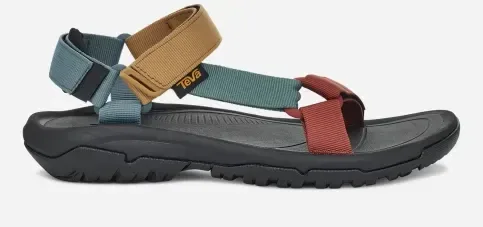
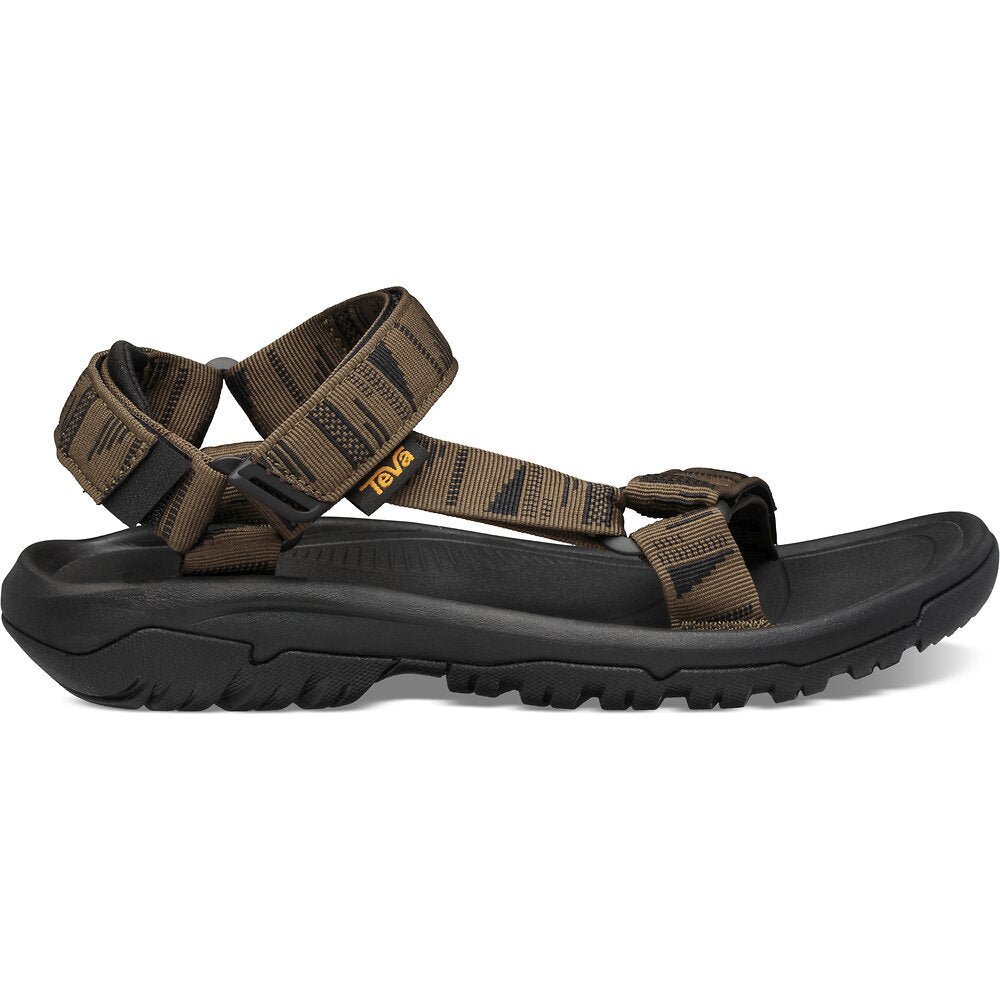
Teva Hurricane XLT2 Sandal

- Lightest option in this comparison at 1 lb 4 oz per pair
- Lowest price point at $70
- Recycled polyester webbing reduces environmental footprint without sacrificing strap durability
- EVA-foam midsole offers less structured, long-term supportive cushioning than a dedicated footbed design
- Thinner overall build may feel less plush on extended standing or walking days
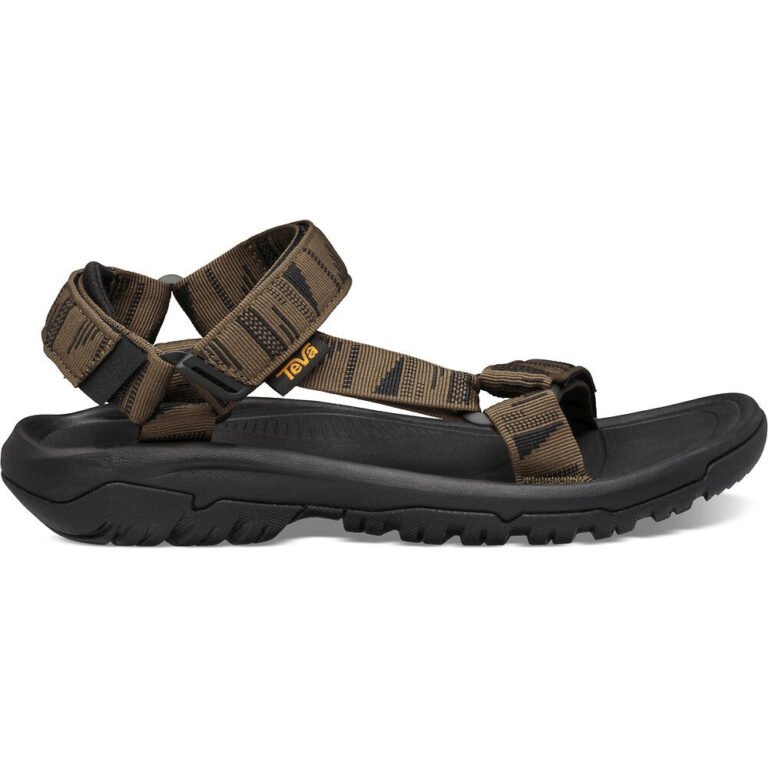
The Hurricane XLT2 is built around a quick-dry recycled polyester webbing upper paired with an EVA-foam midsole and rubber outsole, a combination aimed squarely at reducing weight without abandoning trail-worthy traction. Teva markets this as a do-everything sandal for hiking, water crossings, and travel, and the spec sheet backs that up: at 1 lb 4 oz per pair it is one of the lighter options in the category. The recycled webbing is a meaningful material choice, since polyester webbing generally resists water absorption and dries faster than nylon alternatives. EVA foam is lighter than polyurethane-based footbeds but compresses more over time and offers less rebound, a tradeoff explored further in the durability and comfort rounds.
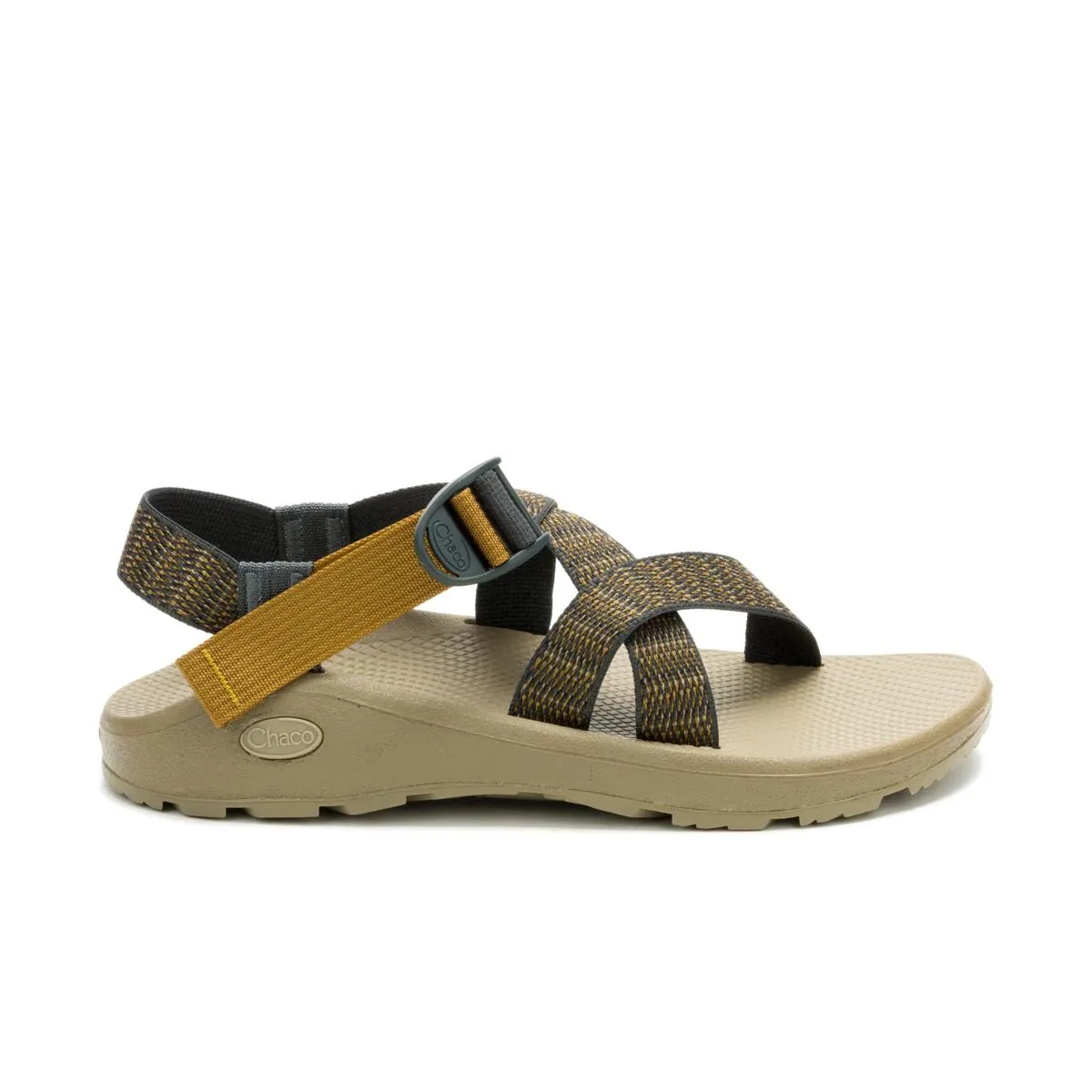
Chaco Z/Cloud Sandal
- LUVSEAT PU footbed provides more structured, higher-density cushioning than EVA foam
- ChacoGrip rubber outsole is a purpose-engineered wet-traction compound
- Polyester jacquard webbing is a more rigid, supportive strap construction
- Nearly 10 ounces heavier per pair, a real consideration for pack weight or long carries
- $20 more expensive at $90
The Z/Cloud represents Chaco's attempt to bring its signature LUVSEAT footbed technology into a lighter, more casual sandal than its traditional strappy hiking models. The polyurethane-based LUVSEAT footbed is denser and more supportive than typical EVA foam, which is why Chaco sandals are frequently recommended for people who stand or walk long distances and want structured arch support rather than a flatter foam bed. ChacoGrip is Chaco's own rubber compound, formulated specifically for wet-rock and wet-trail traction, a detail worth noting for water-crossing use. All of that structure and material comes at a real cost in weight and price, which is the central tradeoff against the Teva.
Weight and Packability
This round is not close. The Hurricane XLT2 weighs 1 lb 4 oz per pair while the Z/Cloud weighs 1 lb 14 oz, a difference of 10 ounces, which is substantial for anyone carrying camp shoes in a pack. For thru-hikers and ultralight-minded backpackers who treat every ounce as a line-item decision, that gap alone can be decisive. The Z/Cloud's added weight comes directly from its denser PU footbed and jacquard webbing, which is a deliberate tradeoff for cushioning rather than a construction inefficiency. Winner: Hurricane XLT2, by a clear margin on raw pack weight.
Frame, Suspension and Load Transfer
Neither sandal has a rigid frame in the backpack sense, but the comparable concept here is footbed structure and how each distributes standing or walking load through the foot. The Z/Cloud's LUVSEAT PU footbed is a firmer, more contoured platform designed to support the arch and heel under sustained load, which is functionally closer to a structured suspension system. The Hurricane XLT2's EVA-foam midsole is softer initially but compresses more under repeated load over time, offering less consistent support across a long day. For hikers carrying a loaded pack to camp and then wearing sandals for hours afterward, the Z/Cloud's footbed does more work. Winner: Z/Cloud, on structured support.
Comfort and Fit or Sizing
Comfort is subjective, but the material choices point to real differences. The Z/Cloud's PU footbed is denser and more contoured, which tends to feel more supportive for extended wear, while the Hurricane XLT2's EVA foam feels softer and lighter underfoot initially but with less long-term structure. Teva's webbing strap system on the XLT2 is adjustable and minimalist, which some hikers prefer for a closer, lower-profile fit, while Chaco's jacquard webbing on the Z/Cloud is a wider, more structured strap that some find locks the foot in place more securely. Neither sandal has a documented advantage in true-to-size fit consistency based on the specs provided. Winner: split decision, Z/Cloud for underfoot support, Hurricane XLT2 for a lighter, lower-profile feel.
Durability and Materials
Both sandals use webbing-and-rubber construction, but the specific materials diverge. Polyester jacquard webbing on the Z/Cloud is generally a heavier-gauge, more rigid weave than standard polyester webbing, which typically holds up better against abrasion from repeated buckle and strap adjustment. ChacoGrip rubber is a dedicated wet-traction compound engineered by Chaco specifically for outsole durability and grip retention. Teva's recycled polyester webbing is durable and quick-drying but is a lighter, more flexible weave by design, which is part of how the XLT2 saves weight. Winner: Z/Cloud, on webbing and outsole material robustness.
Features and Organization
Sport sandals do not carry organizational features in the way packs do, so this round comes down to adjustability and strap configuration. Both sandals use an adjustable strap system, but the specs do not indicate a meaningful functional gap between Teva's webbing configuration and Chaco's jacquard strap layout. Neither product listing includes toe loops, quick-pull lacing, or other differentiating hardware in this spec set. This round is essentially a wash based on the available information. Winner: tie.
Weather Resistance
Both sandals are designed for wet conditions and water crossings, but the outsole compounds differ meaningfully. ChacoGrip rubber on the Z/Cloud is purpose-built for wet-rock and wet-trail traction, which is a specific engineering focus Chaco markets around this compound. Teva's rubber outsole on the Hurricane XLT2 is a capable all-purpose compound but is not documented as a specialized wet-traction formula in the same way. Both uppers use polyester-based webbing, which resists water absorption and dries quickly regardless of brand. Winner: Z/Cloud, on outsole wet-traction engineering.
Ease of Use
Both are quick-adjust strap sandals designed for easy on-and-off use at camp or during water crossings, and neither requires the lacing precision of a trail runner. The Hurricane XLT2's lighter overall build makes it marginally easier to pack, dry, and swap in and out of quickly. The Z/Cloud's structured footbed and webbing take slightly longer to break in for a locked-in fit, since PU footbeds are denser and mold to the foot more gradually than soft EVA foam. Day-to-day, both function similarly as slip-on-and-adjust camp or trail sandals. Winner: Hurricane XLT2, marginally, on lighter and simpler daily use.
Value
At $70, the Hurricane XLT2 undercuts the Z/Cloud by $20 while also weighing less, making it the stronger straightforward value proposition for buyers who do not need maximum footbed cushioning. The Z/Cloud's $90 price reflects real material upgrades, denser PU footbed, jacquard webbing, and a dedicated traction compound, which justifies the premium for hikers who specifically want that support. Cost per ounce of comfort structure favors the Z/Cloud, but cost per ounce of pack weight favors the Hurricane XLT2 decisively. Winner: Hurricane XLT2, for buyers without a specific footbed-support requirement; Z/Cloud for those who value the upgraded materials enough to pay for them.
Which wins for your kind of hiking
For thru-hikers and long-distance backpackers who carry camp shoes for hundreds or thousands of miles, the Hurricane XLT2's 10-ounce weight advantage compounds over a trip and makes it the more logical choice, especially paired with its lower price. Weekend and short-trip hikers who care less about marginal pack weight and more about all-day comfort around camp may prefer the Z/Cloud's denser LUVSEAT footbed, particularly if they plan to wear the sandals for hours of standing or walking rather than brief camp use.
Hikers doing frequent water crossings or wet-rock scrambling should weigh the Z/Cloud's ChacoGrip outsole, which is specifically engineered for wet traction, against the Hurricane XLT2's more general-purpose rubber compound. Neither sandal is designed as a winter or heavy-load hiking shoe, since both are open sport sandals rather than insulated or closed footwear, so neither has a meaningful advantage for cold-weather or heavy-load use cases.
Tight-budget buyers have a clear directional answer here: the Hurricane XLT2 is $20 cheaper and lighter, making it the more efficient purchase unless the buyer has a specific need for structured footbed support. Buyers who have previously found EVA-foam sandals insufficiently supportive over long wear may find the $20 premium for the Z/Cloud's PU footbed worthwhile, since that is the core functional difference driving the price gap.
Which should you buy?
Choose the Hurricane XLT2 if pack weight, price, or a lower-profile minimalist fit are your priorities, since it wins decisively on both weight and cost while remaining fully capable for hiking and water use. Choose the Z/Cloud if you specifically want denser, more structured footbed cushioning for extended standing or walking, or if you frequently cross wet rock and want a dedicated traction compound. Thru-hikers and ultralight-focused backpackers should default to the Hurricane XLT2 unless they have a specific comfort complaint with EVA foam. Hikers who prioritize all-day support over ounces, or who have previously found lighter sandals insufficiently cushioned, should default to the Z/Cloud. Neither sandal is the right pick for cold-weather or heavy-load hiking, since both are open-strap warm-weather designs. The decision ultimately comes down to whether you weight pack efficiency or footbed structure more heavily.
FAQ
Which sandal is better for water crossings
Is the extra weight of the Z/Cloud worth it
Which sandal is more durable
Which is the better budget pick
Can either of these replace a hiking shoe on the trail
The bottom line
The Hurricane XLT2 and Z/Cloud both perform well within the sport-sandal category, but they serve different priorities. The Hurricane XLT2 wins on weight and price, making it the stronger default for thru-hikers, budget-conscious buyers, and anyone who does not need maximum footbed structure. The Z/Cloud wins on cushioning, wet-traction, and material robustness, justifying its premium for hikers who specifically want a more supportive, structured sandal. Choose based on whether ounces and dollars or footbed support and traction matter more for your trips.
Further reading
Authoritative sources to go deeper on the topics above.