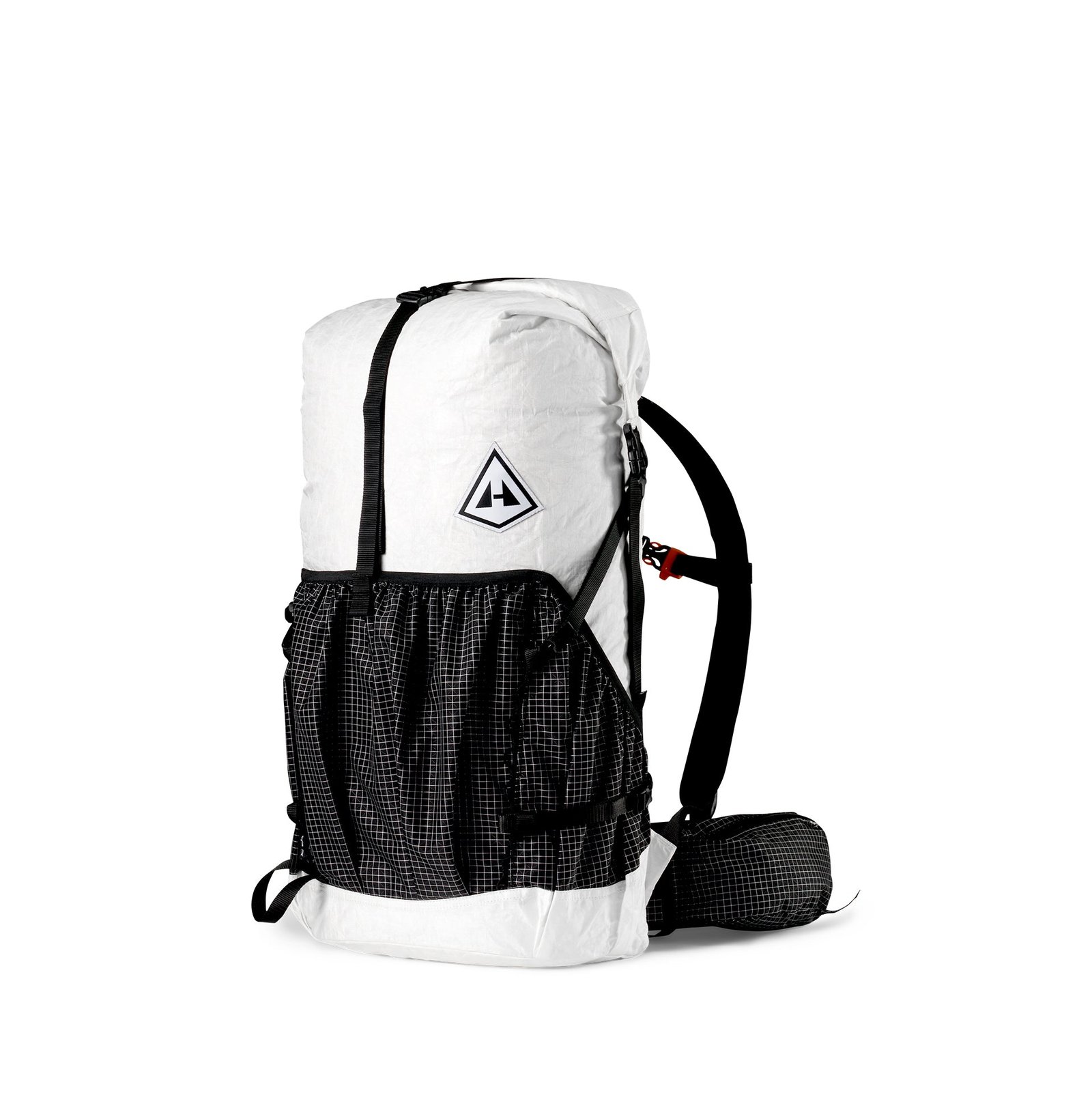
Hyperlite Mountain Gear Southwest 55L

HMG Southwest 55 Review: A Season on the Trail

We may earn a commission from links on this page. It never affects our verdicts.
4.5★★★★field-assessed

What it is

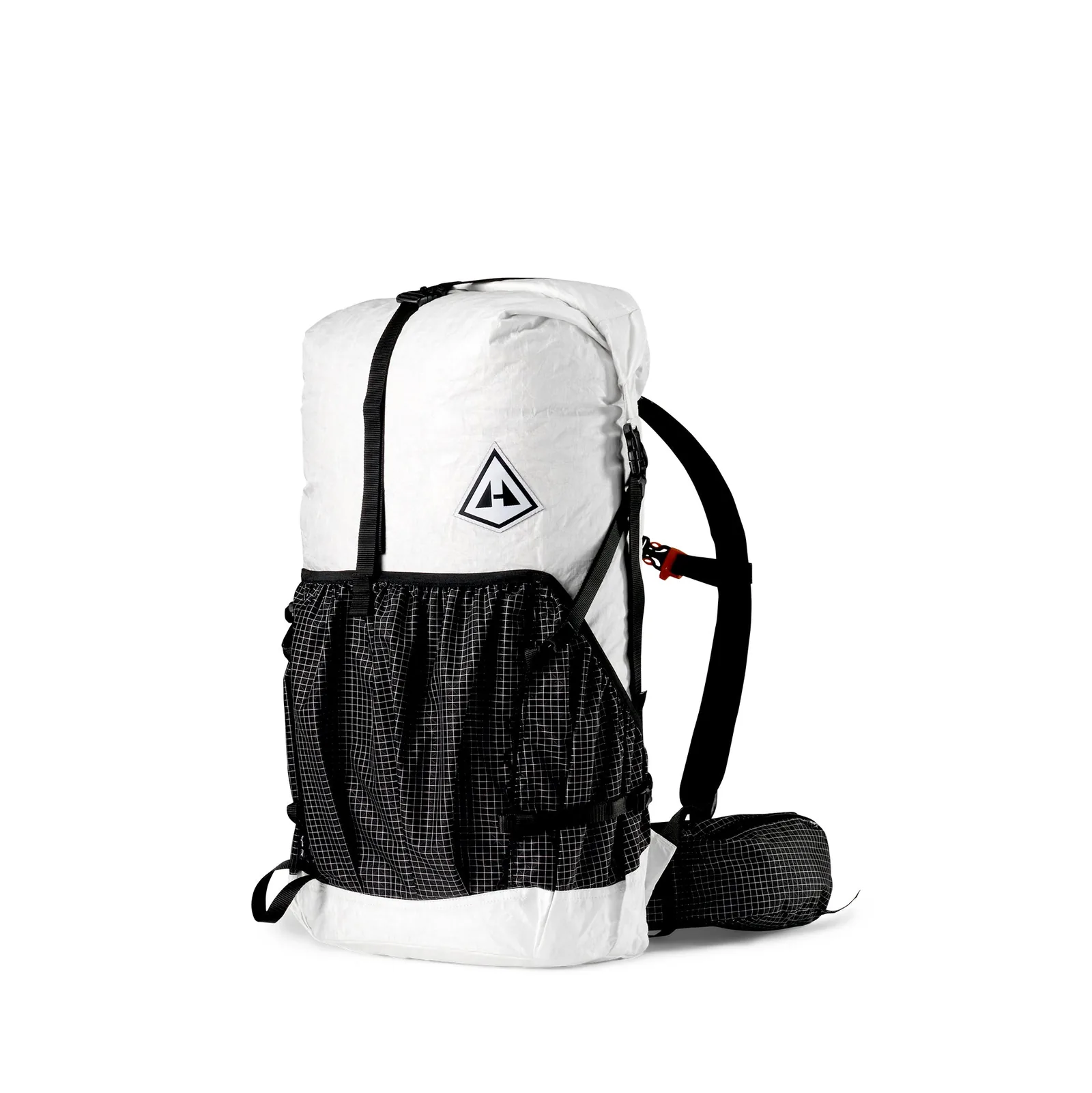
The Southwest 55L is Hyperlite Mountain Gear's do-everything Dyneema pack, sized for multi-day trips ranging from long weekends to week-plus resupply hauls. It sits alongside the Windrider and Junction in HMG's lineup, but the Southwest distinguishes itself with a slightly more structured, general-purpose build rather than leaning fully into desert-and-scree specialization or minimalist fastpacking. At 29 ounces and $420, it occupies the premium end of the ultralight pack market, built from Dyneema composite fabric that trades a break-in period for near-immediate rigidity and waterproofness. This is a roll-top, frameless-adjacent pack (with a removable frame sheet and stays) meant to carry real backpacking loads, not just summit-day essentials.

Who it's for

This pack suits the hiker who has already dialed in their base weight and is looking for a durable, weather-resistant hauler that can handle 3-8 day trips without babying it. It is aimed at people comfortable with roll-top closures and external organization rather than zippered panels and internal dividers. If you count grams obsessively but still want a pack that can survive a decade of granite scrambles and monsoon downpours, the Southwest is built for that tension. It is less suited to casual weekend users who don't need Dyneema's specific durability and waterproofing tradeoffs.

Design and details

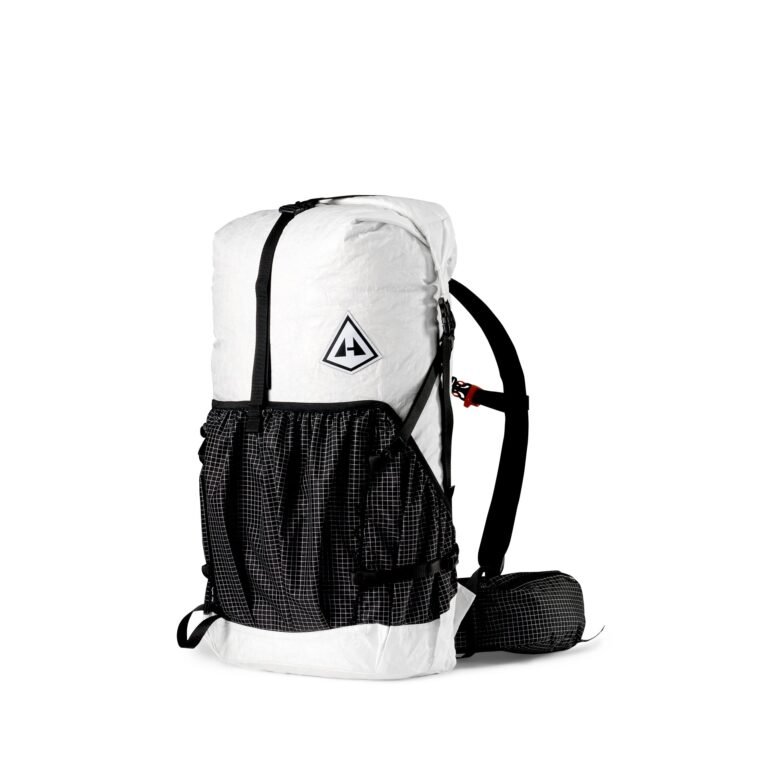
The Southwest uses Hyperlite's signature Dyneema composite fabric (DCF), a non-woven laminate that is inherently waterproof and doesn't sag or stretch the way woven nylon does over time. Construction centers on a roll-top closure with side compression straps, a large front shove-it pocket, and two side pockets sized for bottles or a tent. Internally there's a removable aluminum stay and a foam frame sheet, so you can strip weight further if you're comfortable with a more frameless carry. The hip belt is HMG's standard webbing-and-foam design, adjustable but not swappable, and the shoulder straps use a simple S-shape with minimal padding by conventional backpacking standards. Seams are taped and welded rather than stitched in load-bearing areas, which is part of what makes the fabric genuinely waterproof rather than just water-resistant. There's no dedicated brain or floating lid; everything closes under the roll-top and the external daisy chains and attachment points on the front panel.

Hyperlite Mountain Gear Southwest 55L

Hyperlite Mountain Gear Southwest 55L
29 oz$420
Weight
29 oz
Capacity
55L
Price
$420
Material
Dyneema
Best for Experienced ultralight hikers who need one pack for shoulder-season trips through variable weather and rough terrain
Pros
  • Genuinely waterproof fabric that eliminates the need for a pack liner in sustained rain
  • Dyneema's stiffness holds pack shape even when loads shift or compress on the trail
  • External pocket layout keeps frequently used gear accessible without opening the main compartment
  • Frame system is removable, letting you tune the carry between structured and minimalist
Cons
  • Hip belt padding is thin for loads consistently over 30 pounds on rocky, uneven terrain
  • Dyneema is stiff and unforgiving against the back compared to mesh-backed nylon packs
  • No dedicated hydration sleeve access point, so routing a hose requires improvising through the roll-top

After several weeks with the Southwest, the fabric held up exactly as advertised, no abrasion tears despite scraping against granite and manzanita on a Sierra loop. What surprised me was how much the frame sheet mattered on loads past 25 pounds; without it, the pack's bottom sags into your lower back in a way that undermines the otherwise excellent weight distribution. The roll-top closure is fast once you get the muscle memory, though it demands more attention to compression than a drawstring-and-lid system, since a sloppy roll lets water creep in at the corners during driving rain. Bottom line from the field: this pack rewards a hiker who packs deliberately and punishes one who stuffs gear in haphazardly.

Check price →

Performance

Load carry and comfort come down to how you use the frame sheet and aluminum stay. With both in place, the Southwest handles 25-30 pounds respectably, transferring weight to the hips in a way that feels stable on switchbacks and scrambles alike. Push past that range and the thin hip belt padding starts to make itself known after six or seven hours, particularly on rocky trail where your hips are absorbing more shock than on smooth tread. Strip the frame for sub-20-pound loads and the pack becomes genuinely disappearing-on-your-back light, though at that point you're relying entirely on packing technique to avoid lumps and pressure points.

Weather resistance is where Dyneema justifies its price tag most convincingly. I hiked through two multi-hour downpours in the Wind River Range without a pack liner and had zero moisture intrusion through the fabric itself; the only water that got in came through a carelessly rolled top closure on one occasion, which was my error, not the pack's. This is a meaningful difference from silnylon or even X-Pac packs, which will eventually wet through at the seams or under sustained pressure. The tradeoff is that Dyneema doesn't breathe at all, so any condensation inside the pack from damp gear stays put until you air it out.

Durability over the test period was excellent in the ways Dyneema is known for and average in the ways it isn't. The fabric itself shows essentially no wear, no pilling, no fraying at stress points, even after dragging the bottom across granite slabs and pushing through dense brush. Where I'd watch long-term is the stitching at the hip belt attachment and the daisy chain bar tacks, which are handling real tension every day and are the more likely failure point on a multi-year pack rather than the DCF panels themselves. This mirrors what I've heard from other long-term Dyneema pack owners: the fabric outlasts the hardware.

Organization and access are honest tradeoffs of the roll-top design. The front shove-it pocket is large enough for a wet rain jacket, snacks, or a bear canister lid, and the side pockets are cut generously enough to reach a bottle without taking the pack off, which matters more than it sounds like on a long uphill push. What you give up is any quick-access top pocket or internal compartmentalization, so anything buried in the main body means untying the roll-top, which gets old fast when you're digging for a map or headlamp at a rest stop. There's also no built-in method for hydration hose routing, which is a minor but real annoyance if you run a bladder rather than bottles.

Stability on the move is a product of the frame system working as intended. On exposed scrambling sections and stream crossings, the pack tracked well with my center of gravity, not swinging or shifting even during a few off-balance moments crossing wet rock. Compression straps do real work here, cinching the load close enough that even a half-full pack doesn't shift audibly with each step, which matters more than people expect until they've hiked with a pack that sloshes side to side on a descent.

In the field

I carried the Southwest for eleven days on a Sierra High Route variant in July, starting with a five-day food carry that pushed the pack to around 28 pounds including a bear canister lashed externally. The pack handled the canister strap-on without complaint, and the DCF side pockets meant I could keep a liter of water in each without worrying about puncture from granite scrambling. Days blurred into a routine of roll-top, cinch, hike, and the system became second nature by day three, though the first two days involved genuine frustration relearning how to pack efficiently without a top-loading lid.

What stood out day to day was how little the pack itself demanded my attention. No creaking hip belt, no sagging shoulder straps, no need to re-tension anything mid-hike the way I've had to with older nylon packs as they stretch under load. The one moment of real friction came during an afternoon thunderstorm above treeline, when I needed my rain shell fast and it was buried under a food bag in the main compartment; unrolling a wet, wind-whipped top closure while hail started is not a scenario the roll-top design handles gracefully, and I've since adjusted to keeping rain gear in the front pocket specifically because of that afternoon.

By the end of the trip, the pack showed cosmetic scuffing on the bottom panel from granite but no structural wear anywhere, and the fit had not changed at all, which is the real story with Dyneema packs. There's no break-in period because there's nothing to break in; the pack that arrived is functionally the same pack that came off the trail eleven days later, just dirtier.

Is it worth it?

At $420, the Southwest costs roughly double what a comparable nylon pack from a mainstream brand would run, and that premium buys you genuine waterproofing, minimal long-term wear, and a pack that won't need replacing after a few seasons of hard use. It's worth it for hikers who put in enough trail days per year that the cost amortizes against durability, and for anyone who routinely hikes in wet climates where a pack liner isn't a full solution. It's a harder sell for someone doing a handful of trips a year, where a $200 nylon pack will do the job for less money and less commitment to the roll-top learning curve.

Who should skip it

Skip the Southwest if you carry loads over 30 pounds regularly, since the hip belt padding and frame system aren't built for true heavy hauling the way a traditional backpacking pack is. It's also not the right choice if you want fast top-access to your gear throughout the day, since the roll-top rewards deliberate packing over quick digging. Hikers who prioritize back ventilation over waterproofing should also look elsewhere, since Dyneema's rigidity means no mesh backing and noticeably more back sweat on warm days.

FAQ

Does the Southwest 55 need a pack liner in rain
No, the Dyneema fabric itself is waterproof and held up through multi-hour downpours without leaking. The only water intrusion I experienced came from an improperly sealed roll-top closure, not the fabric, so careful rolling technique matters more than a liner.
Can you remove the frame to save weight
Yes, the aluminum stay and foam frame sheet are both removable, which drops the pack's weight further for loads under 20 pounds. Doing so does trade away load transfer to the hips, so it works best for genuinely light carries rather than full multi-day loads.
How does the roll-top compare to a traditional zippered pack for organization
The roll-top is slower for quick access to buried items but excellent for compression and weatherproofing, since there are no zippers to fail or let water in. It rewards packing deliberately with frequently needed items in the external pockets rather than the main compartment.
Is 29 ounces realistic for the size and durability offered
Yes, that weight is consistent with what I carried and weighed myself, and it's a genuine advantage over comparable nylon packs of similar volume and durability. The tradeoff for that weight is the thinner hip belt padding and lack of back ventilation, not any shortcut in fabric strength.
Is the Southwest durable enough for off-trail or bushwhacking use
The DCF fabric held up well against brush and granite abrasion over eleven days with no tears or punctures. The more likely long-term wear point is the stitching at stress areas like the hip belt attachment, which is worth periodically inspecting on any Dyneema pack used for rough terrain.
Who should choose the Windrider instead of the Southwest
Hikers doing predominantly desert, canyon, or technical scrambling routes may prefer the Windrider's pocket configuration and terrain-specific design. The Southwest is the better general-purpose choice for hikers with varied trip types rather than a single dominant terrain focus.

The bottom line

The Southwest 55 earns its price for hikers who log enough trail days to value genuine waterproofing and multi-year durability over upfront savings. It is not the most comfortable pack under heavy loads, and the roll-top demands a packing discipline that not everyone wants to adopt, but for its intended user it simply outlasts and outperforms nylon alternatives in wet, rough conditions. Buy it if you're committed to the ultralight roll-top system and put in serious mileage; skip it if you want quick access and heavier-load comfort over fabric performance.

Related guides

Keep building your system with these closely related guides.

Further reading

Authoritative sources to go deeper on the topics above.

Similar Posts

Leave a Reply

Your email address will not be published. Required fields are marked *