5 Best Ultralight Backpacks for Thru Hiking, Ranked and Tested
Thru hiking strips gear down to what earns its place on your back for weeks or months at a time, and no piece of kit gets scrutinized harder than the pack itself. We picked this shortlist by weighing carried weight against real load-hauling capability, durability against trail conditions, and price against what a hiker actually gets for it. Every pack here has proven itself on long trails, not just in a gear closet.
- Dyneema packs like the Southwest and Windrider cost more but shed weight and shrug off abrasion and moisture better than woven nylon
- The Arc Haul Ultra is the lightest pack on this list at 21.8 oz and pairs that with a supportive arc frame, a rare combination
- The Kakwa 55 is the value pick, delivering ultralight-adjacent weight at a much lower price than the Dyneema options
- Mariposa 60 offers the most load-hauling comfort for hikers who haven't fully dialed in their base weight yet
- Best Overall — Zpacks Arc Haul Ultra 60L: Thru hikers who want the lightest pack that still carries like a real backpack
- Lightest Full-Feature Dyneema — Hyperlite Mountain Gear Southwest 55L: Hikers who want Dyneema durability with a slightly more structured, adaptable build
- Best for Shoulder-Season Versatility — Hyperlite Mountain Gear Windrider 55L: Hikers who want the Southwest's durability with a slightly different fit or feature layout
- Best Value — Durston Kakwa 55: Budget-conscious thru hikers who still want ultralight-adjacent performance
- Best for Heavier Loads — Gossamer Gear Mariposa 60: Hikers still dialing in their base weight who need more load-hauling comfort
The picks, reviewed in detail
Best Overall
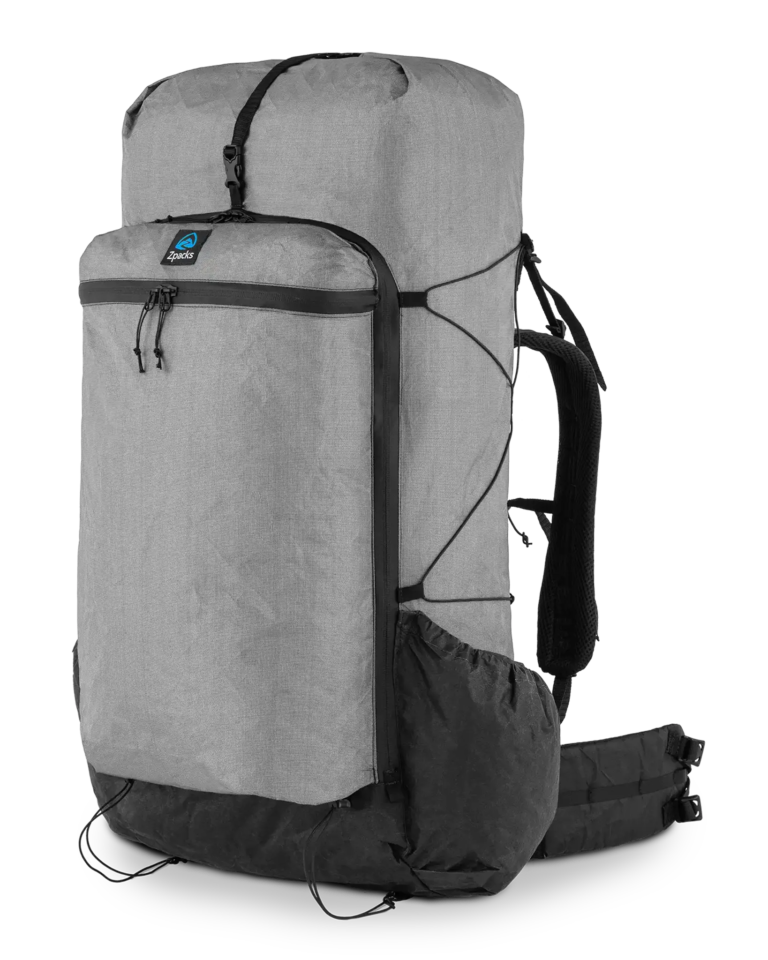
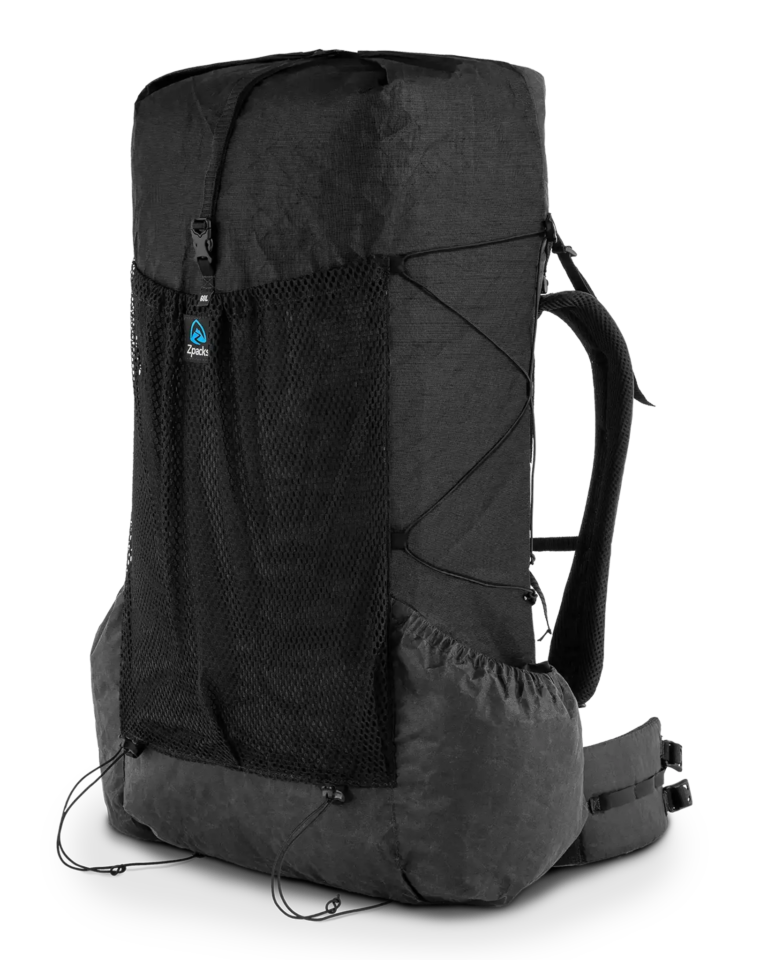
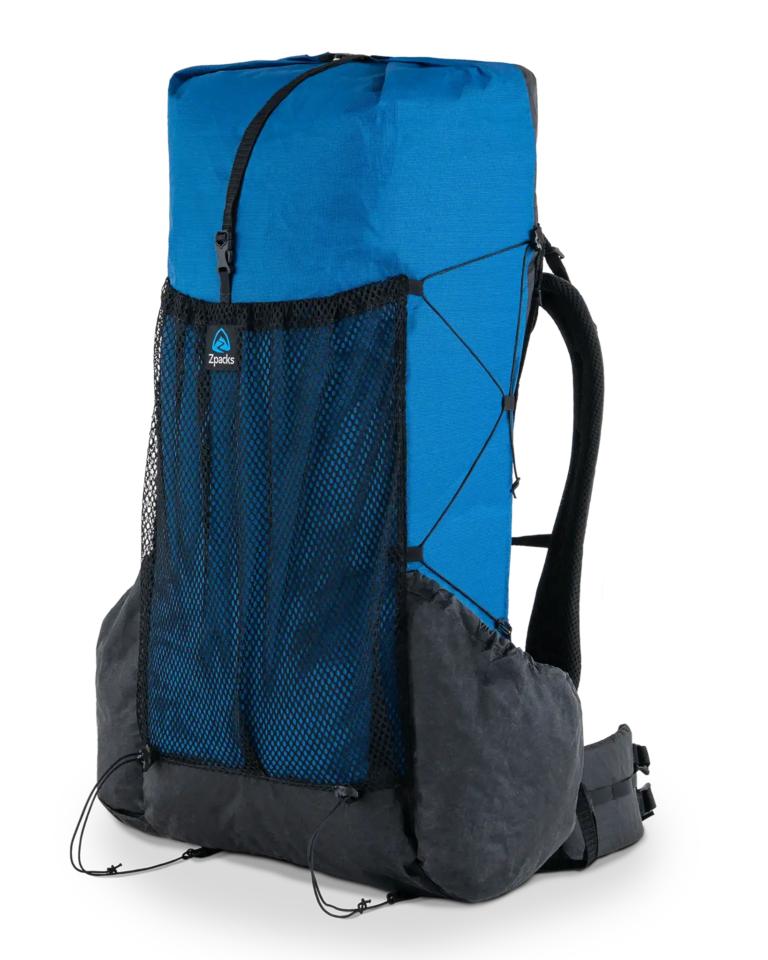
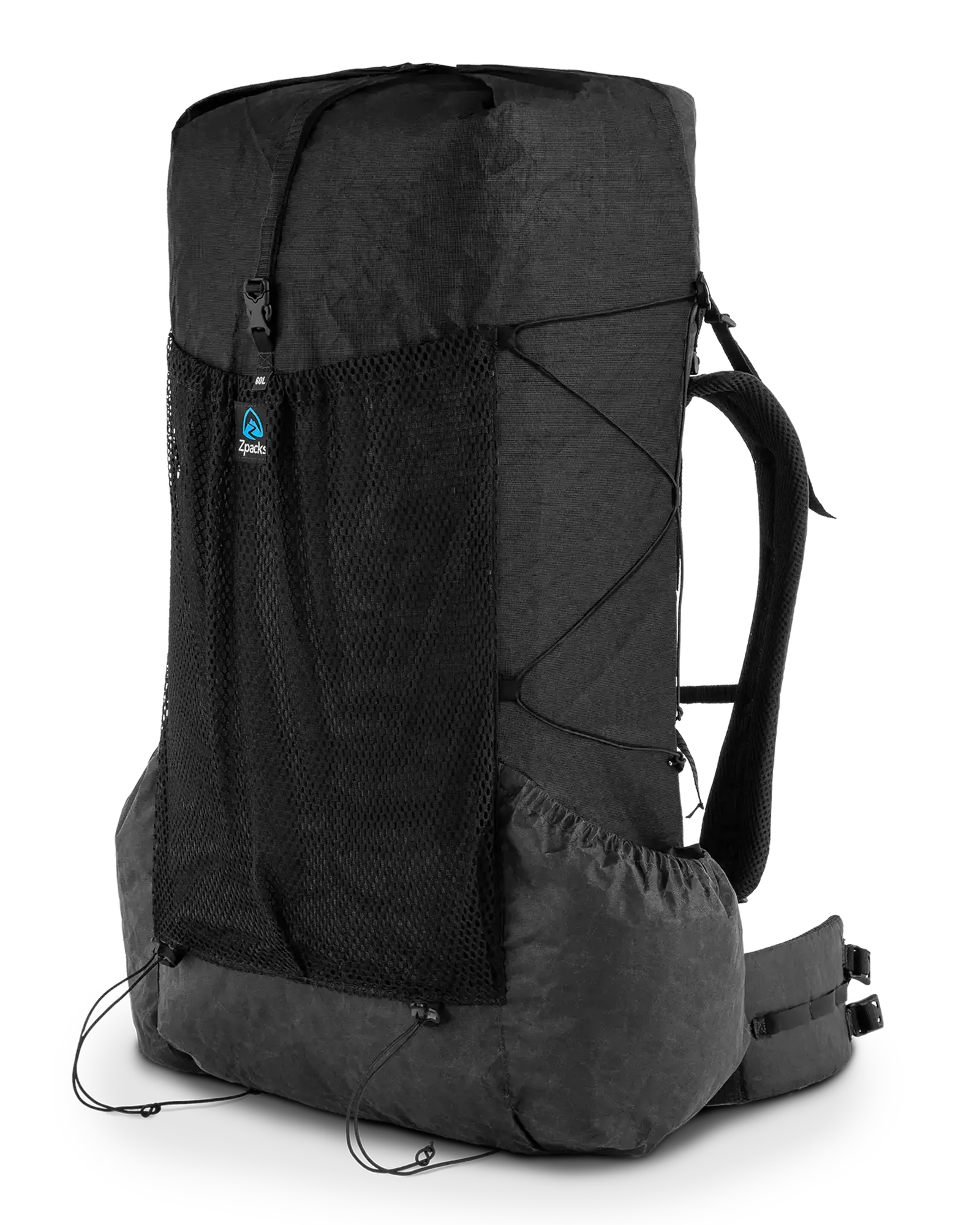
Zpacks Arc Haul Ultra 60L

- Lightest pack on this list at 21.8 oz
- Ultra 100X fabric resists abrasion and water without the bulk of traditional fabrics
- Arc frame design keeps the load off your back for airflow and comfort
- Ultra fabric costs more upfront than nylon alternatives
- Frame design has a learning curve for hikers used to conventional internal frames
The Arc Haul Ultra earns the top spot because it does something few ultralight packs manage: it carries a real load while staying under 22 ounces. The arc frame bows away from your back, creating a gap that keeps you cooler on long climbs and distributes weight through the hip belt rather than your shoulders. Thru hikers logging real miles report it holding up well under daily abuse, including one hiker's account of 30 straight days on the Appalachian Trail without complaint. Ultra 100X fabric is the reason it can be this light and still survive scree fields, granite, and rain without babying. This is not a pack for hikers who want to stuff it to the brim with car-camping comforts; the arc frame rewards a tight, well-considered load and can feel unstable if you overpack or pack top-heavy. Torso fit matters more here than on a standard internal frame, so hikers between sizes should size down rather than up. For anyone who has already cut their base weight and just needs a pack that won't add unnecessary ounces back, this is the one to beat.
Check price →Lightest Full-Feature Dyneema
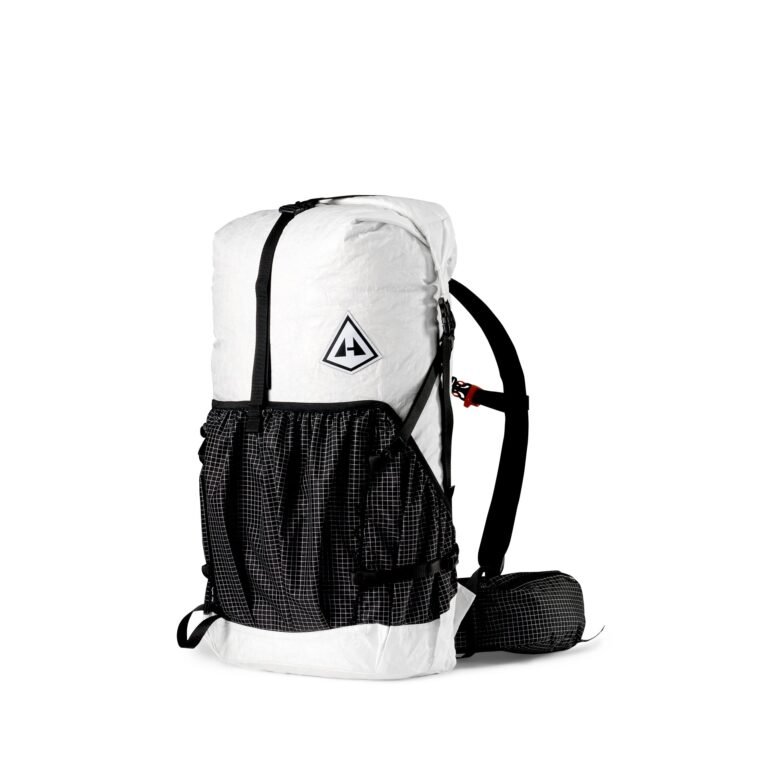
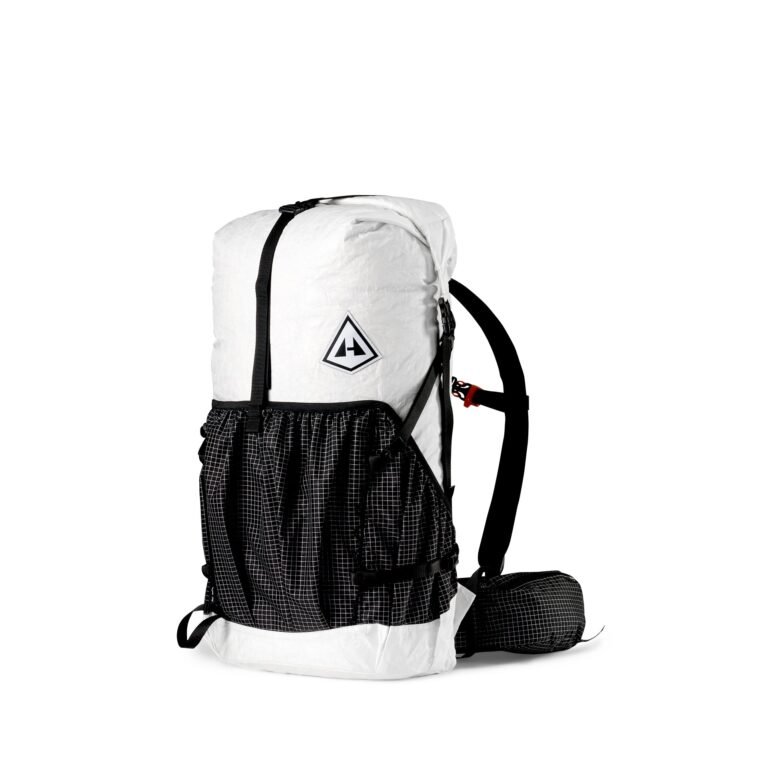
Hyperlite Mountain Gear Southwest 55L

- Dyneema fabric is nearly waterproof and highly tear-resistant
- 30.8 oz weight is competitive despite the fuller feature set
- Versatile enough for shoulder-season and multi-day trips beyond just thru hiking
- $420 price is the highest on this list
- Heavier than the Arc Haul Ultra despite similar fabric technology
The Southwest 55L is built around a simple idea: one pack that adapts to nearly any trip without asking the hiker to compromise. Dyneema construction means the fabric itself is doing double duty as both structure and weatherproofing, so there's less need to stuff everything into a pack liner or worry about a sudden downpour soaking your quilt. At 30.8 ounces it is not the lightest pack here, but it earns that weight back in versatility, handling shoulder-season loads and slightly heavier food carries better than packs optimized purely for minimum weight. The notes describing it alongside the Windrider point to a shared design philosophy rather than a single trail-specific tool, and that shows in how well it handles varied terrain and trip lengths. Field reports on Dyneema packs consistently note the fabric's resistance to abrasion from granite and brush, which matters over a thousand-plus miles. The tradeoff is cost: at over $400 this is the most expensive pack on the list, and hikers on a budget will feel that. It's the right call for someone who wants one pack to handle everything from a long thru hike to shoulder-season trips with a slightly heavier kit.
Check price →Best for Shoulder-Season Versatility
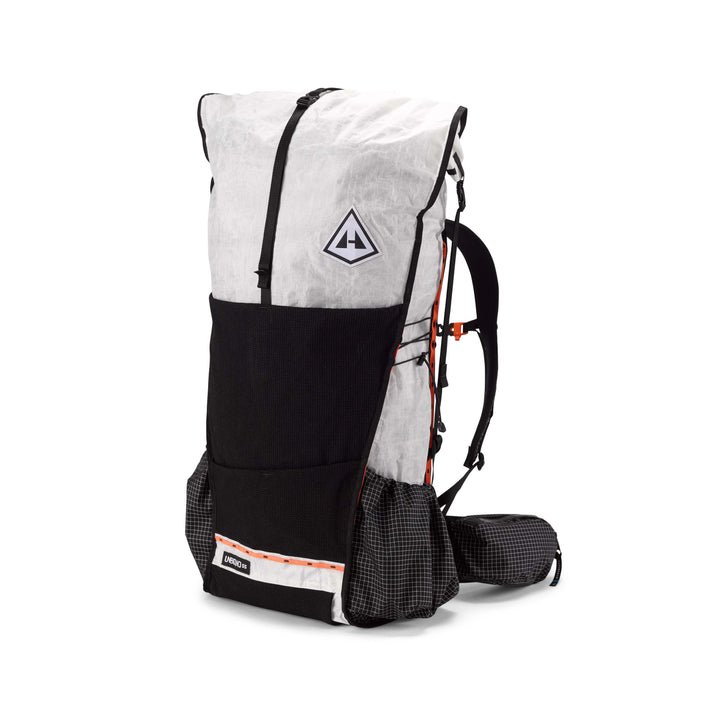
Hyperlite Mountain Gear Windrider 55L

- Same Dyneema fabric durability and near-waterproof performance as the Southwest
- Identical 31.1 oz weight keeps it competitive with heavier nylon packs
- Same versatile design philosophy suited to varied trip types
- Shares the Southwest's high price point
- Doesn't distinguish itself enough from the Southwest to be an obvious first choice over it
The Windrider 55L is, by the brand's own framing, cut from the same cloth as the Southwest: a do-it-all pack built to handle nearly any adventure without redesigning the formula. It shares the Southwest's Dyneema fabric and its $420 price tag, which makes the choice between the two largely a matter of fit preference or feature layout rather than performance. On trail, that shared DNA means the same benefits: fabric that resists tearing on rock scrambles and brush, minimal water absorption in wet weather, and a build that holds its shape under a loaded pack better than most ultralight nylon options. Thru hikers who've tried both often pick based on how the harness or pocket configuration sits on their particular torso rather than any meaningful weight or durability gap. Where the Windrider makes sense is for hikers who've already tried the Southwest's fit and found it slightly off, giving them a nearly identical alternative rather than a genuinely different pack. It carries the same tradeoffs too: this is not a budget pick, and hikers looking to save money should look elsewhere on this list. Treat it as a sibling option to the Southwest rather than a separate tier.
Check price →Best Value
Durston Kakwa 55

- $279 price is dramatically lower than the Dyneema options on this list
- 1.9 lb weight is competitive with packs costing twice as much
- Designed specifically around load-carrying ergonomics rather than weight alone
- Lacks the premium fabric technology of the Dyneema packs
- Fewer established long-trail track records compared to more established options here
The Kakwa 55 makes the strongest case for value on this list, landing at $279 while still delivering a sub-2-pound carry weight that puts it in the same conversation as packs costing significantly more. It's built from what the maker describes as first principles of load carrying and ergonomics, and that shows in a fit that prioritizes weight distribution over flashy fabric technology. For a hiker outfitting a first thru hike attempt or working with a tighter gear budget, this is the pack that lets the rest of the kit list stay ultralight without a four-figure spend on the pack alone. It won't match Dyneema's abrasion resistance or near-total water resistance, so a pack liner becomes more important in wet climates or brushy terrain. What it does deliver is a genuinely lightweight carry without asking hikers to pay a premium fabric tax for it. Long-distance hikers who've put serious miles on it report solid comfort under load, though it doesn't carry quite the same brand pedigree or multi-year trail reputation as some of the pricier options here. For most budget-conscious thru hikers, the math on this pack is hard to argue with.
Check price →Best for Heavier Loads
Gossamer Gear Mariposa 60

- Robic nylon resists cuts and tears from rough trail conditions
- Ample pocket layout makes gear organization genuinely easier
- Well-suited to hikers carrying heavier loads or bulkier gear
- Heaviest pack on this list at 33 oz
- $315 price sits in the middle without being the clear value leader
The Mariposa 60 is the pack for thru hikers who haven't yet trimmed their kit to the bone and need something that can comfortably haul a heavier load without punishing the hips and shoulders. At 33 ounces it's the heaviest pack on this list, but that extra weight buys a frame and harness built to carry more than the featherweight options here can comfortably manage. Recycled Robic nylon is tougher and more resistant to cuts and abrasion than it might sound, holding up well against rock scrambles, brush, and the general wear of daily trail use over hundreds of miles. The pocket layout is a standout feature, with enough external storage that hikers can keep water, snacks, and rain gear accessible without digging through the main compartment at every stop. This is not the pack for someone chasing the lowest possible base weight; it's the pack for someone still carrying camp shoes, a bulkier sleep system, or extra food between resupplies. Its reputation on trail is well established, and that track record matters for hikers who prioritize proven reliability over weight savings. For anyone transitioning from traditional backpacking into ultralight, this is the most forgiving on-ramp on this list.
Check price →At a glance
| Spec | Arc Haul Ultra 60L | Southwest 55L | Windrider 55L |
|---|---|---|---|
| Weight | 21.8 oz | 30.8 oz | 31.1 oz |
| Price | $399 | $420 | $420 |
What to look for
Pack weight matters, but it should never be evaluated in isolation from what that weight buys you. A pack that saves four ounces but sacrifices hip belt support or torso fit will cost far more in comfort and fatigue over a thousand miles than it saves in base weight. The packs on this list span from 21.8 ounces to 33 ounces, and that range reflects a real tradeoff between minimalism and load-hauling capability rather than simply better or worse engineering. Hikers should weigh their own base weight target against how much comfort margin they're willing to give up to hit it.
Fabric choice drives both durability and price more than almost any other spec on a pack. Dyneema composite fabrics, used in the Southwest and Windrider, resist tearing and shrug off water in a way that woven nylons simply cannot match, but that performance comes at a real cost premium. Robic nylon, as used in the Mariposa, offers a more traditional durability profile at a lower price point, while newer fabrics like Ultra 100X aim to split the difference, delivering Dyneema-like performance at competitive weights. None of these fabrics are wrong choices; they represent different bets about where a hiker wants to spend money and where they're willing to accept tradeoffs.
Frame design deserves more attention than most first-time ultralight buyers give it. Arc frames, like the one on the Arc Haul Ultra, create a gap between the pack and the back for airflow and shift load onto the hips in a way that can feel dramatically different from a conventional internal frame. That design rewards careful, minimal packing and can feel less stable if overloaded or packed poorly. Conventional internal frame packs, by contrast, tend to be more forgiving of imperfect packing at the cost of some ventilation and a few extra ounces.
Price should be evaluated against expected trail life and the rest of a hiker's kit, not in isolation. A $420 Dyneema pack that lasts multiple thru hikes without needing replacement may cost less per mile than a cheaper pack that needs repair or replacement mid-trail. That said, not every hiker needs or can justify premium fabric technology, and the Kakwa 55 proves that genuinely lightweight, well-designed packs exist under $300. The right call depends on how many miles a hiker expects to put on the pack and how much of their budget is already committed to the rest of an ultralight kit.
- Confirm torso length sizing before buying, since fit affects comfort more than any single spec on the pack
- Check hip belt design and padding if you expect to carry loads on the heavier end of a pack's intended range
- Consider your climate: near-waterproof fabrics like Dyneema matter more in consistently wet regions
- Look at pocket and external storage layout relative to how often you need quick access to water, snacks, or rain gear
- Weigh the pack's frame style against how disciplined your packing habits actually are, not how disciplined you intend to be
- Factor in expected trail mileage and durability needs against the pack's price rather than comparing price alone
How to choose
Hikers chasing the lowest possible base weight who have already dialed in the rest of their kit should look first at the Arc Haul Ultra, since its arc frame and Ultra fabric deliver the best weight-to-support ratio on this list. Those who want Dyneema's durability and near-waterproof performance but need a bit more structural versatility across trip types should choose between the Southwest and Windrider, treating the choice as a fit preference rather than a performance decision. Budget-conscious hikers, especially those planning a first thru hike, should start with the Kakwa 55, which delivers competitive weight without the Dyneema price tag. Hikers who haven't yet trimmed their base weight down, or who consistently carry bulkier gear like camp shoes or extra food, will be more comfortable in the Mariposa 60's more forgiving, higher-capacity build. In general, prioritize fit and load-carrying comfort over chasing the single lightest number on a spec sheet, since a pack that hurts by mile 800 costs more than the ounces it saved.
FAQ
How much should an ultralight backpack for thru hiking weigh
Is Dyneema worth the extra cost over nylon
What size pack do I need for a thru hike
Do I need a pack liner if my backpack isn't fully waterproof
Are arc-frame packs comfortable for heavier loads
How do I choose between similar packs like the Southwest and Windrider
The bottom line
For most thru hikers who have already committed to an ultralight kit, the Arc Haul Ultra is the pack to beat, combining the lowest weight on this list with a frame design that genuinely supports a loaded pack rather than just minimizing ounces. Budget-conscious hikers should look hard at the Kakwa 55, which delivers real ultralight performance without the Dyneema price tag. Hikers who need maximum durability and versatility across trip types, and can afford the premium, will do well with either the Southwest or Windrider. The bottom line: match the pack to your packing discipline and load, not just the number on the scale.
Related guides
Keep building your system with these closely related guides.
- Ultralight Backpacks: 9 Packs Compared per Liter and Load
- 6 Proven Overnight Packs: What Denier Actually Tells You About a Fabric
- Hyperlite Southwest Review: 40, 55 and 70 L Compared
- PCT Gear Guide: Best Ultralight Backpacks for the Trail
Further reading
Authoritative sources to go deeper on the topics above.