Zpacks Arc Haul Ultra 50L

Zpacks Arc Haul Ultra vs Hyperlite Southwest: 50L vs 55L

We may earn a commission from links on this page. It never affects our verdicts.

Both packs sit at the top of the ultralight frameless-to-lightly-framed category, built from Dyneema-based fabrics for hikers who count ounces without sacrificing carry comfort. The Arc Haul Ultra brings Zpacks' signature arched carbon frame and a lower weight, while the Southwest counters with a beefier build, more capacity, and Hyperlite's reputation for bombproof simplicity. They get cross-shopped constantly because both cost around $400 and target the same serious long-distance hiker.

The verdict up front

For most thru-hikers and ounce-counters, the Arc Haul Ultra wins on the strength of its 7.6-ounce weight advantage and unique arched frame that improves airflow and load transfer. The clear exception is anyone carrying heavier loads, colder-weather gear, or bear canisters regularly, where the Southwest's larger 55L capacity and more structured suspension earn their weight penalty. Budget-conscious buyers should note the Arc Haul is also $21 cheaper, widening its edge for weight-focused hikers.

Spec Arc Haul Ultra 50L Southwest 55L
Weight 21.4 oz 29 oz
Capacity 50L 55L
Price $399 $420
Material Ultra 100X Dyneema

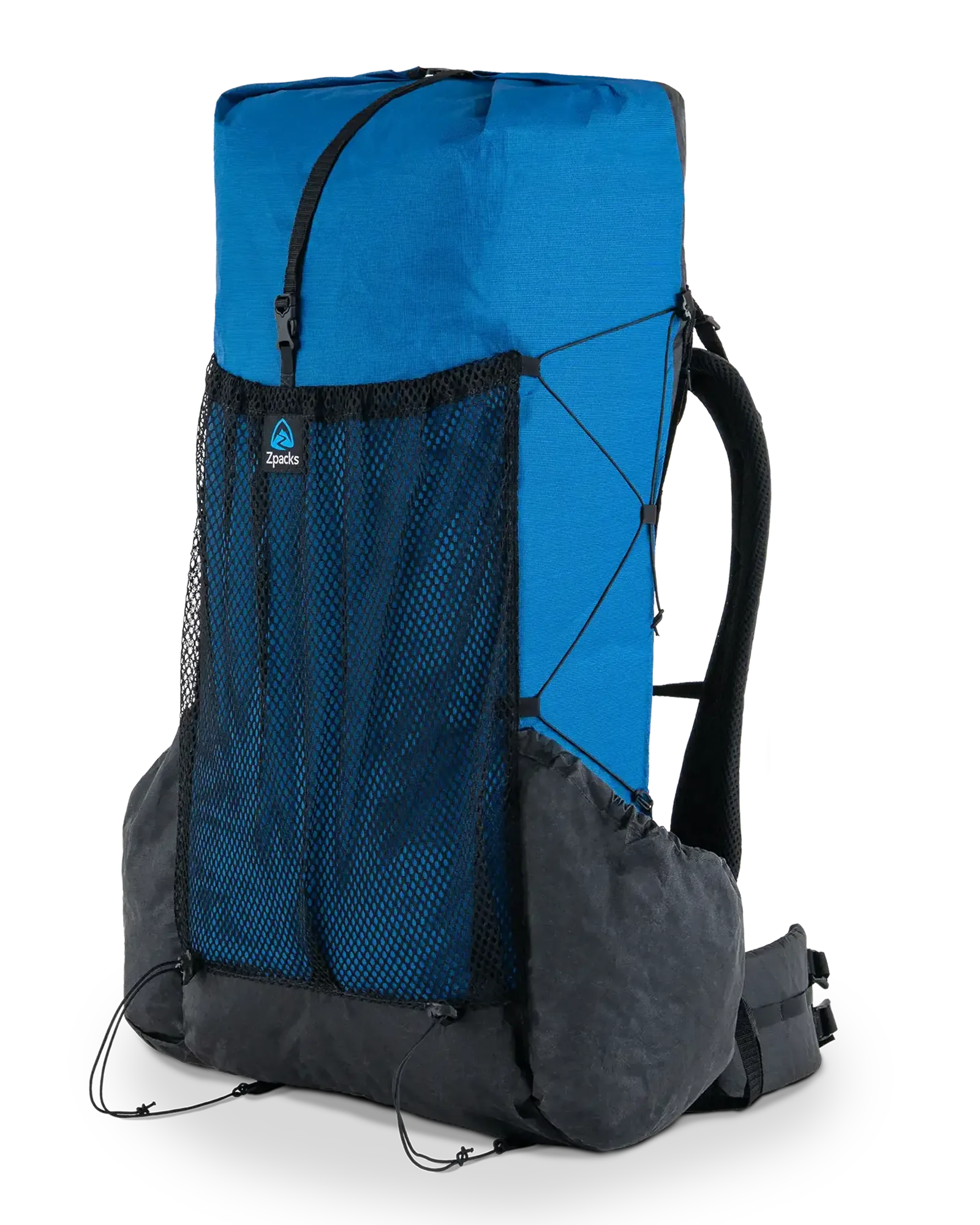
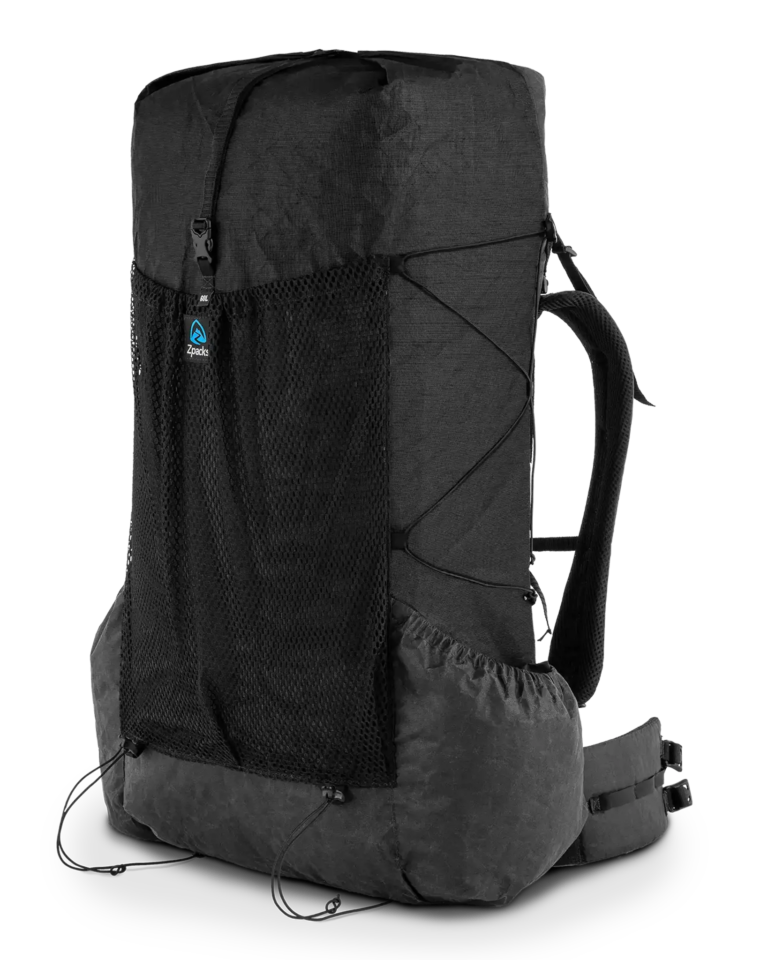
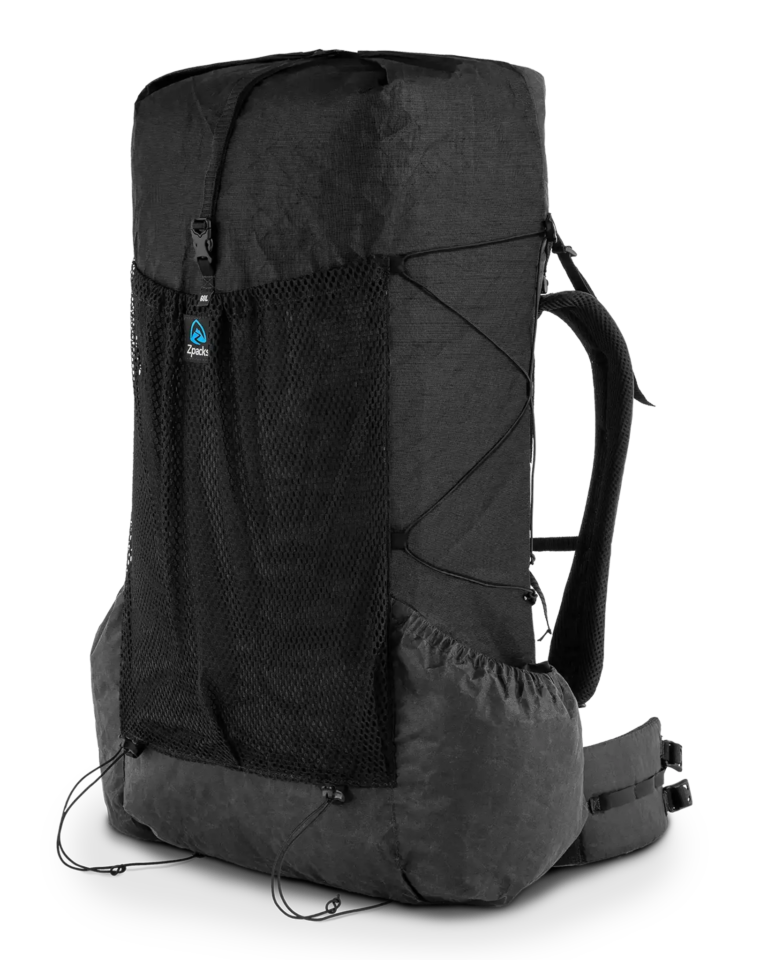
Zpacks Arc Haul Ultra 50L

Zpacks Arc Haul Ultra 50L
21.4 oz$399
Weight
21.4 oz
Capacity
50L
Price
$399
Material
Ultra 100X
Best for thru-hikers and fastpackers prioritizing minimum base weight who keep loads under roughly 25 pounds
Pros
  • 21.4 oz is dramatically light for a 50L pack with an actual frame
  • Arched carbon stay creates a gap between pack and back for airflow
  • Ultra 100X fabric offers strong tear resistance at very low weight
Cons
  • 50L capacity is tighter for bear canisters or winter loads
  • Arc frame and mesh back panel add a learning curve for loading and fit

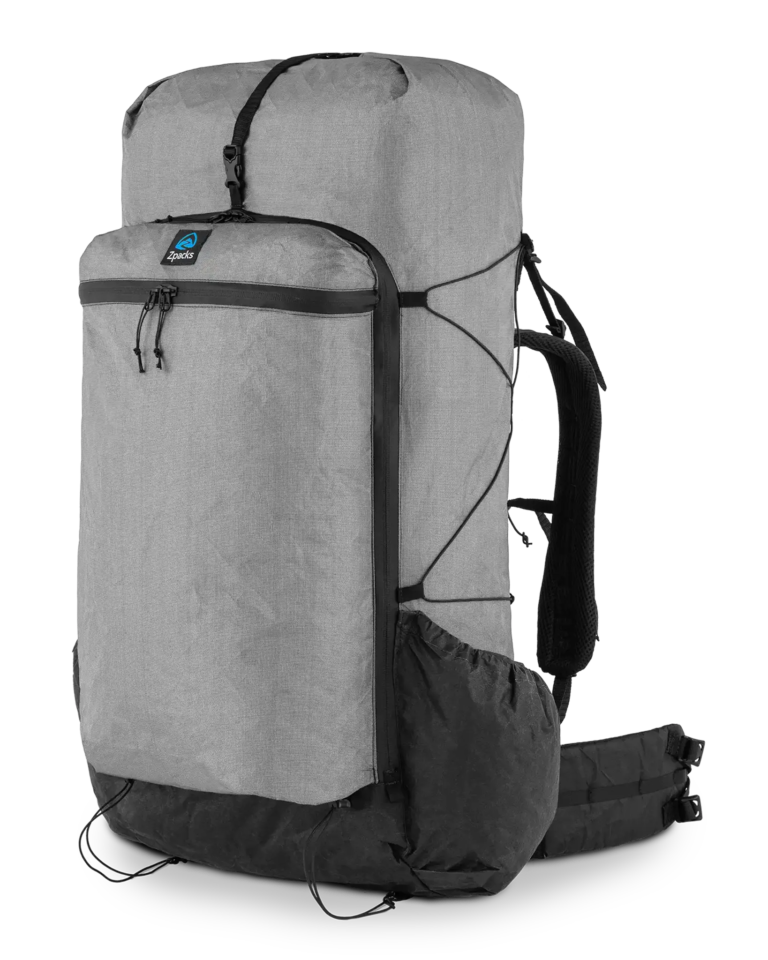
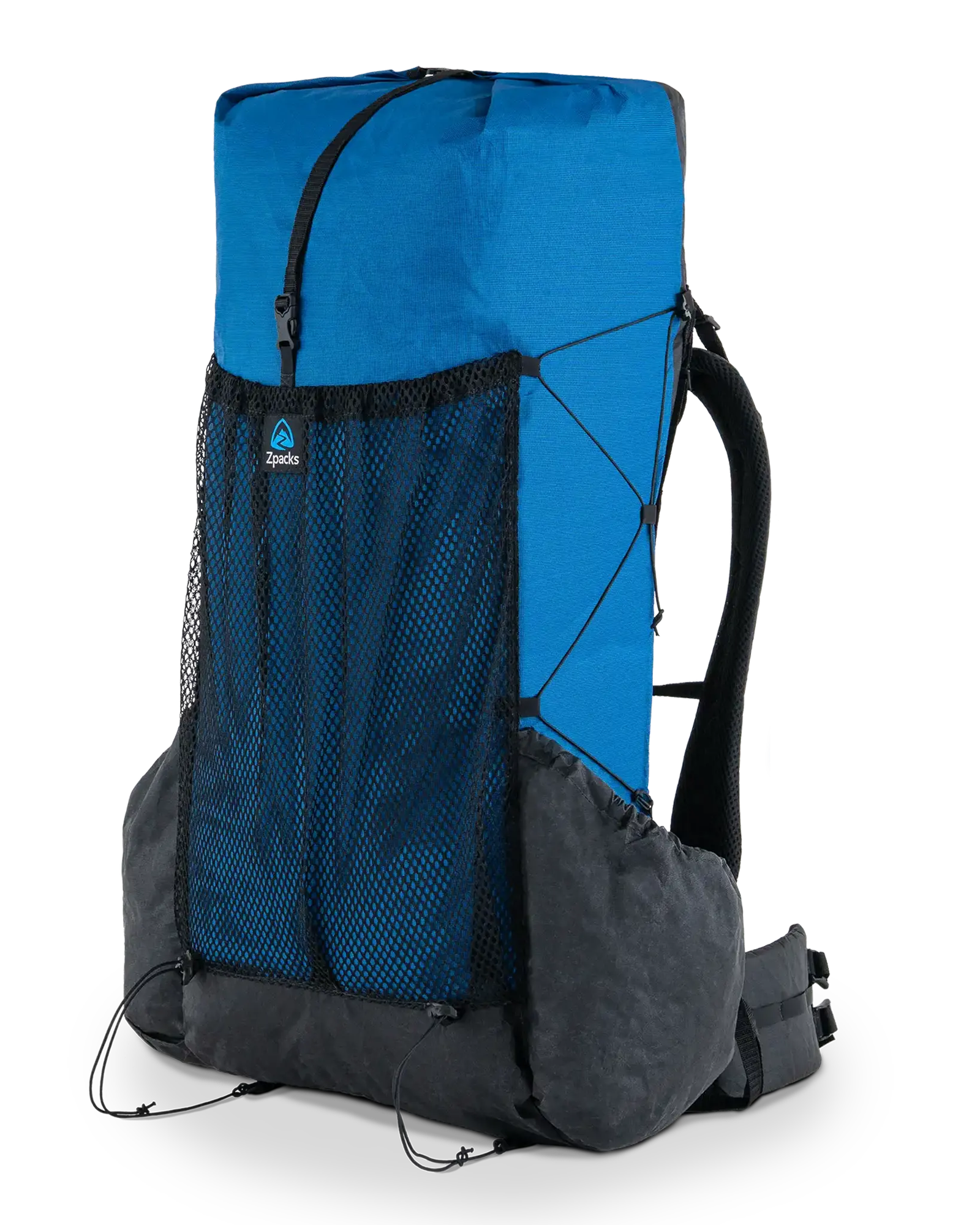
The Arc Haul Ultra is Zpacks' flagship framed pack, replacing the discontinued Dyneema Arc Blast Ultra-era model with Ultra 100X fabric for better abrasion resistance. Its signature feature is the two-piece carbon fiber arched frame that holds the mesh back panel away from the hiker's back, creating airflow and transferring load to the hip belt. At 21.4 ounces it undercuts nearly every framed 50L pack on the market, making it a favorite among Appalachian Trail and Pacific Crest Trail thru-hikers chasing sub-10-pound base weights. The tradeoff is a pack body that rewards careful, disciplined loading to keep the frame riding correctly.

Check price →

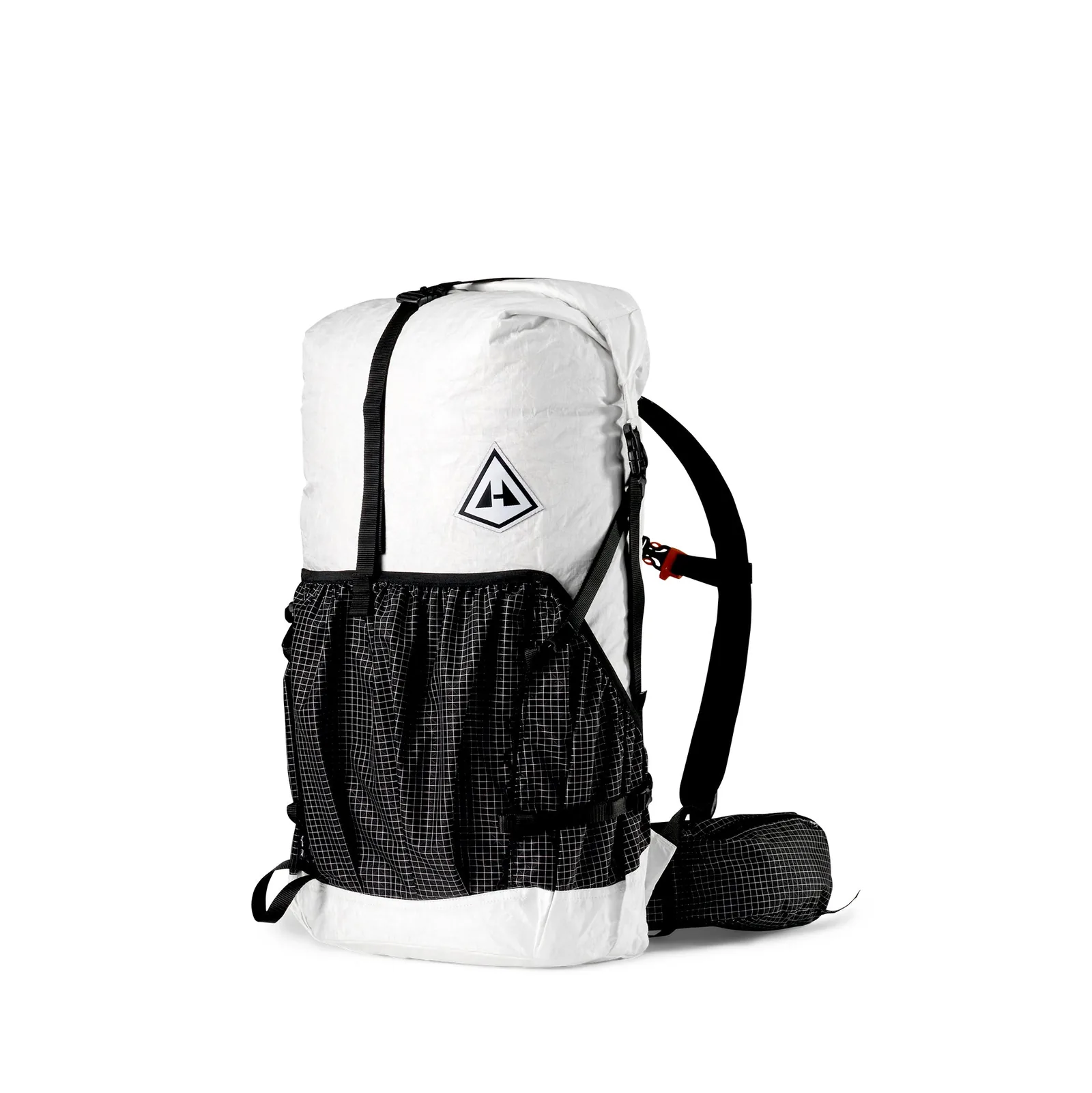
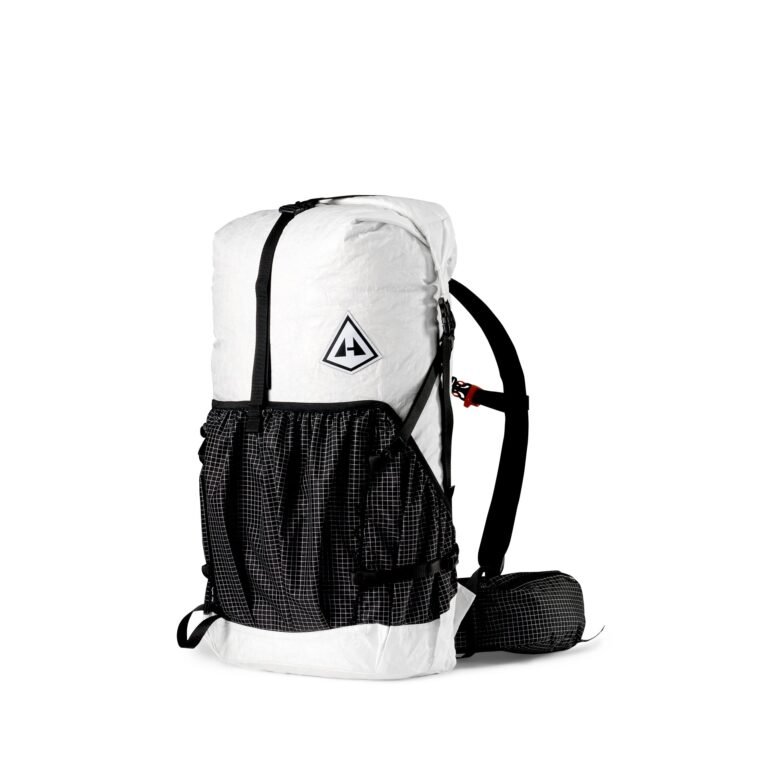
Hyperlite Mountain Gear Southwest 55L

Hyperlite Mountain Gear Southwest 55L
29 oz$420
Weight
29 oz
Capacity
55L
Price
$420
Material
Dyneema
Best for hikers who want one durable pack for three-season use, including bear canister carries and heavier gear loadouts
Pros
  • 55L capacity comfortably swallows bear canisters and bulkier gear
  • More structured internal frame stays handle heavier loads with less flex
  • Hyperlite's simpler roll-top design has fewer failure points
Cons
  • 29 oz is nearly 8 ounces heavier than the Arc Haul Ultra
  • No dedicated arch or airflow channel, so back sweat can build on warm days

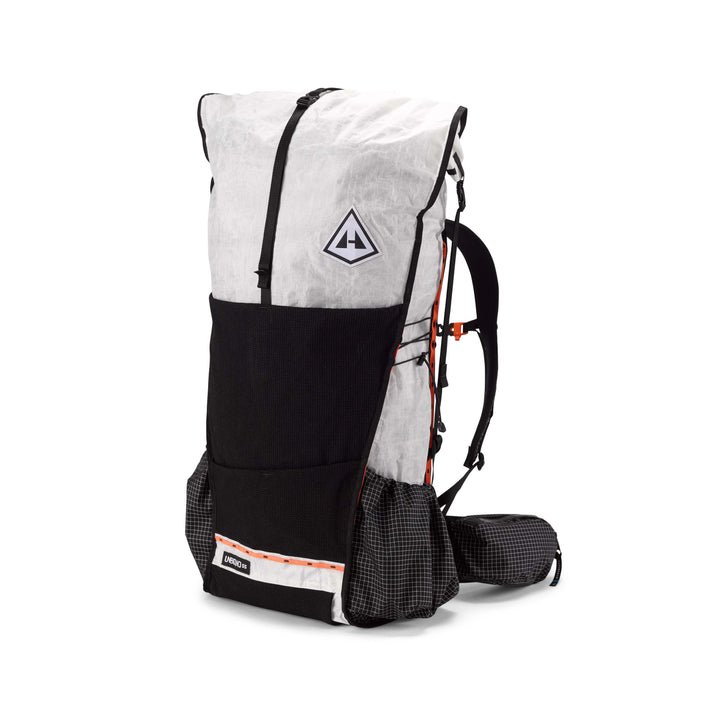
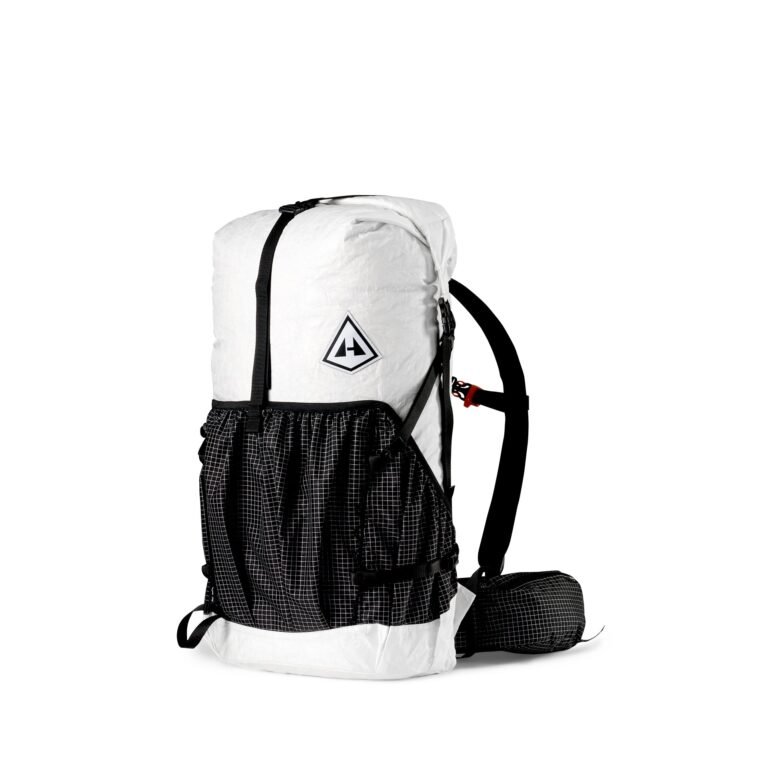
The Southwest 55L is Hyperlite Mountain Gear's do-it-all pack, built from the same Dyneema composite fabric the brand is known for across its lineup. It uses a more conventional internal frame with dual aluminum stays rather than Zpacks' arched design, prioritizing predictable load transfer over airflow innovation. The larger 55L capacity makes it a natural fit for hikers carrying bear canisters, cold-weather layers, or extra food for long resupply stretches. It carries a slightly higher price than the Arc Haul Ultra, but many buyers view that premium as justified by the added volume and Hyperlite's long track record of durability.

Check price →

Weight and Packability

The Arc Haul Ultra wins this round decisively at 21.4 ounces against the Southwest's 29 ounces, a 7.6-ounce gap that matters enormously to anyone tracking base weight. That difference is roughly the weight of a lightweight rain jacket or a day's worth of food, which is significant on a multi-month thru-hike. The Southwest's extra weight isn't wasted, though; it buys 5 additional liters of capacity and a sturdier frame, so the comparison isn't purely apples to apples. Hikers optimizing strictly for pack weight per liter should still note the Arc Haul comes out ahead even accounting for its smaller volume. Winner: Arc Haul Ultra.

Frame, Suspension and Load Transfer

This is the most philosophically different round: Zpacks uses an arched carbon fiber frame that bows away from the back, while Hyperlite uses more traditional straight aluminum stays closer to the back panel. The arch design transfers weight to the hips effectively while creating a ventilation gap, and it does this at a remarkably low weight penalty. The Southwest's straighter stays tend to feel more stable and predictable under heavier, denser loads, since the frame doesn't have to manage the same cantilevered geometry. For loads under roughly 25-30 pounds, the Arc frame performs excellently; for loads pushing toward 35-40 pounds, the Southwest's more conventional structure generally holds its shape better. Winner: split decision, Arc Haul Ultra for light loads, Southwest for heavy loads.

Comfort and Fit or Sizing

Both packs use adjustable or size-specific hip belts and shoulder straps, but the Arc Haul's ventilated back panel gives it a meaningful comfort edge on warm-weather trails where back sweat is a persistent complaint. The Southwest's back panel sits flatter against the body, which some hikers find more stable during scrambling or off-trail travel despite the reduced airflow. Zpacks offers more granular torso-length customization options at order time, which matters for hikers outside average proportions. Hyperlite's fit is more forgiving out of the box but offers less fine-tuning once purchased. Winner: Arc Haul Ultra, primarily due to ventilation and customization.

Durability and Materials

Both packs use Dyneema composite fabrics, but they are not identical: the Arc Haul Ultra uses Ultra 100X, a newer laminate Zpacks adopted for improved abrasion resistance over older Dyneema fabrics, while the Southwest uses Hyperlite's standard Dyneema composite construction. In practice both fabrics are highly waterproof and tear-resistant relative to nylon, and both brands have long reputations for surviving thousand-mile trails with minimal wear. Hyperlite's construction has arguably the longer field-proven track record, since the Southwest lineage traces back further than Zpacks' Ultra 100X material. Neither pack uses a separate rain cover as standard, relying on the face fabric itself for weather resistance. Winner: essentially a tie, with a slight nod to Southwest for longer proven track record.

Features and Organization

The Southwest's larger volume translates into more usable exterior pocket space and a roll-top closure that handles overstuffed loads more gracefully than a tighter 50L body. The Arc Haul Ultra includes external mesh pockets and side compression, but its smaller main compartment means careful packers will feel the capacity difference on resupply-heavy days. Neither pack ships with a built-in hydration sleeve as a headline feature, so both rely on side pockets or add-ons for water carry. Organizational overhead is roughly comparable pocket-for-pocket, but the Southwest's extra 5 liters gives it more forgiving margin for gear that doesn't compress well. Winner: Southwest, on the strength of usable capacity.

Weather Resistance

Both Ultra 100X and Hyperlite's Dyneema composite are inherently water-resistant laminates, so neither pack is meaningfully more weatherproof than the other in a straight fabric comparison. The real differentiator is seam construction and closure style; roll-top closures on both packs perform similarly well at shedding rain when rolled correctly. Neither pack is fully submersible or seam-taped to a waterproof standard, so pack liners remain recommended for both in sustained rain. Given the comparable fabrics and similar closure systems, this round comes down to a wash. Winner: tie.

Ease of Use

The Southwest's more conventional frame and pocket layout make it slightly more intuitive to load correctly straight out of the box, with less risk of the frame riding awkwardly. The Arc Haul Ultra's arched frame requires understanding how to load the pack so weight sits correctly against the arch, which can take new owners a few outings to dial in. Neither pack has complex buckle systems or hardware, keeping both firmly in the minimalist, low-fuss category relative to traditional framed packs. Once broken in, both are simple systems, but the Southwest has a gentler learning curve for pack-newcomers. Winner: Southwest.

Value

At $399 versus $420, the Arc Haul Ultra is both lighter and cheaper, which is a hard combination for the Southwest to argue against on pure numbers. The Southwest's $21 premium buys 5 additional liters and a frame better suited to heavier loads, which is a reasonable trade for hikers who need that capacity. For hikers who don't need the extra volume, paying more for a heavier pack is difficult to justify. Winner: Arc Haul Ultra, unless the extra capacity is a genuine requirement.

Which wins for your kind of hiking

For long-distance thru-hiking on established trails like the AT, PCT, or CDT with resupply every 3-5 days and a base weight under 15 pounds, the Arc Haul Ultra is the stronger choice. Its weight savings compound over thousands of miles, and 50 liters is generally sufficient when food carries stay moderate and bulky winter gear isn't in play. Hikers who have dialed in minimalist gear lists and don't need to carry bear canisters will feel the Arc Haul's advantages most directly.

For trips requiring bear canisters, extended food carries in places like the Sierra Nevada, or shoulder-season trips with bulkier insulation, the Southwest's extra 5 liters and sturdier frame make it the more practical pick. The added structure also benefits hikers who tend to overpack or carry camera gear, satellite communicators, or other dense items that stress a frameless or lightly-framed system. Weekend and section hikers who don't need to shave every ounce may also prefer the margin for error the larger pack provides.

On tight budgets, the Arc Haul Ultra's lower price combined with its lower weight makes it the more efficient dollar-per-ounce-saved option, since buyers aren't paying more for a heavier pack. Both packs sit at premium price points relative to the broader backpack market, so neither is a true budget pick, but between the two, the Arc Haul delivers more performance per dollar for hikers who fit its use case.

Which should you buy?

Choose the Arc Haul Ultra if your base weight is already lean, you hike primarily in three-season conditions without bear canister requirements, and you want the lightest framed pack available at this price. Choose the Southwest if you regularly carry bear canisters, winter layers, or dense gear that benefits from a more structured, higher-volume system. Hikers transitioning from heavier framed packs to ultralight gear may find the Southwest's more conventional carry feel easier to adapt to initially. Weight-focused thru-hikers with dialed gear lists should default to the Arc Haul Ultra unless a specific trip demands extra capacity. If undecided, consider your typical food carry length and whether a bear canister is ever required on your routes, since that single factor often settles the decision.

FAQ

Which pack is better for the Pacific Crest Trail's Sierra section requiring a bear canister?
The Southwest's 55L capacity handles a bear canister more comfortably than the Arc Haul Ultra's 50L body, which can feel tight once a canister and several days of food are loaded. Hikers committed to the Arc Haul Ultra for the rest of the trail often size up temporarily or pack more carefully through that stretch.
Is the weight difference between these two packs actually noticeable on trail?
Yes, 7.6 ounces is a meaningful difference in the ultralight category, roughly equivalent to a rain jacket or a stove and fuel canister. Over a multi-month thru-hike, hikers optimizing base weight typically treat any difference over a few ounces as significant.
Does the Arc Haul Ultra's frame make it less durable than the Southwest's?
Not based on the materials involved; Ultra 100X is a newer, abrasion-resistant laminate, and the carbon fiber arch is a proven design Zpacks has refined over several product generations. The Southwest's straighter aluminum stays are simpler and have a longer field history, but neither frame type is considered a durability weak point.
Can either pack be used comfortably for loads over 35 pounds?
The Southwest's more conventional frame generally handles heavier, denser loads with less flex than the Arc Haul's arched design, making it the better choice if loads regularly exceed 30-35 pounds. Both packs are still ultralight-category packs, so neither is intended as a heavy-hauling expedition pack in the way a traditional 5-6 pound backpacking pack would be.

The bottom line

The Arc Haul Ultra is the stronger all-around choice for most experienced ultralight hikers, thanks to its lighter weight, lower price, and ventilated carry system, provided loads stay under roughly 30 pounds. The Southwest earns its keep specifically when bear canisters, cold-weather bulk, or heavier loads are a regular part of the trip, where its larger capacity and sturdier frame justify the added weight and cost. Neither pack is a wrong choice within its intended use case, since both use premium Dyneema-based fabrics and reflect mature, field-proven designs from respected ultralight brands. The decision ultimately comes down to matching pack capacity and frame stiffness to your typical load, not to any meaningful gap in build quality.

Related guides

Keep building your system with these closely related guides.
Similar Posts

Leave a Reply

Your email address will not be published. Required fields are marked *