How to Choose Camp Furniture: What Actually Matters

Selecting camp furniture requires balancing the desire for comfort against the strict realities of pack weight and volume. This guide covers how to evaluate chairs, tables, and sit pads based on structural design, material durability, and your specific trail needs.
- Assess your actual need for off-the-ground seating versus a simple foam pad based on your daily mileage.
- Evaluate packed volume just as critically as total weight, as rigid poles dictate packing strategy.
- Consider the terrain you frequent; soft ground requires specific foot designs or aftermarket ground sheets.
- Multifunctional items, like sleeping pad chair sleeves, offer high comfort-to-weight ratios but introduce puncture risks.
The Weight vs. Comfort Equation in Ultralight Backpacking
The traditional minimalist ethos dictates that camp furniture is a luxury, often replaced by a log, a rock, or a folded foam sleeping pad. However, as pack base weights drop through the optimization of the primary shelter and sleep systems, many hikers find they have the weight capacity to carry a dedicated chair or table. The decision hinges on how much time you spend in camp versus on the move. Hikers who push from dawn to dusk may only need a simple closed-cell foam sit pad, while those who establish basecamps, hike shorter daily mileages, or wait out weather under a tarp might find a chair significantly aids recovery.
When evaluating camp furniture, the primary metric to consider is the comfort-to-weight ratio. A closed-cell foam sit pad weighs roughly one ounce and provides insulation and basic protection from wet ground, representing the highest efficiency. Moving up the scale, a chair kit that utilizes an existing sleeping pad adds minimal weight but requires setup time and risks puncturing your primary sleep insulation. Freestanding chairs offer the highest comfort but introduce significant weight, packed volume, and mechanical complexity. Understanding where your hiking style falls on this spectrum dictates your purchasing strategy.
Furthermore, aging joints, previous injuries, and specific physical conditions often shift furniture from a luxury to a necessity. Proper back support at the end of a long day can reduce stiffness, alleviate spinal compression, and improve overall trail performance the following morning. The key is to approach the selection process with the same critical eye used for a tent or sleeping bag, scrutinizing materials, hub designs, and pole diameters rather than simply looking at the total weight.
Principles of Structural Integrity and Materials
The durability of lightweight camp furniture relies heavily on the materials used in its frame and joints. Most high-quality chairs and tables utilize extruded aluminum alloys, commonly from the 7000 series, known for high tensile strength and low weight. The weakest points in any folding chair or table are the hubs where these poles intersect. Manufacturers use various reinforced plastics, nylon blends, or machined aluminum for these hubs. When choosing a chair, examine the hub design; a thicker, reinforced nylon hub will generally outlast a thinner, brittle plastic one, even at a slight weight penalty. UV exposure over multiple seasons will also degrade plastic hubs, making material quality paramount.
Fabric choice dictates both weight and longevity for seating surfaces. Seat slings are typically constructed from ripstop nylon or polyester, often treated with a polyurethane coating or durable water repellent (DWR) finish for moisture resistance. Mesh panels are frequently incorporated to reduce weight and increase breathability, which is beneficial in hot climates but can be drafty in cold weather. The denier, or fabric thickness, matters significantly here; a 100D fabric will be lighter but more prone to abrasion and tearing than a 210D or 420D fabric. High-stress areas, particularly the pockets where the frame poles insert into the fabric sling, must be heavily reinforced with materials like Hypalon or thick webbing to prevent the poles from punching through under load.
For tables, the surface material dictates utility and safety. Aluminum slat tables offer heat resistance, allowing you to place a hot stove directly on the surface without fear of melting. Fabric-top tables are lighter and pack smaller but lack the rigidity for unstable stoves and will melt if exposed to direct heat or a spilled pot. The tensioning system of a fabric table must be robust enough to create a taut surface; otherwise, drinks and bowls will spill. Internal shock cords, which hold the frame pieces together, are also a point of failure; high-quality elastic cordage that retains its stretch in freezing temperatures is necessary for four-season use.
Analyzing the Options: Chairs, Sleeves, and Tables
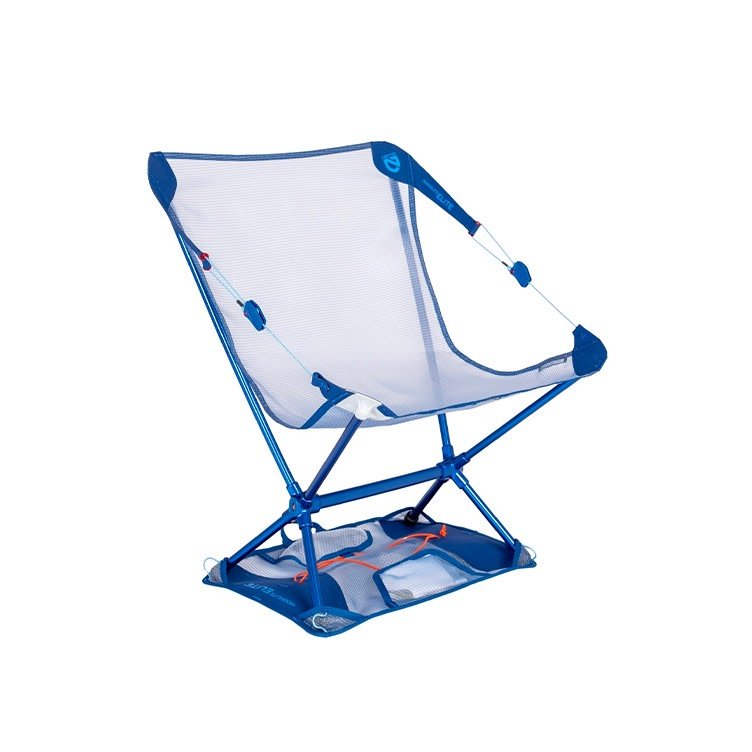
Dedicated lightweight chairs have evolved to offer varied seating positions while keeping materials minimal. The Nemo Equipment Moonlite Elite Reclining Backpacking Chair represents a category of freestanding chairs that prioritize adjustable comfort. By utilizing minimalist webbing and a tension system, it allows the user to recline, shifting the center of gravity and providing different angles of back support. When considering this style of chair, assess the durability of the reclining hardware, as moving parts introduce new potential failure points. Additionally, verify the stability of the chair on uneven ground, as reclining shifts weight backward, increasing the risk of tipping.
For those who prefer to sit closer to the ground and wish to save weight, chair sleeves like the Therm-a-Rest Trekker Chair utilize your existing inflatable sleeping pad to create a supportive seat with a backrest. This method is highly weight-efficient, as the frame is minimal—often just a few carbon or aluminum stays—and relies on the pad's internal air pressure for structure. The primary drawback is the necessity of inflating and deflating the pad outside the tent, increasing the risk of punctures from thorns or sharp rocks. You must ensure the sleeve is compatible with your specific pad's width, length, and inflated thickness.
Camp tables serve a distinct purpose for cooking in snowy, sandy, or highly uneven environments. The SOTO Trail Table provides a rigid, metallic surface that creates a stable, heat-resistant platform for canister stoves, preventing them from tipping or melting into the snow. Conversely, items like the Hammock Gear Schwarze Biene Big Mama Table cater to specific shelter systems, offering a surface that can be ground-staked or integrated into a hammock setup, solving the issue of uneven ground directly beneath a suspended shelter. The choice between a freestanding table and a specialized system depends entirely on your shelter style and cooking habits.

The steps

Common mistakes
- Buying a chair based solely on its overall weight without checking the packed dimensions, resulting in a bulky item that requires awkward external strapping.
- Failing to clear the ground of sharp rocks, pine needles, or thorns before setting down a chair sleeve containing a fragile inflatable sleeping pad.
- Assuming all camp tables are stable enough for boiling water; many lightweight tables have significant wobble that makes operating a top-heavy stove dangerous.
- Ignoring the static weight capacity limits of lightweight chairs, which can lead to catastrophic hub failure if overloaded by a hiker wearing a heavy pack.
Checklist
- Calculate your total available weight budget for accessories.
- Measure your pack's internal width to ensure the folded poles will fit.
- Verify the weight capacity of the chair against your body weight plus winter clothing.
- Check the fabric denier and reinforcement patches on the seat sling pockets.
- Confirm the table surface material aligns with your stove and cooking setup.
- Determine if you need aftermarket mud feet or a ground sheet for your chair.
- Test the assembly process to ensure you can set it up with cold hands.
FAQ
Are lightweight camp chairs bad for your back?
Can I use a chair sleeve with a self-inflating pad?
How do I stop my camp chair from sinking into the sand or snow?
Is a camp table necessary for a canister stove?
How do I clean the fabric of my camp chair?
The bottom line
Choosing camp furniture requires a realistic assessment of your trail habits and a strict adherence to your pack's weight budget. By prioritizing durable hubs, appropriate surface materials, and manageable packed volumes, you can select pieces that provide genuine physical recovery without hindering your daily mileage.
Related guides
Keep building your system with these closely related guides.
Further reading
Authoritative sources to go deeper on the topics above.