Hiking Boots vs Trail Runners: What the Weights Show
How we did this: we compared per-shoe weights from the makers’ own pages, checked on 29 Sep 2026 (Scarpa’s on 22 Sep), and noted the size each maker weighs. We have not worn these shoes.
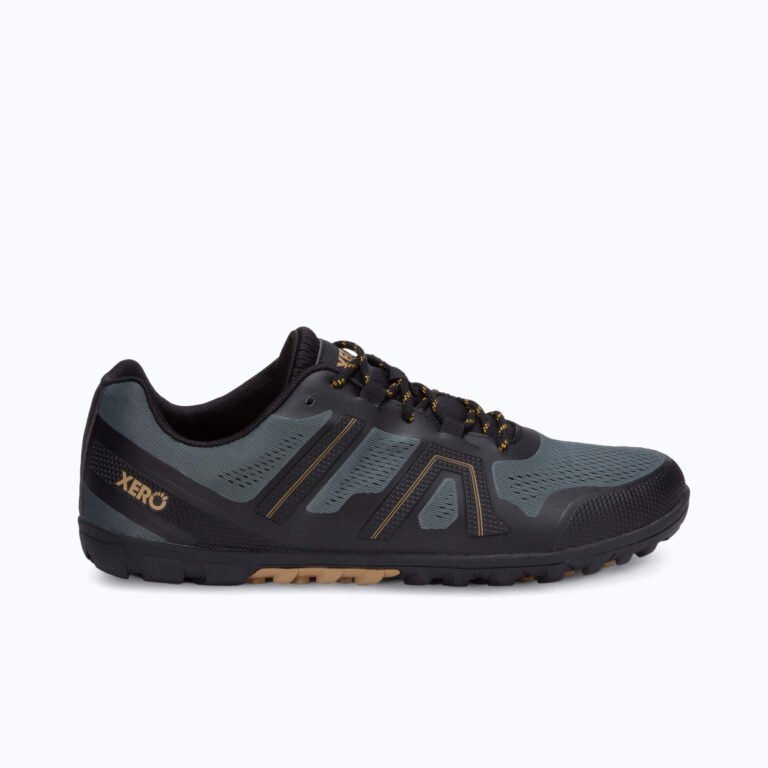
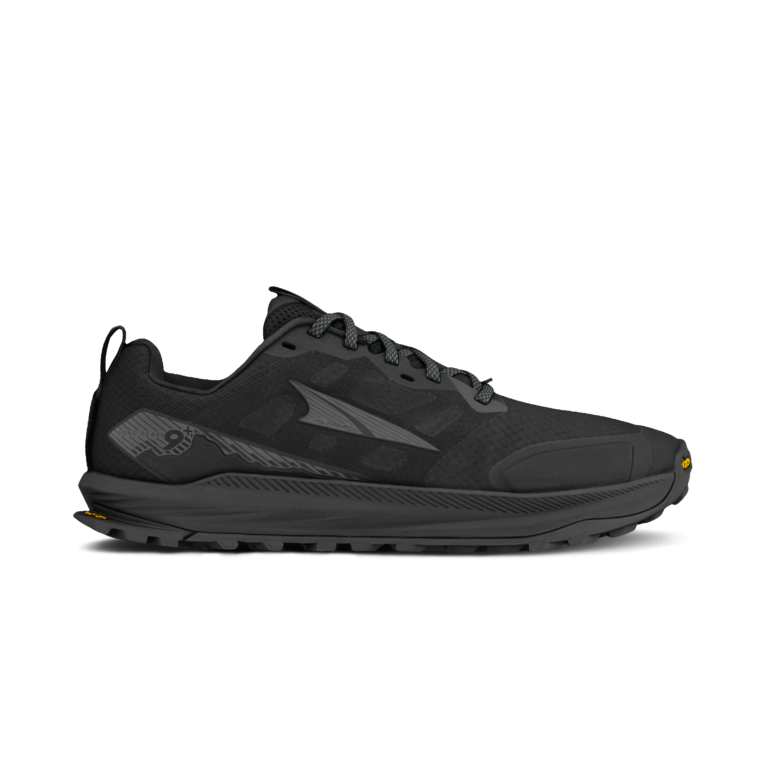
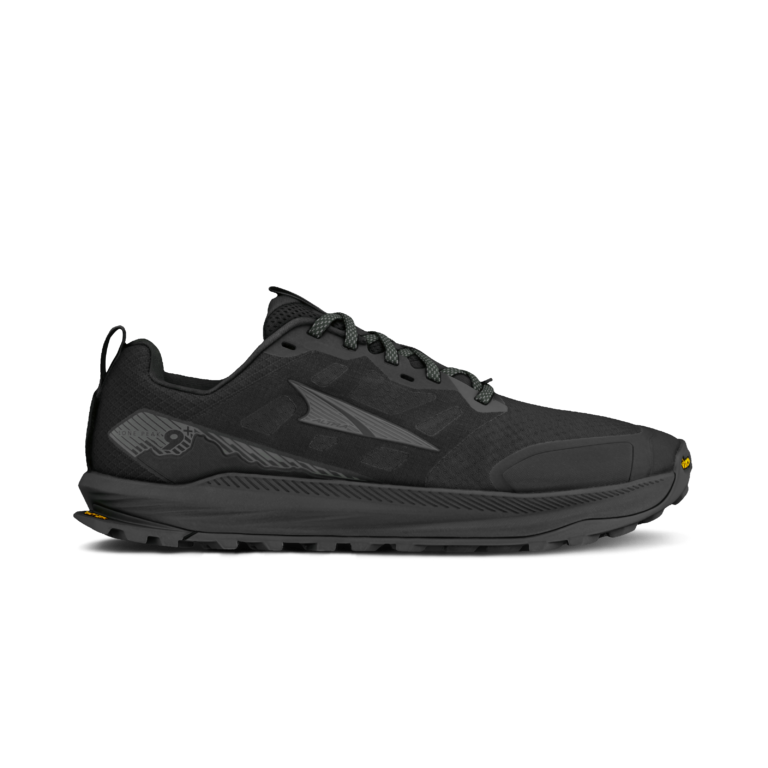
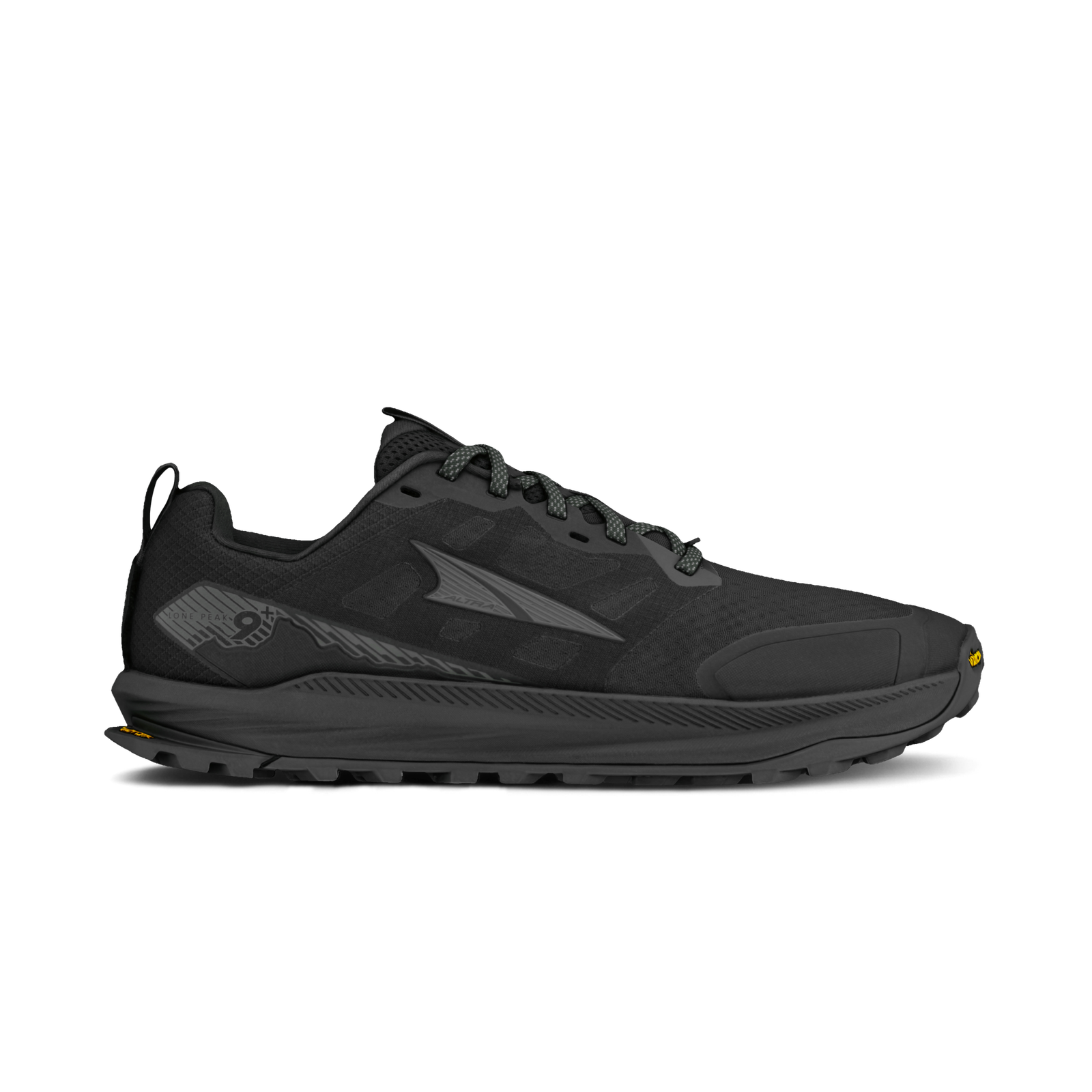
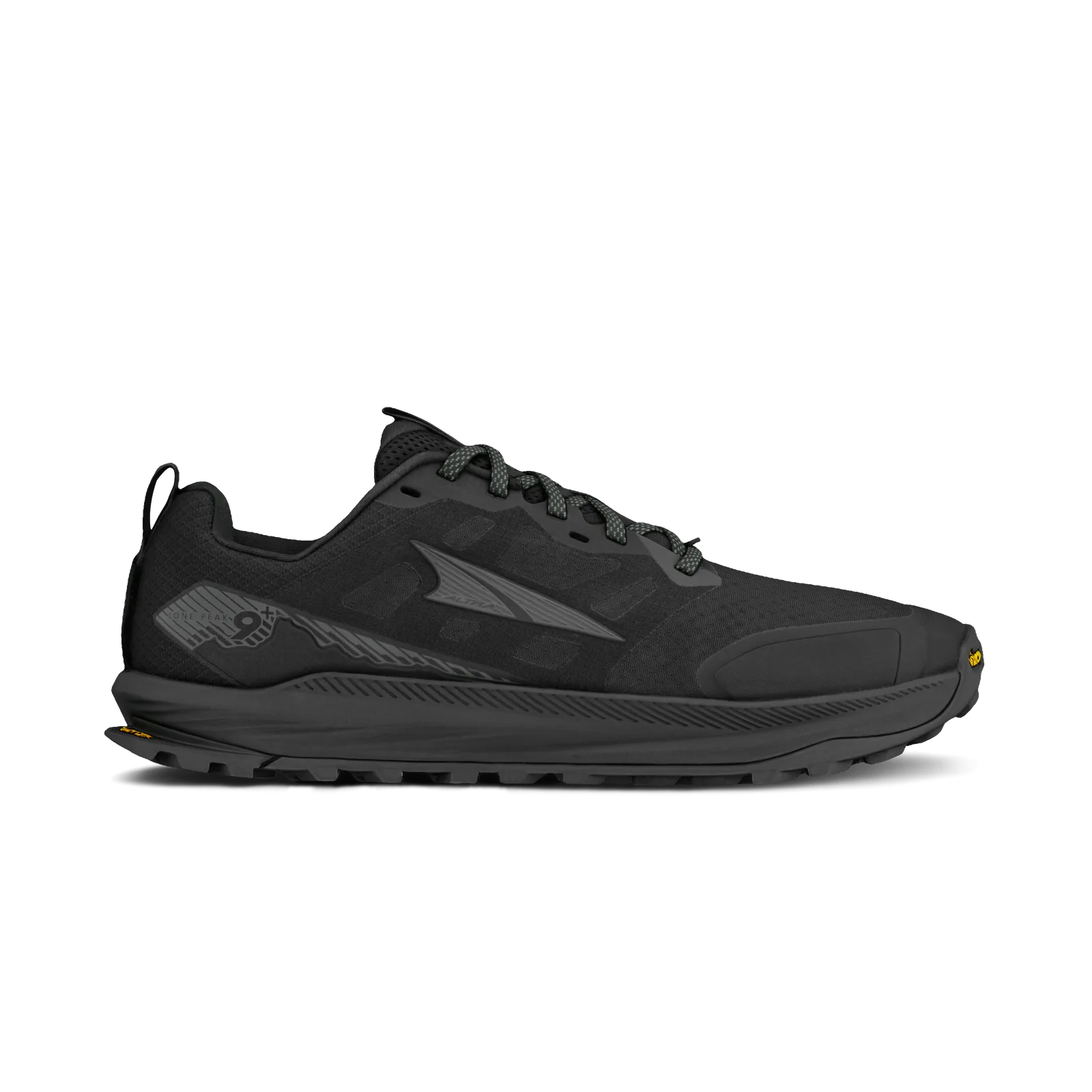
Hiking boots vs trail runners is less of a weight gap than it used to be. By the makers’ own figures, the Hoka Speedgoat 7 trail runner weighs 9.7 oz per shoe and the Altra Lone Peak 9+ 11.55 oz. Xero’s waterproof Scrambler Mid II WP boot is 12.2 oz, barely more; Scarpa’s Rush 2 Pro Mid GTX is 16.0 oz. So pick by terrain, weather and fit, then check the scale.
Hiking boots vs trail runners: weights per shoe
| Shoe | Type | Weight per shoe | Size weighed | Drop | Waterproof |
|---|---|---|---|---|---|
| Hoka Speedgoat 7 | Trail runner | 9.7 oz | Men’s 9 | 4–5 mm | No |
| Altra Lone Peak 9+ | Trail runner | 11.55 oz | Not stated | 0 mm | No |
| Xero Scrambler Mid II WP | Mid boot | 12.2 oz | Men’s 9 | Zero drop | Yes |
| Kuru ATOM Trail | Trail shoe | 12.3 oz | Not stated | 8 mm | Not listed |
| Scarpa Rush 2 Pro Mid GTX | Mid boot | 16.0 oz | Men’s EU 42 | Not listed | Yes, GORE-TEX |
Sources: makers’ pages, linked, checked 29 Sep 2026; Hoka figures as verified in our Speedgoat 7 comparison; Scarpa’s from its spec sheet, checked 22 Sep 2026.
A light boot can weigh about the same as a trail runner
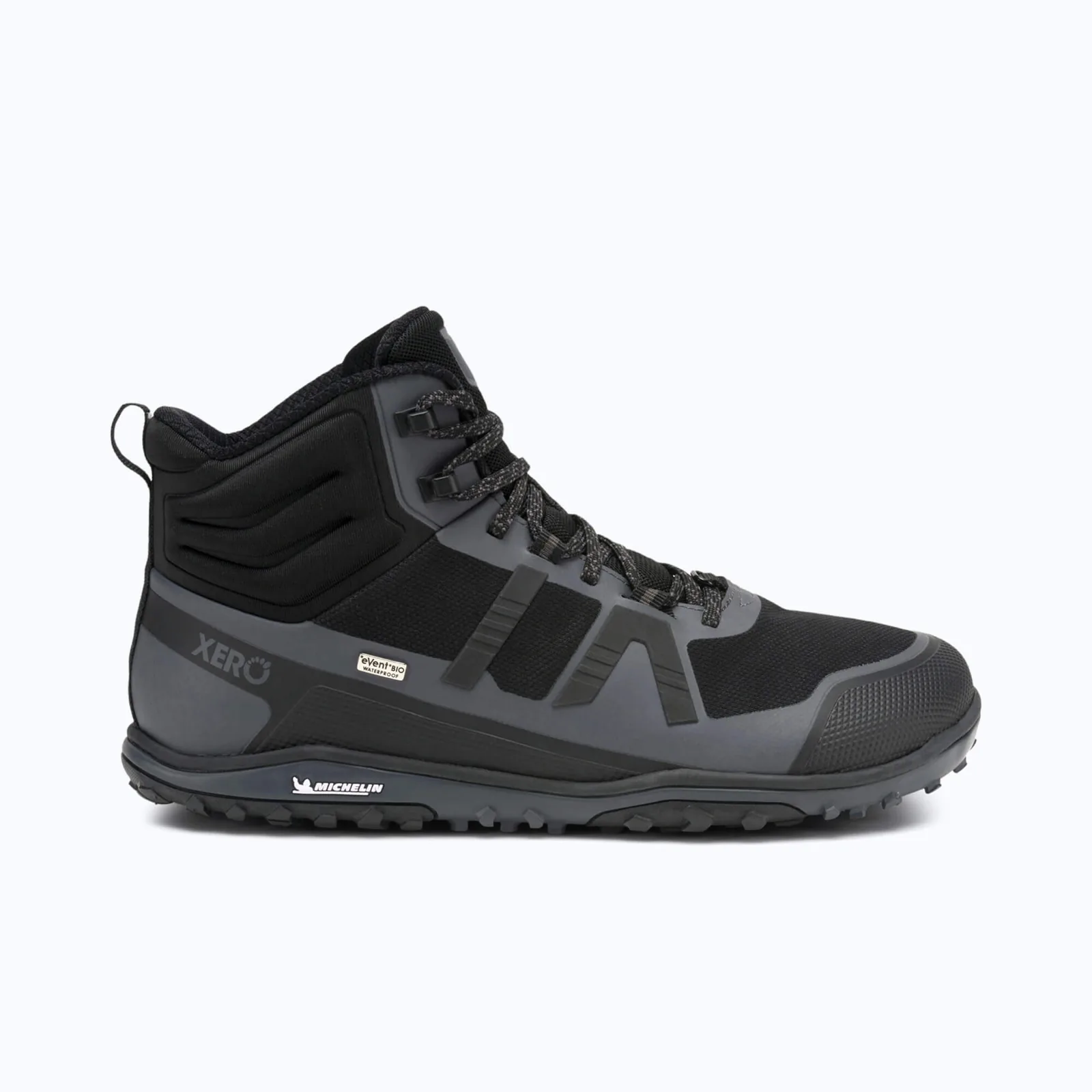
Xero builds the Scrambler Mid II WP as a minimalist boot and says:
“Averaging just 12.2 oz per boot (men’s 9), a pair of the Scrambler Mid II WP weighs less than just one single boot from most other companies.”
Xero Shoes, Scrambler Mid II WP page
That puts it within an ounce of the Lone Peak 9+ trail runner. The catch is underfoot: Xero calls the thick-looking sole “an illusion,” a thin TrailFoam layer, so it gives ankle coverage and waterproofing without a conventional boot’s cushioning. A traditional mid boot like Scarpa’s Rush 2 Pro Mid GTX weighs about 4 oz more per foot.
When trail running shoes make sense for backpacking
- Warm, dry or well-maintained trail, where drying fast matters more than keeping water out.
- Light loads, within what your pack and ankles are comfortable with.
- Long days where every ounce on your feet adds up over thousands of steps.
When boots make sense
- Cold, wet or snowy conditions, where a waterproof membrane keeps outside water out.
- Rough, off-trail ground where you want ankle coverage.
- Heavier loads, if you prefer a stiffer shoe under them.
Kuru ATOM Trail
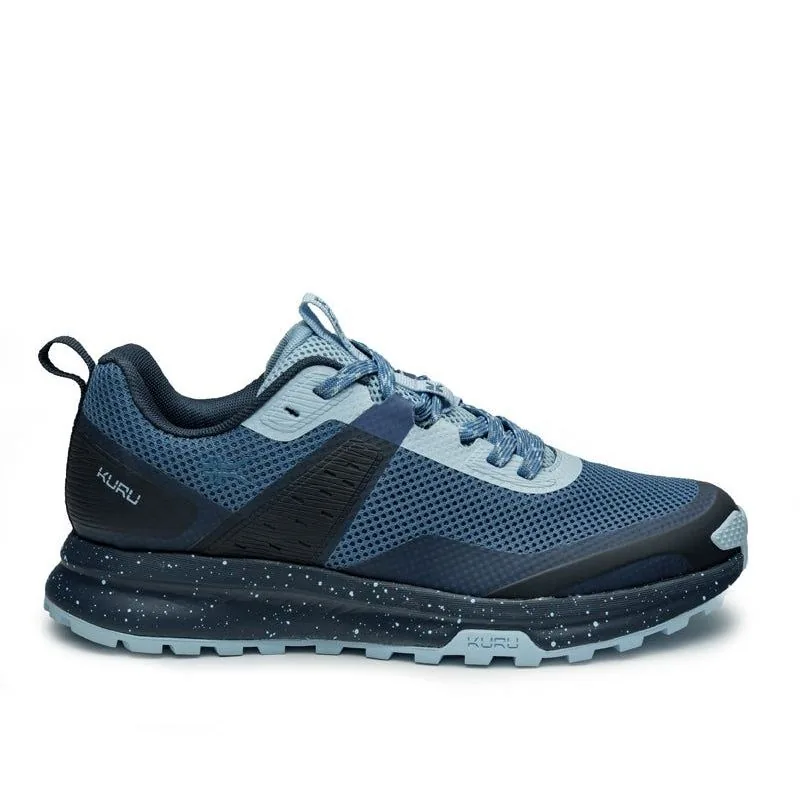
Kuru lists the ATOM Trail at 12.3 oz with an 8 mm drop, a synthetic upper with TPU overlays and vegan materials, for $169. It sits between the zero-drop shoes and conventional hikers in drop, and Kuru pitches it for hiking, walking and rugged terrain.
Check price →FAQ
Hiking boots vs trail runners: which is lighter?
Are trail running shoes good for backpacking?
How heavy is the Kuru Atom Trail?
Are waterproof boots worth it?
What is heel drop?
The bottom line
Trail runners are lighter, from 9.7 oz per shoe, but light boots have closed the gap: Xero’s waterproof Scrambler Mid II WP is 12.2 oz. Choose trail runners for warm, dry trails and fast drying, and a waterproof mid for cold, wet or rough ground.
Related guides
Keep building your system with these closely related guides.