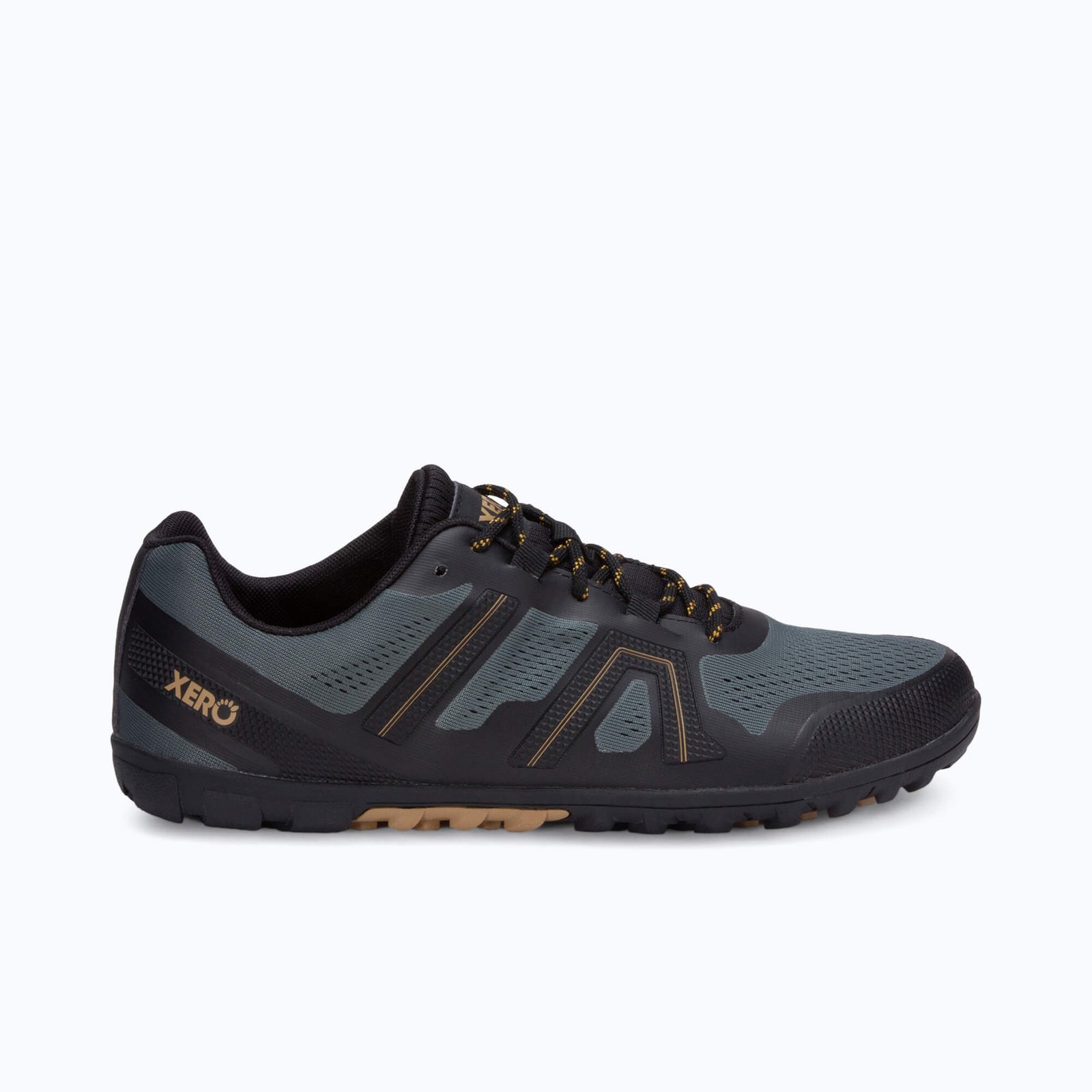
Xero Mesa Trail II vs Altra Lone Peak 9+: Trail Shoe Showdown
The Xero Mesa Trail II and Altra Lone Peak 9+ sit at opposite ends of the trail-runner spectrum, one built around a minimalist, zero-drop, barefoot-style philosophy and the other around Altra's cushioned, wide-toe-box take on natural movement. Both get compared constantly because they're go-to picks for hikers who want a zero-drop platform without a traditional boot's weight or stiffness, but they arrive at that goal from very different directions.
The verdict up front
For most experienced hikers who want cushioning, protection, and a shoe that can handle long miles with a loaded pack, the Lone Peak 9+ is the stronger overall choice. The Mesa Trail II wins clearly on weight, price, and for hikers specifically chasing a minimalist, ground-feel-first ride. Budget-conscious hikers and minimalist converts should lean Xero; anyone doing serious mileage, carrying real pack weight, or wanting more underfoot protection should lean Altra.
| Spec | Mesa Trail II – Men | Men's Lone Peak 9+ |
|---|---|---|
| Weight | 7.8 oz | 11.55 oz |
| Price | $47.99 | $160 |
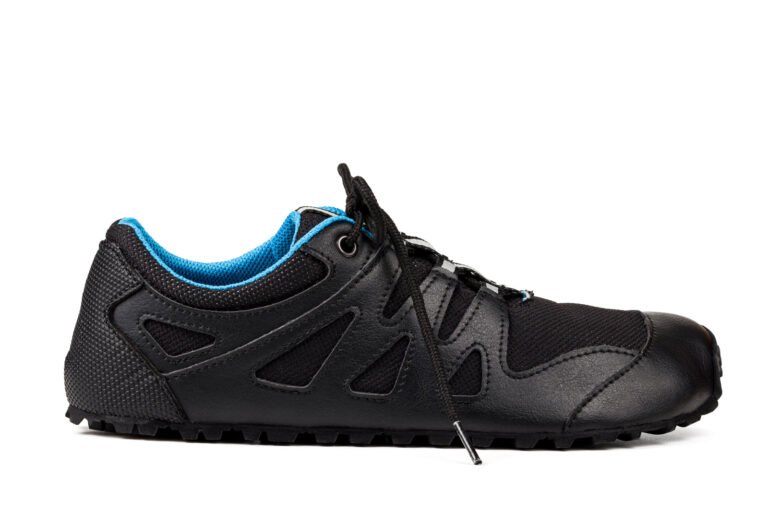
Xero Shoes Mesa Trail II – Men
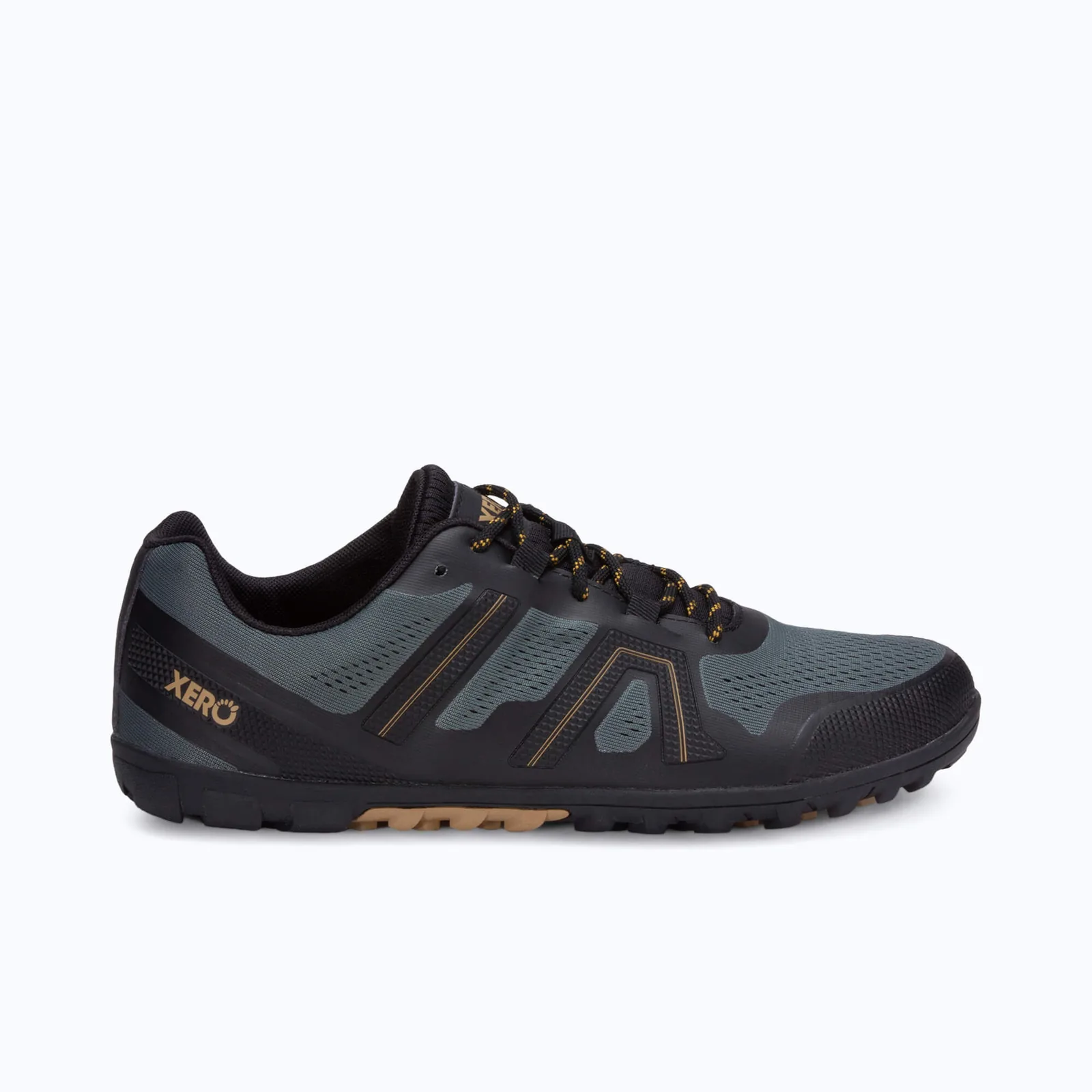
- Significantly lighter at 7.8 oz, reducing swing weight over long days
- Lower price at $119.99, making it accessible for casual or backup use
- Thin, flexible sole promotes natural foot strength and proprioception
- Minimal cushioning offers little protection against sharp rocks or roots on rugged terrain
- Less structure underfoot for hikers carrying heavier backpacking loads
The Mesa Trail II is Xero's trail-oriented minimalist shoe, built on the brand's signature thin, flexible sole. It's designed for hikers who've bought into the barefoot or minimalist movement and want a trail shoe that lets the foot move and flex naturally rather than being controlled by a rigid platform. At 7.8 ounces and $119.99, it undercuts the Lone Peak 9+ substantially on both weight and price, making it an easy entry point or a lightweight second pair. The tradeoff is protection: with a thin sole, rocky or root-heavy terrain transmits more directly to the foot than it would in a more cushioned shoe.
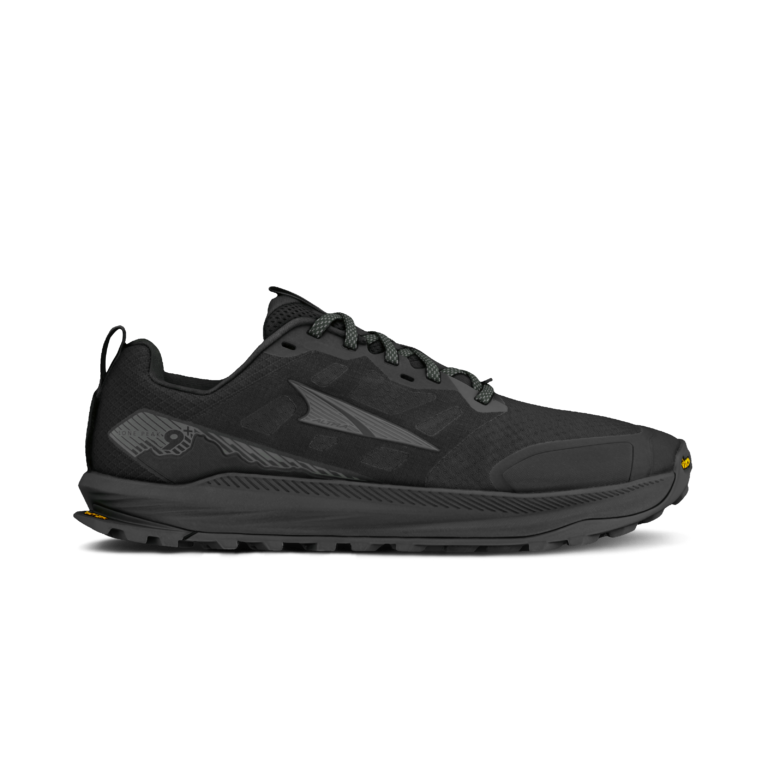
Check price →Altra Men's Lone Peak 9+
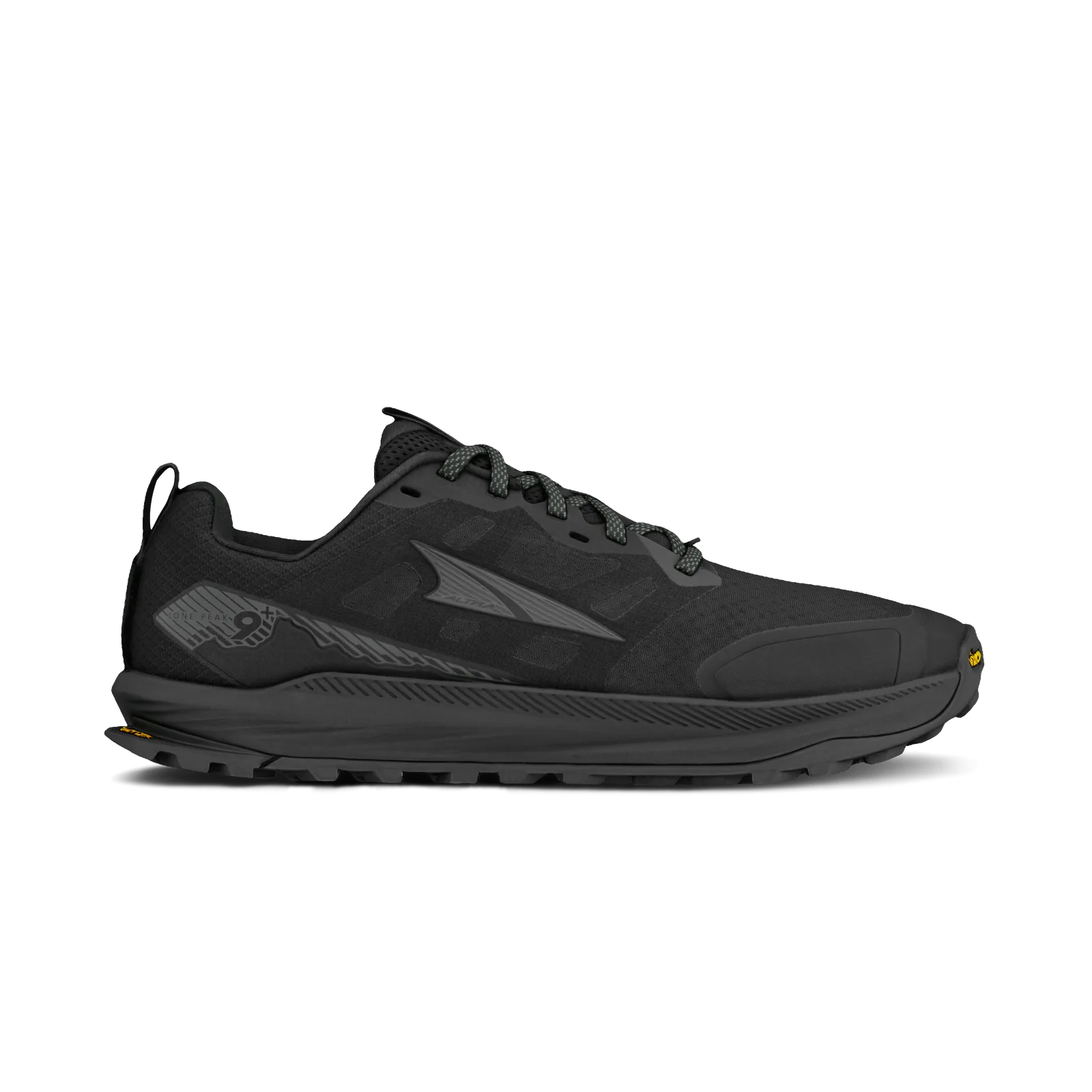
- Substantially more cushioning for comfort over long mileage and multi-day trips
- Altra's signature wide toe box allows natural toe splay, reducing hot spots and blisters
- More structured, protective platform for use with a loaded backpack
- Nearly 4 oz heavier per shoe, adding noticeable cumulative weight over a thru-hike
- Higher priced than the Mesa Trail II
The Lone Peak 9+ is Altra's flagship trail shoe and arguably the most popular zero-drop hiking and thru-hiking shoe on the market, worn widely on trails like the Appalachian and Pacific Crest. It pairs zero-drop geometry with a genuinely cushioned midsole and Altra's FootShape toe box, aiming to deliver natural foot mechanics without sacrificing comfort or protection the way a truly minimalist shoe does. At 11.55 ounces and $160, it costs more and weighs more than the Mesa Trail II, but that extra material buys underfoot protection and durability that matter over long trail days. It's the shoe most often recommended to hikers transitioning to zero-drop footwear who still want a familiar level of cushioning.
Check price →Weight
The Mesa Trail II wins this round decisively, weighing 7.8 ounces against the Lone Peak 9+'s 11.55 ounces, a difference of nearly 4 ounces per shoe, or about 7.5 ounces per pair. In hiking, that swing weight compounds over the course of a long day or multi-day trip, since lighter footwear reduces the energy cost of each step. For ultralight-focused hikers who count every ounce in their kit, this gap alone can be a deciding factor. The Lone Peak's extra weight isn't wasted, though, it goes toward cushioning and structure the Mesa Trail II simply doesn't have, so the tradeoff is protection and comfort in exchange for grams.
Fit & sizing
Both shoes use a foot-shaped last designed to accommodate natural toe splay, but Altra's FootShape toe box on the Lone Peak 9+ is the more widely documented and refined version of this design, having been iterated on across nine generations of the model. The Mesa Trail II offers a roomy forefoot as well, consistent with Xero's minimalist design ethos, but it's built on a thinner, more foot-glove-like platform rather than a structured shoe last. Hikers with wider feet or those prone to blisters from toe crowding tend to find the Lone Peak's toe box more accommodating for swelling feet on long days. This round leans toward the Lone Peak 9+ for hikers wanting a true structured fit, though the Mesa Trail II's minimalist upper flexes to the foot in a way some minimalist users prefer.
Cushioning & ride feel
This is the most fundamental difference between the two shoes and the Lone Peak 9+ wins clearly on cushioning. Altra's midsole stack is built for comfort and shock absorption over miles, giving it a plush, protective ride feel appropriate for long-distance hiking. The Mesa Trail II, by contrast, uses a thin, minimal sole by design, prioritizing ground feel and foot strength development over cushioned comfort. Hikers who've transitioned to minimalist footwear and prefer feeling the trail underfoot will actually prefer the Mesa Trail II's ride, but for the majority of hikers accustomed to standard cushioning, the Lone Peak offers a more comfortable, fatigue-reducing experience over distance.
Traction & outsole grip
Both brands design trail-specific outsoles with multidirectional lugs intended for mixed terrain, and neither shoe is a clear loser here, but they suit different conditions. The Lone Peak 9+ uses a Vibram® Megagrip outsole for grip on both wet and dry surfaces, which is a meaningful advantage on variable or slick terrain. The Mesa Trail II's outsole is thinner and more flexible, which can actually improve ground conformity and grip on uneven surfaces even without deep lugs, a benefit of the minimalist design philosophy. For hikers frequently facing wet rock, roots, or technical scrambling, the Lone Peak's dedicated trail compound gives it a slight edge, while the Mesa Trail II's flexibility helps on mixed, less technical terrain.
Stability & underfoot protection
The Lone Peak 9+ wins this round without much contest. Its more substantial midsole and structured platform provide meaningfully more protection from rocks, roots, and uneven ground than the Mesa Trail II's thin sole, which is a defining tradeoff of minimalist footwear. Stability on uneven terrain is also generally better in the Lone Peak thanks to its wider platform and more built-up sidewalls, which matter more when carrying a loaded backpack. The Mesa Trail II demands more foot strength and adaptation from the wearer, since it offers little in the way of a protective buffer between foot and trail. Hikers with weaker foot or ankle stability, or those carrying heavier packs, will find the Lone Peak the safer, more supportive option.
Breathability & drying
Both shoes are typically built with breathable mesh uppers suited to trail use, and neither has a documented significant advantage in ventilation based on the supplied specs. The Mesa Trail II's lighter, more minimal construction may dry marginally faster after water crossings simply due to less material and a thinner sole absorbing less water. The Lone Peak 9+'s more substantial upper and midsole can retain a bit more moisture, though Altra has continued to refine mesh breathability across generations of the Lone Peak line. This round is close enough that it shouldn't be a deciding factor for most buyers, though ounce-for-ounce the Mesa Trail II likely dries faster given its lighter build.
Durability & expected mileage
The Lone Peak 9+ generally holds up to higher mileage before showing wear, a reasonable expectation given its more substantial midsole and outsole material, and it has a well-documented track record among thru-hikers logging hundreds to over a thousand miles per pair. The Mesa Trail II's thinner sole and lighter overall construction likely mean a shorter functional lifespan under heavy mileage, though its low price makes replacement far less costly. For hikers who put in serious annual mileage, the Lone Peak's durability-to-cost ratio over time may actually close some of the upfront price gap. For occasional hikers or those doing shorter trips, the Mesa Trail II's lower durability ceiling matters less relative to its much lower cost.
Terrain & use-case fit
The Lone Peak 9+ is the more versatile shoe across terrain types, from rocky alpine trails to long-distance dirt paths, given its documented history as a go-to thru-hiking shoe on trails like the PCT and CDT. The Mesa Trail II suits smoother, less technical trails and shorter outings better, where its minimalist sole doesn't need to contend with sharp rock or heavy pack loads for extended periods. Neither shoe is designed for snow or serious winter conditions, and both lack insulation, but the Lone Peak's added structure gives it a slight edge in mixed or unpredictable terrain. Hikers sticking to well-maintained trails or day hikes will find the Mesa Trail II perfectly adequate, while those tackling varied or technical terrain benefit more from the Lone Peak's protection.
Value
On pure price, the Mesa Trail II is the clear winner at $119.99 versus $160, offering lower cost, and for casual hikers, backups, or budget-limited buyers that price gap is decisive. But value isn't only about upfront cost, and the Lone Peak 9+'s added cushioning, protection, and documented durability under high mileage make its cost per mile more competitive than the sticker price suggests for serious hikers. If the metric is dollars spent for baseline zero-drop trail footwear, Xero wins outright. If the metric is comfort and capability per dollar for someone hiking regularly and pushing real mileage, the Lone Peak 9+'s value proposition holds up better despite the higher price.
Which wins for your kind of hiking
For thru-hiking or long-distance backpacking with a loaded pack, the Lone Peak 9+ is the stronger choice. Its added cushioning and structure matter more the longer you're on trail and the more weight you're carrying, and its documented track record among thru-hikers on major long trails reflects that suitability. The Mesa Trail II's minimal sole, while excellent for shorter outings, isn't built with the sustained protection that back-to-back long days demand.
For weekend trips and day hikes on moderate terrain, both shoes perform well, and the choice comes down to personal preference for ride feel. Hikers who like a minimalist, ground-feel-first experience and want to save weight and money will be well served by the Mesa Trail II. Hikers who want more cushioning and are willing to carry the extra few ounces will prefer the Lone Peak 9+, especially if the trip includes any rocky or technical sections.
For tight budgets or hikers testing out minimalist footwear for the first time, the Mesa Trail II is the lower-risk entry point at $119.99, letting someone try the minimalist philosophy without a major investment. Neither shoe is designed for winter conditions or heavy snow, so hikers needing cold-weather performance should look outside this comparison entirely. For hikers who already know they prefer more cushioning and plan to log serious annual mileage, the Lone Peak 9+'s higher upfront cost is easier to justify given its durability and comfort over distance.
Which should you buy?
Choose the Mesa Trail II if weight and price are your top priorities, if you're an experienced minimalist hiker who wants ground feel over cushioning, or if you're testing zero-drop footwear for the first time without committing to a higher price point. Choose the Lone Peak 9+ if you're logging serious mileage, carrying a loaded backpack, or hiking technical or rocky terrain where underfoot protection matters. Hikers transitioning from traditional cushioned boots or shoes will generally find the Lone Peak 9+ an easier adjustment, since it retains meaningful cushioning while introducing zero-drop mechanics. Those who already hike in minimalist footwear or are drawn to that philosophy will find the Mesa Trail II a natural, low-cost fit. Budget is a legitimate deciding factor here given the price difference, and it shouldn't be dismissed for casual or occasional hikers. For most experienced hikers doing regular mileage, though, the Lone Peak 9+'s balance of protection, cushioning, and documented trail pedigree makes it the safer default pick.
FAQ
Is the Xero Mesa Trail II good for beginners to zero-drop shoes?
Which shoe is better for a thru-hike like the PCT or AT?
Can the Mesa Trail II handle rocky or technical terrain?
Is the price difference between these two shoes justified?
The bottom line
The Lone Peak 9+ is the stronger all-around hiking shoe, offering more cushioning, protection, and a proven track record for serious mileage, and it earns its higher price for hikers who put real distance and pack weight through their footwear. The Mesa Trail II remains an excellent, genuinely capable option for minimalist hikers, shorter trips, and anyone prioritizing weight and cost above all else. Neither shoe is objectively wrong, they're built for different philosophies of trail footwear. Match the shoe to your terrain, mileage, and cushioning preference rather than defaulting to price or brand reputation alone.
Related guides
Keep building your system with these closely related guides.
- Altra Lone Peak 9+ Review: The Zero-Drop Standard Reworked
- Trail Runners vs Boots: Lightweight Agility vs Ankle Support
- Trail Runners vs Boots: Lightweight Agility vs Ankle Support
- 3 Best Ultralight Trail Runners That Won’t Weigh You Down
Further reading
Authoritative sources to go deeper on the topics above.