Backpacking Base Weight: What the Big Three Weigh and Cost
How we did this: we built three Big Three kits (pack, shelter, sleep system) only from gear whose weight and price we checked on the makers’ own pages on 29 Sep 2026, at comparable sizes: packs in medium, sleep systems rated 30°F, shelters without stakes. We have not field-tested these kits.
Backpacking base weight is everything you carry except food, water and fuel. The biggest share is usually the Big Three: pack, shelter and sleep system. Built from makers’ figures, a value Big Three weighs 4.5 lb for about $814, and the lightest 3.0 lb for about $1,457.
Backpacking base weight: three real Big Three kits
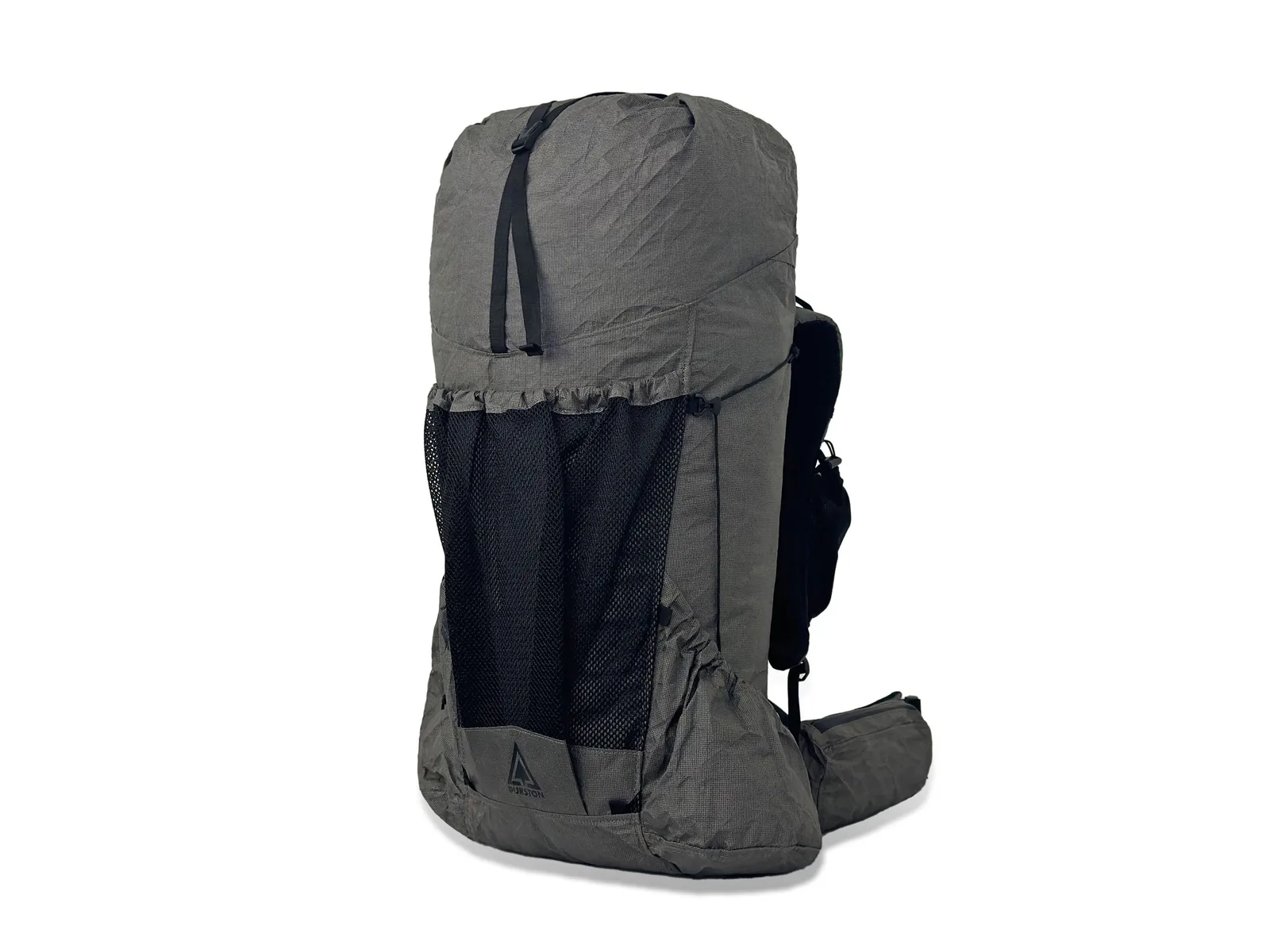
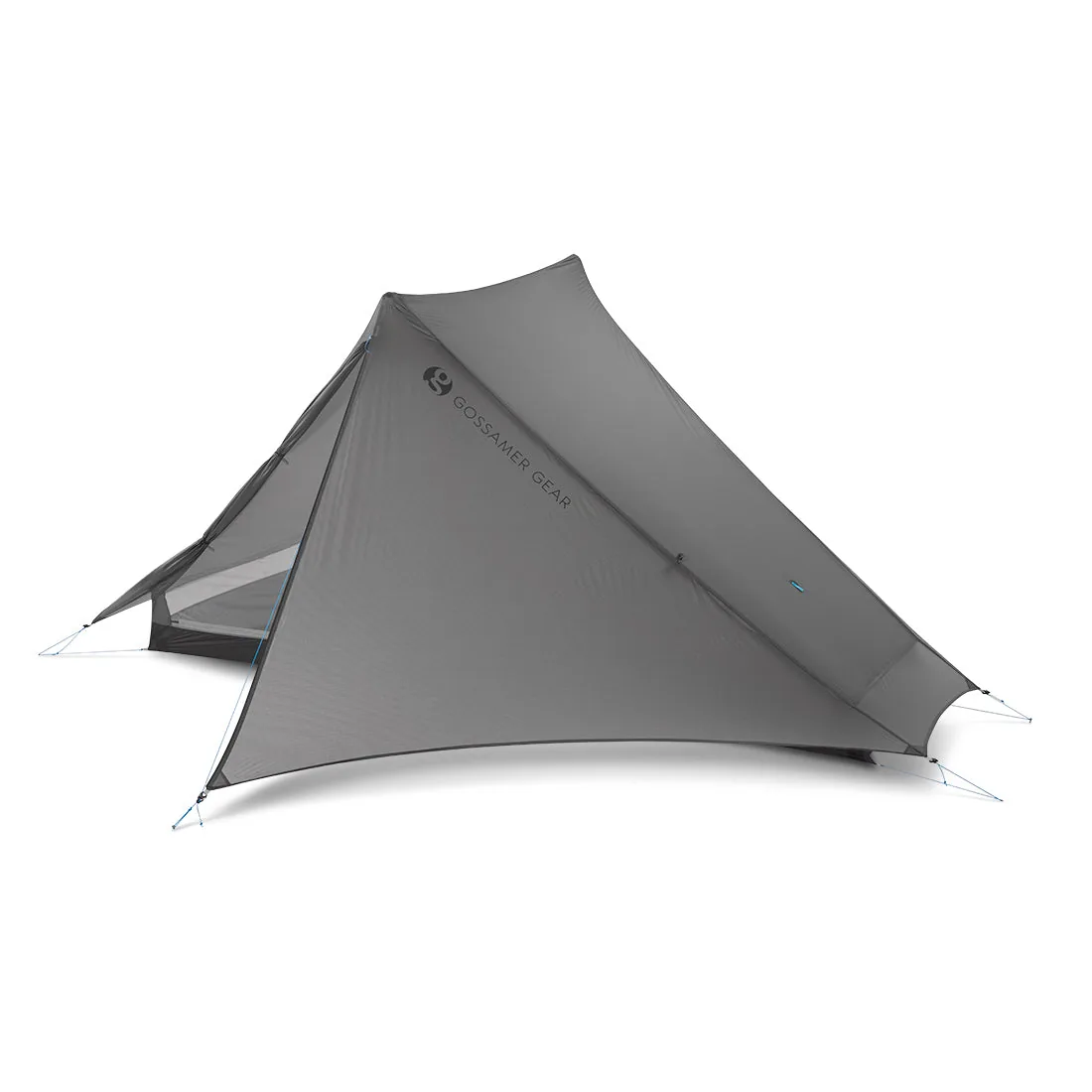
| Kit | Item | Weight | Price |
|---|---|---|---|
| Value | Durston Kakwa 55 (UltraGrid, M) | 30.6 oz | $199 |
| Gossamer Gear The One (shelter) | 19.68 oz | $315 | |
| Hammock Gear Burrow 30°F (standard, 20D) | 21.8 oz | $299.95 | |
| Big Three total | 72.1 oz (4.50 lb) | $814 | |
| Middle | Gossamer Gear G4-20 42 (M) | 24.8 oz | $205 |
| Durston X-Mid Pro 1 (Dyneema floor) | 15.5 oz | $599 | |
| Enlightened Equipment Revelation 30°F (850, Reg/Reg) | 18.98 oz | $345 | |
| Big Three total | 59.3 oz (3.71 lb) | $1,149 | |
| Lightest | Zpacks Arc Haul Ultra 60 (M torso) | 22.5 oz | $399 |
| Zpacks Plex Solo Classic (Lite floor) | 12.3 oz | $599 | |
| Zpacks Classic Sleeping Bag 30°F (Std-Med) | 13.8 oz | $459 | |
| Big Three total | 48.6 oz (3.04 lb) | $1,457 |
Sources: each maker’s product page, linked, checked 29 Sep 2026. Totals are our sums. Add a sleeping pad and stakes to reach your real base weight.
What each ounce off your base weight costs
| Upgrade | Saves | Costs | Per ounce |
|---|---|---|---|
| Value kit to middle kit | 12.8 oz | $335 | $26 |
| Middle kit to lightest kit | 10.7 oz | $308 | $29 |
| Value kit to lightest kit | 23.5 oz | $643 | $27 |
The Big Three get lighter in steps of a pound or more, but each step costs more money. Before buying, try the free step: weigh everything, and leave behind what you did not use on your last trip.
How to reduce your base weight, step by step
- Weigh everything. A kitchen scale and a spreadsheet show where the ounces are. Record the maker’s size and what is included, because makers count stakes, poles and belts differently.
- Remove before you replace. Anything you did not use on your last two trips, apart from safety items, is the cheapest weight to cut.
- Start with the Big Three. They are the largest items, so the savings are biggest, as the table above shows.
- Match the pack to the new load. A lighter load lets you use a lighter pack, but stay within its load rating; frameless packs like the Gossamer Gear Kumo 36 are rated 20 lb for comfort.
- Then the small items. Dry bags, cook kit and electronics add up; see our per-liter dry bag comparison.
Compare each category in detail
- Packs: Ultralight Backpacks: 8 Packs Compared
- Shelters: 1 Person Ultralight Tent: 7 Solo Tents
- Sleep systems: Backpacking Quilt vs Sleeping Bag and Sleeping Bag Temperature Ratings
FAQ
What is backpacking base weight?
What counts as ultralight base weight?
How much does the Big Three weigh?
What is the cheapest way to cut base weight?
Does worn clothing count in base weight?
The bottom line
Your backpacking base weight is decided mostly by the Big Three. Built from makers’ own figures, they run from 4.5 lb for about $814 to 3.0 lb for about $1,457. Cut what you do not use first; then buy lighter gear where each ounce costs least.
Related guides
Keep building your system with these closely related guides.