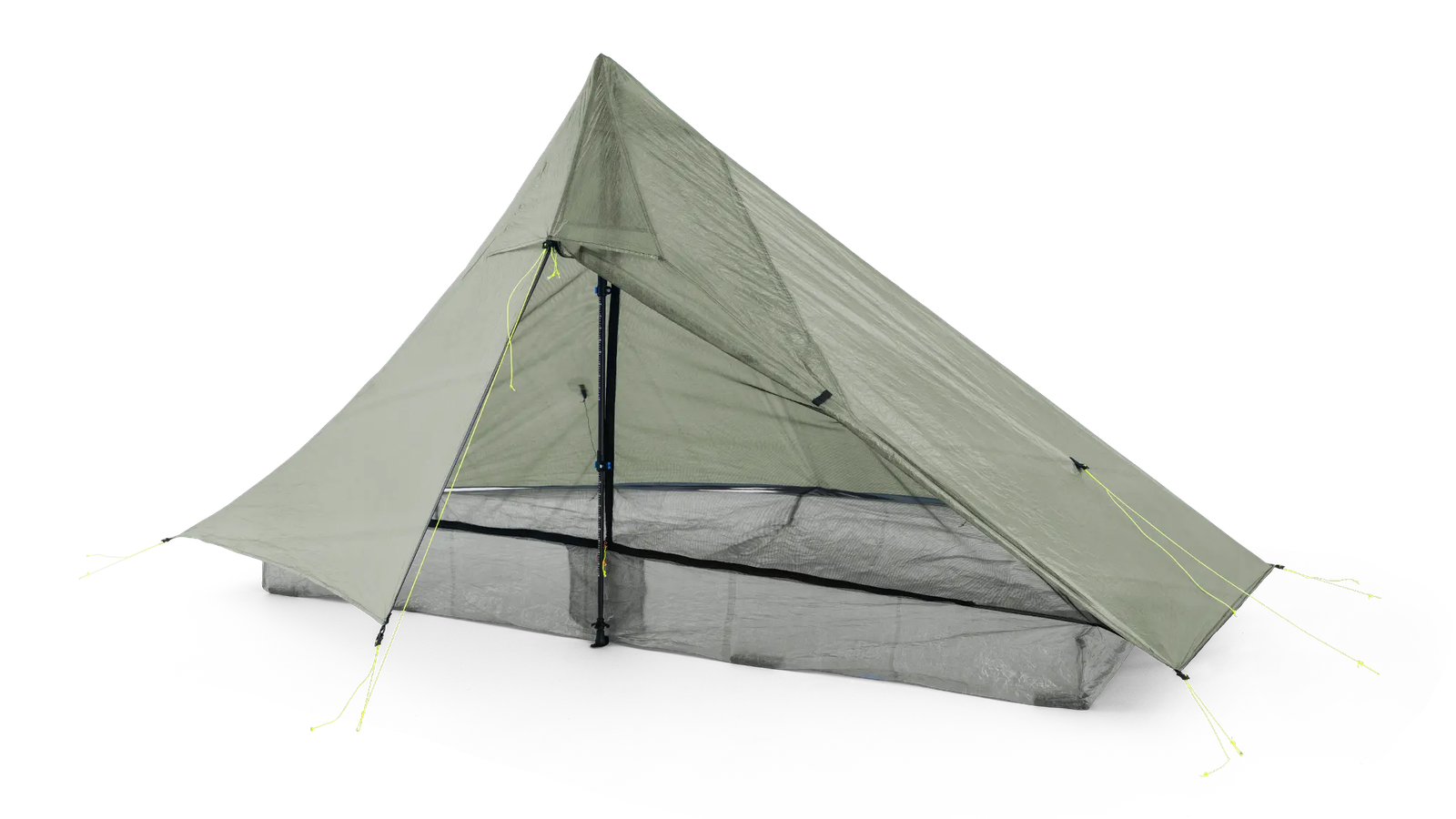
The Best Ultralight 3-Season Tents for the PCT

How we did this: we analyzed the manufacturer-published specifications for 8 products — weight, capacity, price and material — alongside documented design differences. We have not field-tested them.
Planning a continuous hike of the 2,650-mile Pacific Crest Trail requires a shelter that balances minimal weight with reliable storm protection. This guide examines the most effective 3-season tents for a northbound thru-hike window, focusing on structures that handle high Sierra winds, desert dust, and the persistent rain of the Pacific Northwest. The recommendations prioritize packability and low base weight to offset the heavy food and water carries demanded by the route.
- Shelter weight must be minimized to offset long water carries, such as the 26-mile dry stretch on the Hat Creek Rim.
- Trekking pole tents dominate the trail, but freestanding options offer advantages on the loose, rocky soil found near Cutthroat Pass.
- Strict bear canister regulations across the Sierra Nevada and Northern California demand a compact tent that leaves room in your pack for rigid food storage.
- A northbound thru-hike window from mid-April to October exposes hikers to everything from desert heat to freezing rain, requiring a true 3-season shelter.
What this trail demands
The official length of the Pacific Crest Trail is 2,650 miles, crossing through California, Oregon, and Washington. A northbound thru-hike typically begins at the southern terminus between mid-April and mid-May, aiming for a finish in September or October. This specific weather window forces hikers to carry a shelter capable of handling intense desert UV exposure, high-elevation storms in the Sierra Nevada, and the cold, persistent rain often encountered in the Cascade Range during the final weeks of the trek.
Terrain on the PCT dictates shelter design and pitching strategies. Hikers will encounter sandy desert washes, solid granite slabs in the high Sierra, and steep terrain with loose, rocky soil due to significant rockfall, particularly around areas like the section approximately 4 miles north from Cutthroat Pass. These varied surfaces require a tent that can be pitched securely with minimal natural anchors, or one that utilizes a highly adaptable guying system.
Water and food logistics heavily influence base weight targets. There is often no water available for approximately 26 miles along the Hat Creek Rim portion of the PCT, forcing hikers to carry several liters of water at once. Additionally, mandatory bear canister regulations throughout much of California and Washington consume significant pack volume and add fixed weight. A lightweight, highly packable 3-season tent is necessary to keep overall pack weight manageable during these strenuous sections.
- Forester Pass: The highest point on the entire trail sits at an elevation of 13,180 feet, exposing shelters to severe alpine winds and sudden storms.
- Hat Creek Rim: A notorious 26-mile dry stretch requiring massive water carries, making a lightweight shelter critical for preserving energy.
- Cutthroat Pass Rockfall: Steep terrain with loose, rocky soil makes staking difficult, testing the stability of non-freestanding shelters.
- Bear Canister Mandates: Extensive regulations in Yosemite, Sequoia and Kings Canyon, Inyo, Desolation Wilderness, and Lassen require compact tents to save pack space.
- Northern Terminus Logistics: The PCT Canada permit program has ended, meaning hikers must finish at a designated port of entry, often requiring shelters to withstand late-season Washington weather while navigating alternate exit routes.
A realistic base weight
A realistic base weight target for a PCT thru-hike is between 10 and 15 pounds. This target is driven by the necessity to carry heavy bear canisters through the Sierra Nevada and to manage extended water carries in the desert and Northern California. Keeping your shelter well under two pounds allows you to absorb the fluctuating weight of food and water without exceeding the comfortable load limit of an ultralight backpack.
The kit, role by role
Solo Shelter
Zpacks Plex Solo Pro

- Extremely low 13.8 oz weight
- Dyneema Composite Fabric does not absorb water
- Single trekking pole setup is fast and efficient
- Requires precise staking on loose soil
- High price point for a solo shelter
The Plex Solo Pro Tent weighs just 13.8 oz, making it an optimal choice for hikers looking to offset the heavy water carries required in sections like the 26-mile dry stretch on the Hat Creek Rim. Constructed from Dyneema Composite Fabric, the shelter will not sag when wet, which is highly beneficial during prolonged rain in the Cascade Range. The single-pole design provides a steep pitch to shed wind, a necessity when camping near exposed areas like Forester Pass at 13,180 feet. However, its reliance on solid stake placements means hikers must be diligent when setting up in the steep, loose, rocky soil found north of Cutthroat Pass. For thru-hikers prioritizing sheer weight reduction, this tent answers the demands of the trail's longest sections.
Check price →Stormworthy Solo Shelter
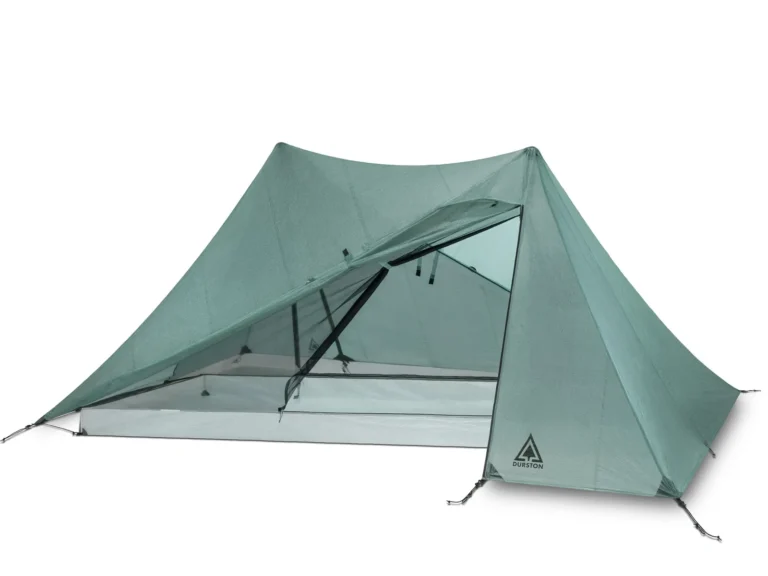
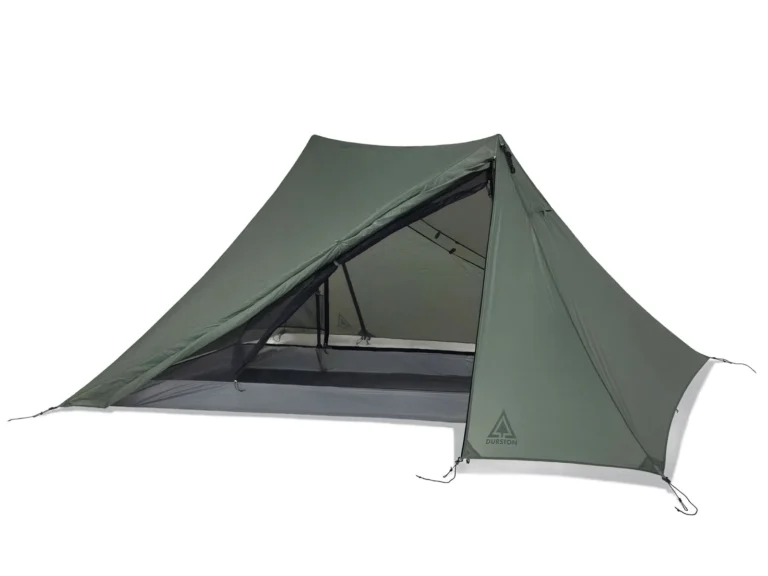
Durston Gear X-Mid Pro 1

- Offset pole design maximizes interior volume
- DCF material provides excellent weather resistance
- Pitches with just four stakes in ideal conditions
- Requires two trekking poles
- Large footprint can be difficult to fit into tight campsite spaces
The X-Mid Pro 1 utilizes an offset dual-pole geometry that creates a highly wind-resistant structure, essential for the unpredictable storms encountered near the boundary of Sequoia and Kings Canyon National Parks. At 1 lbs, the DCF construction keeps the shelter light while ensuring it remains taut during the cold rains typical of a late-season Washington finish. The geometry allows for exceptional headroom, giving hikers space to sit up and organize gear while waiting out afternoon thunderstorms. While it can be pitched with only four stakes on solid ground, the large rectangular footprint requires a flat, clear area, which can occasionally be challenging to find in the dense forests of Oregon. This shelter provides a robust barrier against the elements without pushing base weights into uncomfortable territory.
Check price →Budget Solo Shelter
Gossamer Gear The One

- Accessible price point for a thru-hike budget
- Lightweight at 19.7 oz
- Excellent ventilation for desert sections
- Silnylon fabric can sag when wet
- Requires more stakes for a taut pitch than some competitors
The One offers a highly functional trekking pole design at a price of $315, providing an accessible entry point for hikers preparing for the 2,650-mile journey. Weighing 19.7 oz, it keeps base weight manageable for the rigorous climbs up to Forester Pass and the long, dry stretches of Southern California. The silnylon construction is durable and packs down remarkably small, leaving ample room in a backpack for the hard-sided bear canisters required in the Desolation Wilderness. Because silnylon absorbs some moisture and stretches, hikers will need to re-tension the guylines during rainstorms in the Pacific Northwest to maintain structural integrity. This tent delivers reliable 3-season performance for those who prioritize packability and budget.
Check price →High-Volume Solo Shelter
Six Moon Designs Lunar Solo Backpacking

- Hexagonal shape sheds wind effectively
- Spacious interior for a solo tent
- Very affordable at $260
- 26 oz weight is heavier than DCF alternatives
- Large footprint requires careful site selection
The Lunar Solo Backpacking Tent provides a massive amount of interior space for a single hiker, which is invaluable when forced to spend hours inside during the persistent rain common in the Mt. Baker-Snoqualmie and Okanogan-Wenatchee National Forests. At 26 oz, it remains light enough for a thru-hike while offering a hexagonal canopy that sheds high winds effectively. The single-pole setup is intuitive, though achieving a perfect pitch requires practice, especially in the loose, rocky soil of the northern Cascades. The $260 price tag makes it a highly attractive option for hikers who have already spent heavily on mandatory gear like bear canisters and trail runners. It serves as a reliable, roomy refuge for the duration of the northbound window.
Check price →Spacious Solo / Minimalist Duo
Zpacks Duplex Pro

- Two doors and vestibules for excellent livability
- 19 oz weight is exceptionally light for the floor space
- Dyneema fabric offers superior tear resistance
- High $799 price point
- Requires two trekking poles and substantial staking
The Duplex Pro Tent is a staple on the Pacific Crest Trail, offering enough floor space for a solo hiker to bring all their gear inside, or for two minimalist hikers to share the load. At 19 oz, the Dyneema construction provides a completely waterproof barrier that will not stretch during the freezing rain often encountered as hikers approach the Canadian border. The dual vestibules offer protected storage for shoes and wet gear, while the symmetrical design handles shifting winds in the high Sierra with ease. The primary challenge is securing the necessary stakes in the steep, rocky terrain near Cutthroat Pass, as the structure relies entirely on tension. For those willing to invest, it provides an unmatched ratio of interior volume to weight.
Check price →Two-Person Shelter
Durston Gear X-Mid Pro 2+

- True two-person capacity with ample headroom
- Offset poles prevent blocking the entryways
- Weighs only 19.2 oz
- Large footprint limits campsite options
- Expensive investment for a shelter
The X-Mid Pro 2+ expands on the offset geometry of its solo counterpart, providing a true two-person shelter that weighs an astonishing 19.2 oz. This weight allows hiking partners to split the shelter and carry less than 10 oz each, freeing up critical capacity for the mandatory bear canisters required from the Friday before Memorial Day through October in the Rae Lakes Loop area. The DCF canopy ensures the tent remains taut and sheds water instantly during severe weather events. Finding a flat, obstacle-free space large enough for its footprint can be difficult in the dense timber of Oregon, but the livability it offers during a five-month thru-hike is substantial. It is the premier choice for pairs handling the entire length of the trail.
Check price →Freestanding Two-Person Shelter
Big Agnes Copper Spur UL2

- Fully freestanding design requires minimal staking
- Excellent headroom and vertical walls
- Double-wall construction manages condensation well
- Heavy at 42 oz
- Dedicated poles add bulk to the pack
The Copper Spur UL2 offers a setup that is a massive advantage when camping on the solid granite slabs of the Sierra Nevada or loose, rocky soil. Because it does not rely on stakes for its primary structure, hikers can set up camp quickly in sub-optimal locations. The double-wall design excels at managing condensation during cold, humid nights in the Pacific Northwest. However, it is significantly heavier than trekking pole alternatives, meaning hikers will feel the extra weight during the 26-mile water carry on the Hat Creek Rim. It is best suited for hikers who prioritize ease of setup and structural independence over absolute weight savings.
Check price →Semi-Freestanding Solo Shelter
Nemo Equipment Hornet OSMO™ Ultralight Backpacking

- Dedicated pole system is easy to assemble
- Small footprint fits into tight campsites
- Double-wall design prevents contact with condensation
- Weighs 1 lb 13 oz, heavier than DCF options
- Requires staking at the foot end for full volume
The Hornet OSMO™ Ultralight Backpacking Tent offers a traditional setup experience without relying on trekking poles. It is heavier than specialized ultralight shelters but remains well within the acceptable range for a continuous hike of 500 miles or more. The small footprint is highly advantageous in the crowded campsites of Southern California and the narrow ridges of Washington. The tent's fabric resists sagging better than standard silnylon, maintaining interior volume during rainstorms. Hikers must still ensure solid stake placement at the foot end to maximize space, but the primary structure is stable and reliable across the diverse microclimates of the trail.
Check price →Weights at a glance
| Role | Item | Weight | Price |
|---|---|---|---|
| Solo Shelter | Plex Solo Pro | 13.8 oz | $649 |
| Stormworthy Solo Shelt | X-Mid Pro 1 | 15.5 oz | $599 |
| Budget Solo Shelter | The One | 19.7 oz | $315 |
| High-Volume Solo Shelt | Lunar Solo Backpacking | 26 oz | $260 |
| Spacious Solo / Minima | Duplex Pro | 19 oz | $799 |
| Two-Person Shelter | X-Mid Pro 2+ | 19.2 oz | $719 |
| Freestanding Two-Perso | Copper Spur UL2 | 42 oz | $599.95 |
| Semi-Freestanding Solo | Hornet OSMO™ Ultralig… | 29.0 oz | $459.95 |

Water Strategy and Desert Carries
The initial 700 miles of the Pacific Crest Trail present significant hydration challenges, forcing hikers to manage long distances between reliable water sources. The most notorious of these is the Hat Creek Rim in Northern California, where there is often no water available for approximately 26 miles. To safely navigate these stretches, hikers must carry multiple liters of water, which adds massive, fluctuating weight to their packs. One liter of water weighs 2.2 pounds, meaning a five-liter carry adds 11 pounds instantly.
This reality dictates the necessity of an ultralight shelter. By reducing the weight of the tent to under two pounds, hikers can absorb the weight of the water without exceeding the suspension capabilities of an ultralight backpack. Tents constructed from Dyneema Composite Fabric (DCF) or lightweight silnylon are critical here, as they keep the static base weight low, preserving the hiker's energy and reducing strain on the lower body during the hottest, most exposed sections of the trail.
Bear Canister Regulations and Pack Volume
Food storage regulations on the PCT are strict, legally enforced, and geographically extensive. Yosemite National Park requires PCT hikers to carry a bear canister between Glen Aulin and Sonora Pass. In the Rae Lakes Loop area of Sequoia and Kings Canyon National Parks, canisters are required from the Friday before Memorial Day through October. Furthermore, in eight specific areas of the Inyo National Forest, it is mandatory to store food and refuse in a container designed to prevent access by bears. These requirements extend north, with all overnight visitors to the Desolation Wilderness required to use a hard-sided canister, and Lassen Volcanic National Park mandating them from April 16 to November 30. Even in Washington, bear-resistant food storage is necessary in the Mt. Baker-Snoqualmie and Okanogan-Wenatchee National Forests.
Bear canisters are rigid, bulky, and consume a massive portion of a backpack's internal volume. This makes the packability of a tent just as important as its weight. Shelters that utilize trekking poles rather than dedicated tent poles save significant space, and thin materials like silnylon or modern DCF can be compressed or folded flat against the back panel of the pack. A bulky tent paired with a hard-sided canister will often force a hiker to buy a larger, heavier backpack, initiating a cascade of weight increases that makes the trail significantly harder.
Pitching in Challenging Terrain
The 2,650-mile route covers a vast array of geological surfaces, directly impacting how a shelter is pitched. In the high Sierra, hikers frequently camp on solid granite slabs where driving a stake into the ground is impossible. Here, hikers must rely on the 'big rock, little rock' method to anchor guylines. Further north, approximately 4 miles north from Cutthroat Pass, the trail features steep terrain with loose, rocky soil due to significant rockfall. In these conditions, standard titanium hook stakes often pull out under tension.
Hikers must choose between the weight savings of a trekking pole tent, which requires secure anchors to remain upright, and the structural independence of a freestanding tent. If carrying a trekking pole tent, upgrading to longer, wider stakes (such as Easton aluminum nails or wide V-stakes) for the primary guylines is necessary to handle the loose soil of the Cascades and the sandy washes of the Mojave.
Permits, Fire Regulations, and the Northern Terminus
Bureaucracy and regulations shape the daily routine of a PCT thru-hike. A long-distance permit is issued by the PCTA for continuous hikes of 500 miles or more, which simplifies logistics across multiple land management agencies. For example, hikers with a valid interagency PCT long-distance permit can camp in the Yosemite Wilderness without an additional permit. Furthermore, while the Deep Creek Area Closure extends 50 feet out from both sides of the creek, hikers with a valid PCT Long-distance Permit may use specific spur trails.
Fire regulations are equally strict. A California Campfire Permit is required to use a stove, lantern, or build a campfire on much of the PCT within California. Because open fires are frequently banned due to extreme wildfire risk, hikers spend their evenings in their tents rather than around a fire, making the livability and headroom of a shelter highly important. Finally, logistical planning must account for the end of the trail: the Pacific Crest Trail permit program for entering Canada has ended. Anyone completing the Canadian portion must use a designated port of entry, which often requires hiking back out to a US trailhead, extending the time spent in the harsh, late-season weather of the northern Cascades.
Mistakes to avoid on this trail
- Carrying a heavy, traditional freestanding tent that pushes total pack weight to unmanageable levels during the 26-mile dry stretch on the Hat Creek Rim.
- Failing to account for the internal pack volume required by hard-sided bear canisters in the Desolation Wilderness and Lassen Volcanic National Park, resulting in gear strapped haphazardly to the outside of the pack.
- Relying on short, minimalist titanium stakes that pull out easily in the loose, rocky soil found approximately 4 miles north of Cutthroat Pass.
- Assuming a tarp without bug netting is sufficient for the entire trail, ignoring the intense mosquito pressure in the Sierra Nevada and the Oregon cascades during the mid-summer melt.
- Planning to illegally cross into Canada at the northern terminus, ignoring the fact that the PCT Canada permit program has ended and hikers must use a designated port of entry.
FAQ
Do I need a freestanding tent for the Sierra Nevada?
How do bear canister regulations affect my tent choice?
Will a 3-season tent survive the weather at Forester Pass?
Can I use a hammock on the PCT?
The bottom line
Selecting a tent for the Pacific Crest Trail is an exercise in balancing weight against weather protection. The sheer length of the trail and the mandatory water and food carries dictate that your shelter must be as light and packable as possible. Whether you opt for the premium weather resistance of a DCF trekking pole tent or the interior volume of a lightweight silnylon shelter, ensure your choice can handle high winds, manage condensation, and fit comfortably alongside a hard-sided bear canister.
Related guides
Keep building your system with these closely related guides.