Tarp vs Tent: What You Give Up, and the Best Backpacking Tarps by Weight
How we did this: we took every weight, size, fabric and price from the makers’ own pages (Zpacks, Hyperlite Mountain Gear, Yama Mountain Gear, Gossamer Gear, Mountain Laurel Designs and Durston Gear), checked between September and 3 October 2026, and compared tarps with tents of the same fabric. Weights are without stakes. We have not field-tested these shelters.
A tarp saves weight over a tent, but less than its bare weight suggests: once you add a bug bivy to match a tent’s mesh and floor, the saving is 4 to 8 oz. What you give up is the enclosure: wind and rain can blow in from the open sides, and your pitch and campsite choice do the work a tent’s walls would. Below are the numbers, then the best backpacking tarps by weight.
Tarp vs tent: the weight you actually save
| Fabric | Tarp + bug bivy | Tent | Saved | Price difference |
|---|---|---|---|---|
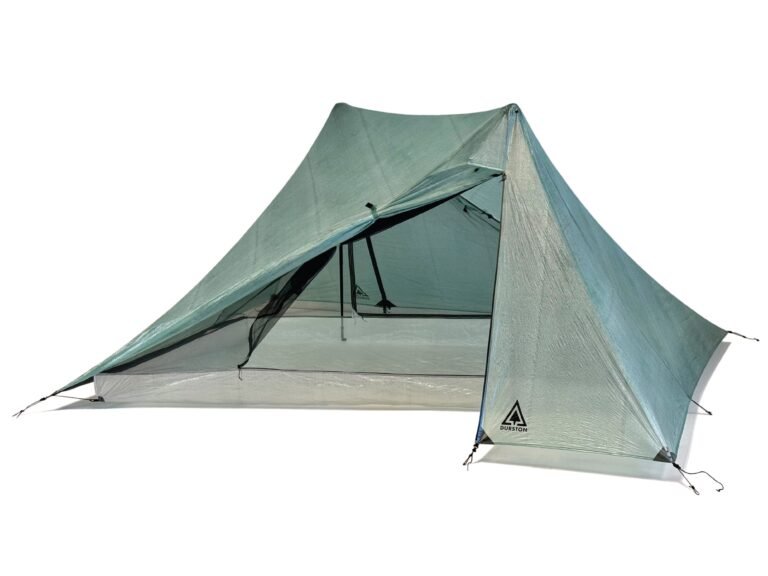
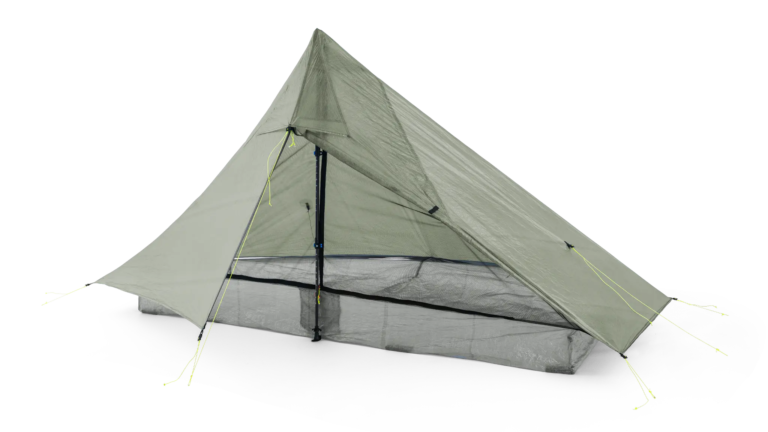
| Silpoly | Yama 7 x 9 Flat Tarp 11.3 oz + Yama Y-zip Bug Bivy 7.4 oz = 18.7 oz, $259 | Durston X-Mid 1, complete tent 26.2 oz, $269 | 7.5 oz | $10 less |
| Dyneema | Zpacks 7 x 9 Flat Tarp 4.7 oz + MLD Bug Bivy 6.5 oz = 11.2 oz, $534 | Durston X-Mid Pro 1, tent 15.5 oz, $599 | 4.3 oz | $65 less |
Sources: maker pages linked in the table. Zpacks’ weight includes guy lines and line locks; Durston’s tent weights exclude stakes; Yama lists 7.4 oz for the bivy alone and 8.4 oz with rigging and stuff sack.
So a tarp system costs about the same as a tent of the same fabric and saves a few ounces. The reasons to choose one are mostly not weight: a tarp gives more open space, more ventilation and more ways to pitch. A tent gives full enclosure, privacy and an easier pitch in a storm.
What you give up with a tarp
- Enclosure: wind-driven rain can reach you through the open ends. A lower pitch helps but cuts headroom.
- Bug protection: none without a bug bivy or net tent, which adds 6.5 to 7.4 oz in the examples here.
- A floor: you need a groundsheet or a bivy with a floor; the MLD and Yama bug bivies both have silpoly floors.
- Easy campsites: a tarp needs a sheltered site and good stake placement. Flat tarps have many tie-outs (8 on the Zpacks 7 x 9, 16 on Hyperlite’s) because you adjust the shape to the weather.
The best backpacking tarps by weight
| Tarp | Weight | Size | Fabric | Price |
|---|---|---|---|---|
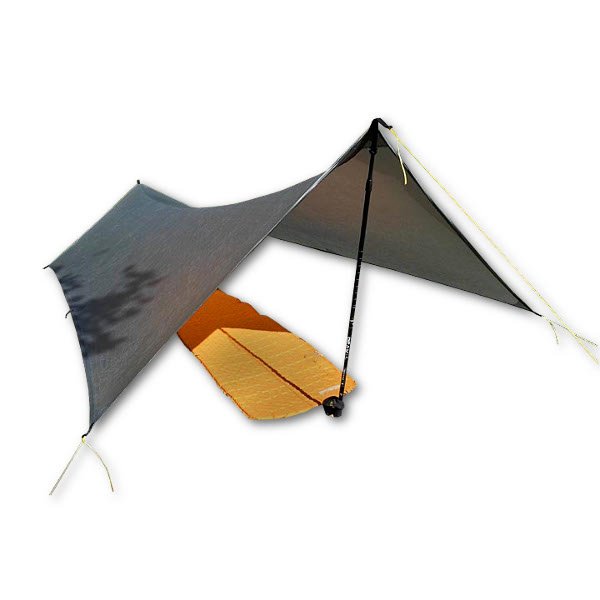
| Zpacks 7 x 9 Flat Tarp | 4.7 oz (132 g) | 7 x 9 ft | Dyneema (bio-based fiber) | $349 |
| Hyperlite Mountain Gear Flat Tarp | 9.0 oz (255 g) | 8’6″ x 8’6″ | Dyneema DCF8 (0.75 oz/sq yd) | $390 |
| Yama Mountain Gear 7 x 9 Flat Tarp | 11.3 oz (321 g) | 7 x 9 ft | 20D recycled silpoly | $160 |
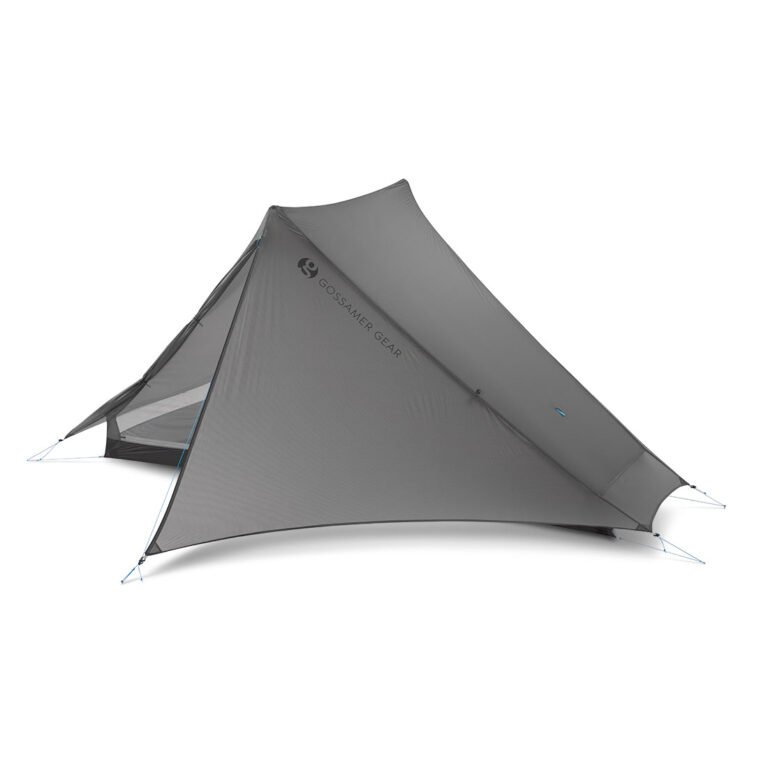
| Gossamer Gear Twinn Tarp | 11.7 oz (332 g) | 122 in long, 47 sq ft | 15D recycled nylon, silicone/PU coated | $175 |
Zpacks 7 x 9 Flat Tarp
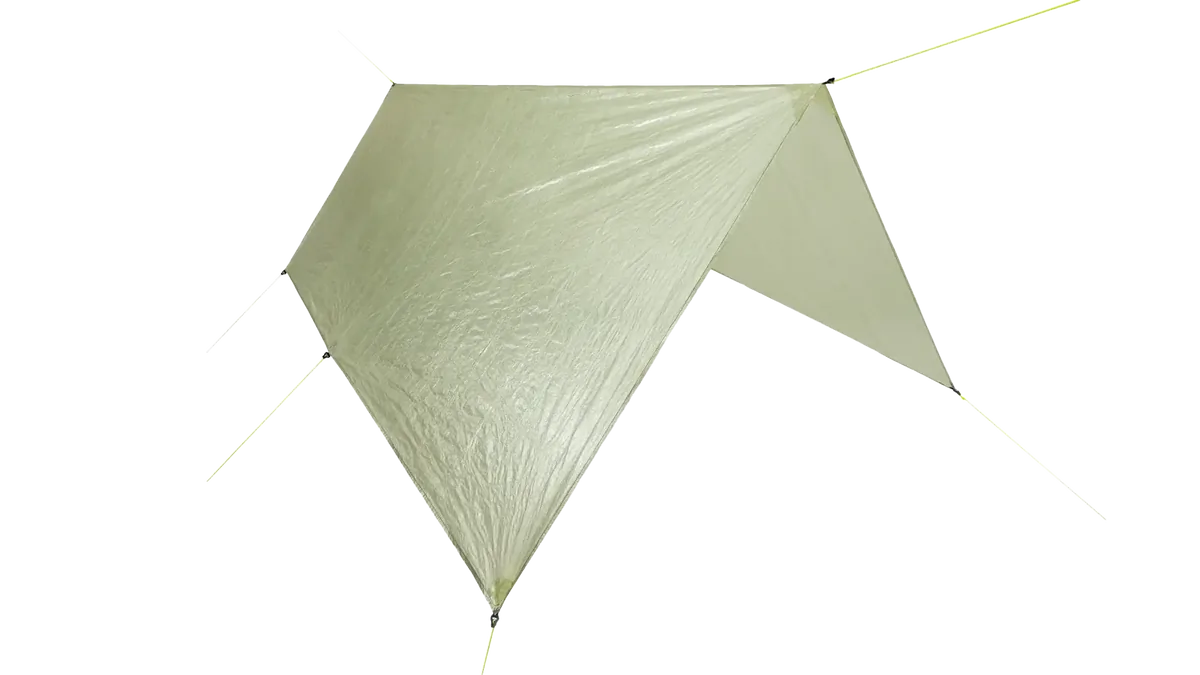
- Lightest tarp here by 4.3 oz
- Dyneema does not sag or absorb water
- Ships with cord and carabiners
- $189 more than the Yama silpoly tarp of the same size
- 7 x 9 ft leaves less margin in sideways rain than 8’6″ square
Hyperlite Mountain Gear Flat Tarp
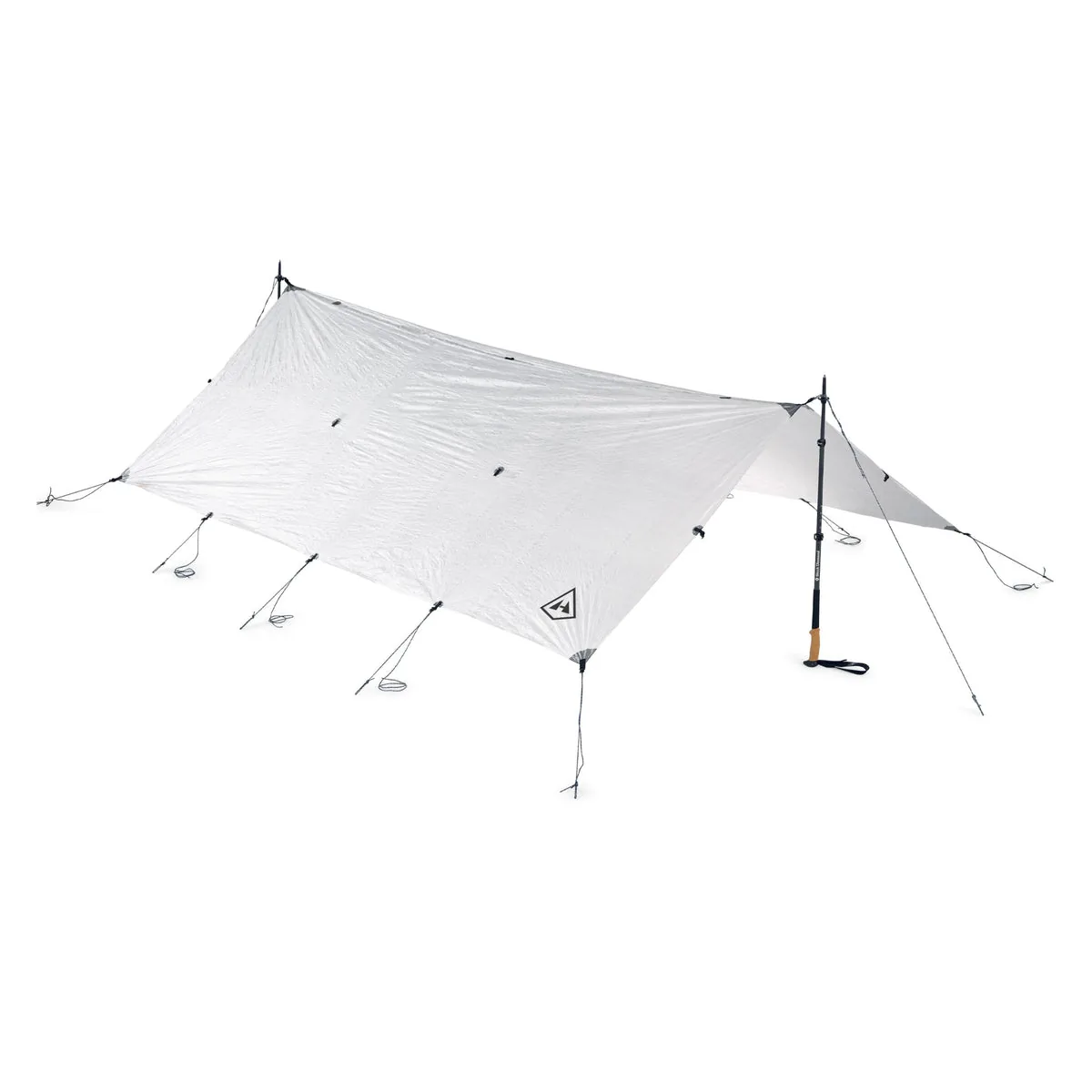
- Square shape pitches in more configurations
- 16 perimeter tie-outs
- Comes in two sizes
- Heaviest Dyneema option here
- Spruce green costs $20 more
Hyperlite’s spec table lists 9.0 oz for the square tarp; the top of the product page shows 10.6 oz.
Check price →Yama Mountain Gear 7 x 9 Flat Tarp
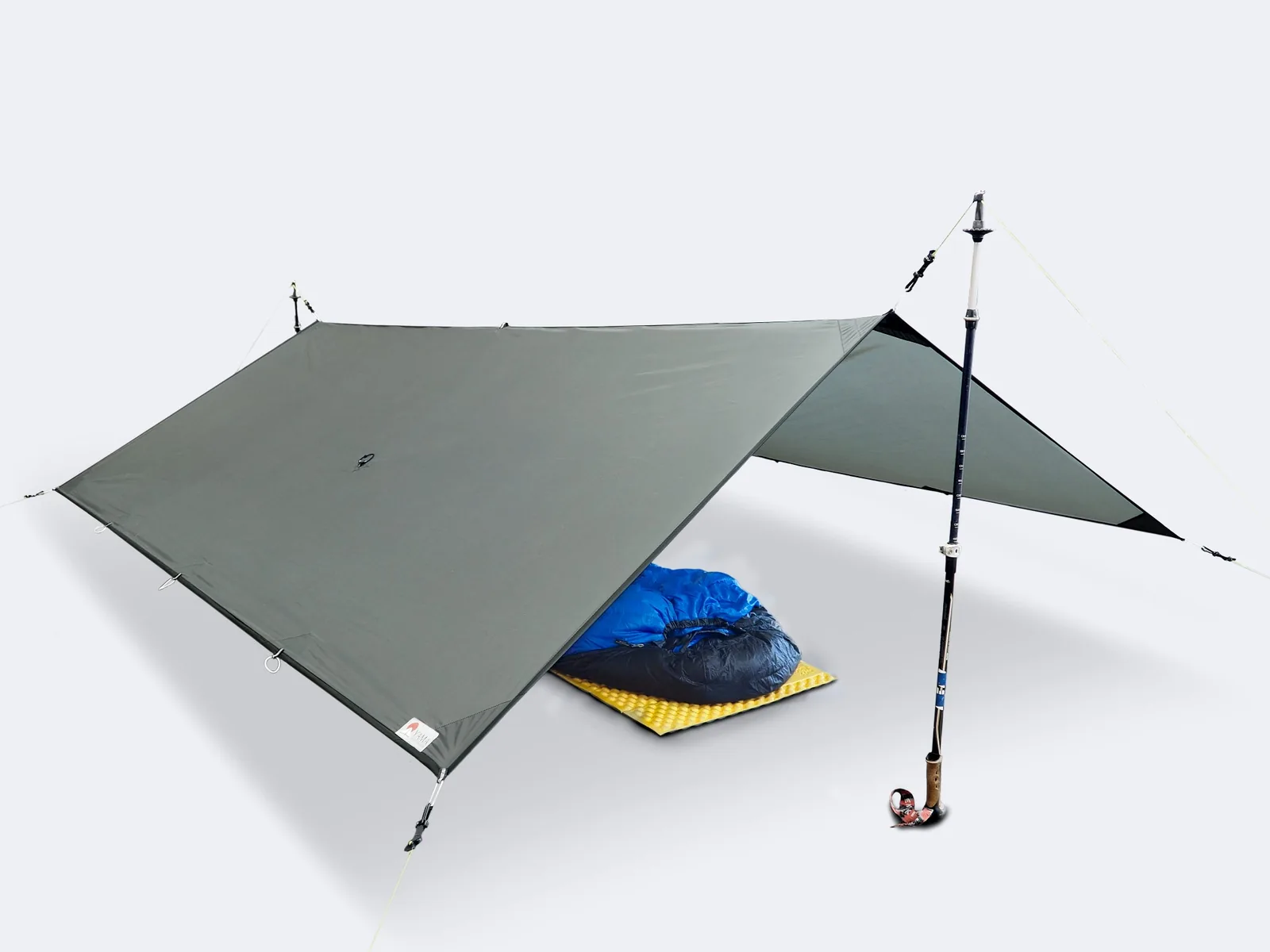
- $189 less than the Zpacks of the same size
- Silpoly sags less when wet than silnylon
- 6.6 oz heavier than the Zpacks
Gossamer Gear Twinn Tarp
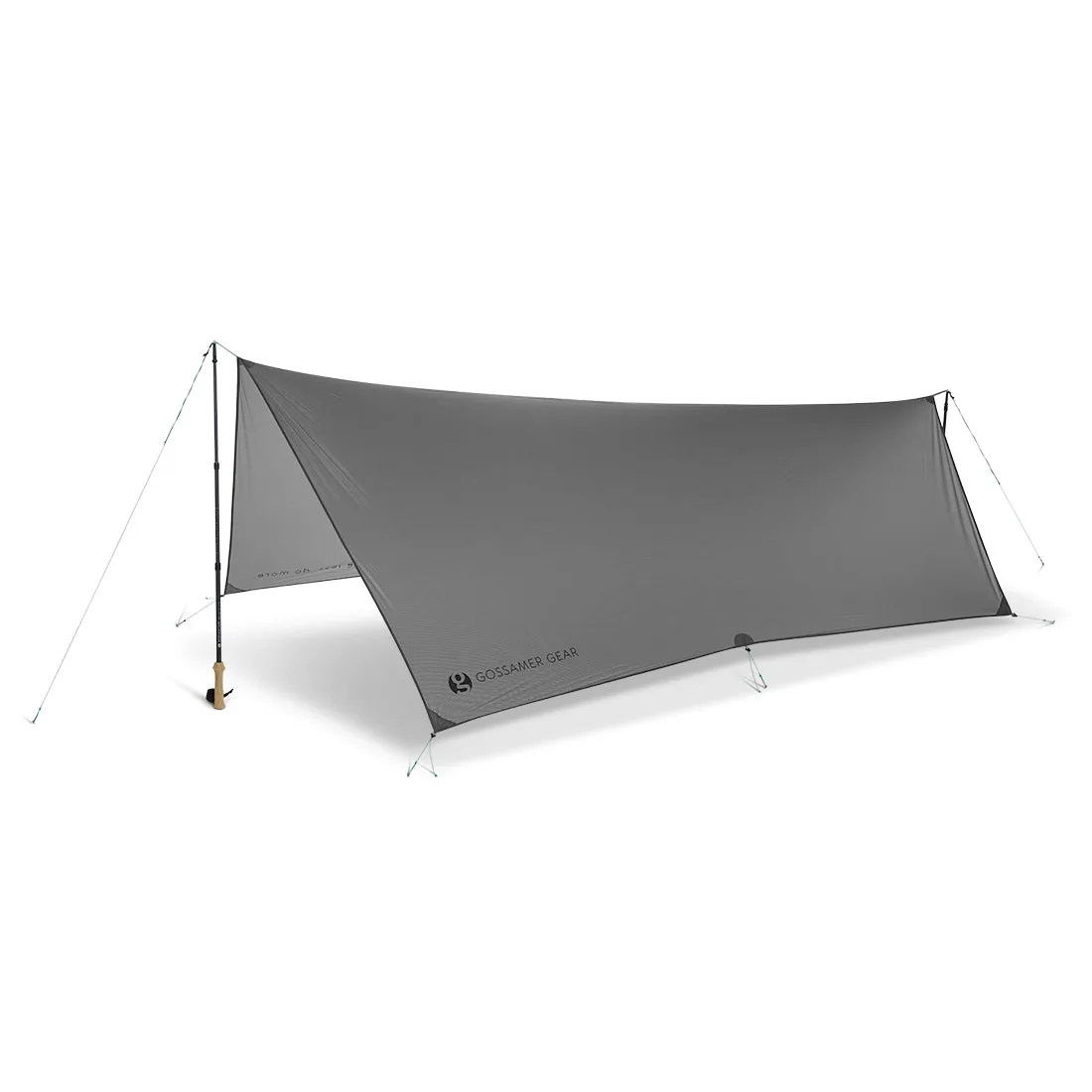
- Most coverage here
- Tapered shape: 116 in wide at the head, 84 in at the foot
- Coated nylon stretches more when wet than silpoly
- Fewer pitch options than a flat tarp
Bug bivies to pair with a tarp
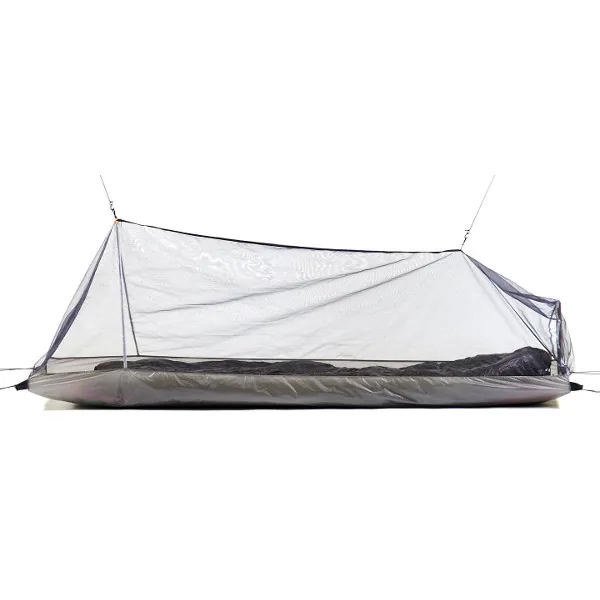
The MLD Bug Bivy weighs 6.5 oz (185 g) with a 20D silpoly floor, enters from the top and costs $185.
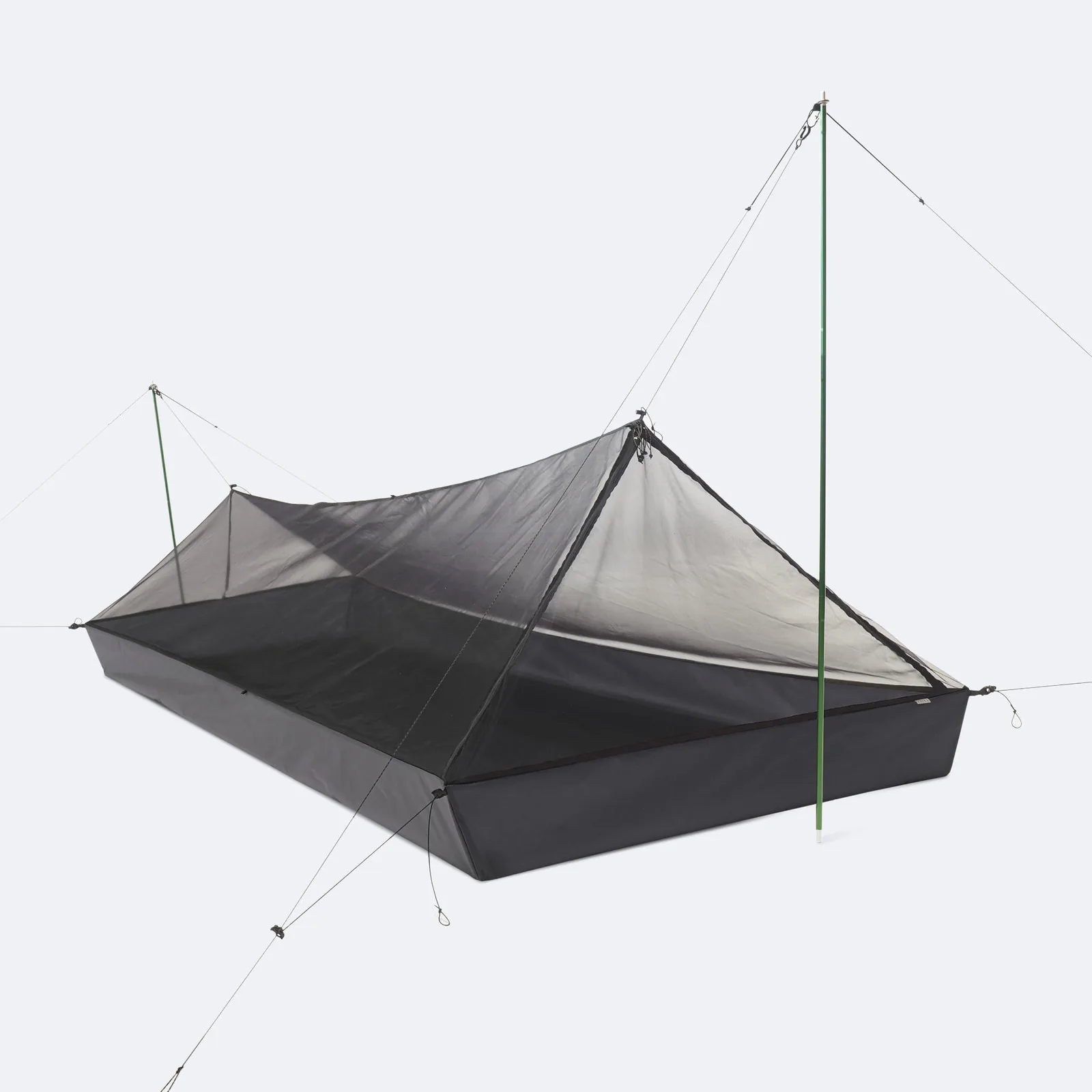
The Yama Y-zip Bug Bivy weighs 7.4 oz (210 g) with recycled 20D silpoly and no-see-um mesh, and its Y-shaped zipper opens from the front, side or top, for $99.
Which should you buy?
- Lightest solo tarp: Zpacks 7 x 9, 4.7 oz, $349.
- Cheapest solo tarp: Yama 7 x 9 silpoly, 11.3 oz, $160.
- Storms or two people in Dyneema: Hyperlite Flat Tarp, 9.0 oz, $390.
- Most room: Gossamer Gear Twinn, 47 sq ft, $175.
- If bugs or wind worry you more than ounces: a tent such as the Durston X-Mid 1 costs about the same as a tarp and bivy.
FAQ
Is a tarp lighter than a tent?
Yes, but by less than people expect once you add bug protection. A Yama 7 x 9 silpoly tarp with Yama’s Y-zip Bug Bivy weighs 18.7 oz, against 26.2 oz for the silpoly Durston X-Mid 1 tent: 7.5 oz less. In Dyneema, a Zpacks 7 x 9 tarp with an MLD Bug Bivy weighs 11.2 oz, against 15.5 oz for the X-Mid Pro 1: 4.3 oz less.
What is the best backpacking tarp?
For the lowest weight, the Zpacks 7 x 9 Flat Tarp: 4.7 oz in Dyneema, including guy lines, for $349. For the lowest price, the Yama Mountain Gear 7 x 9 Flat Tarp: 11.3 oz in recycled silpoly for $160. The Gossamer Gear Twinn Tarp is the roomiest here, with 47 sq ft of coverage for two.
Silnylon, silpoly or Dyneema: which tarp fabric?
Dyneema (DCF) is the lightest and does not absorb water, but costs about twice as much. Silpoly and coated nylon cost far less; nylon stretches more when wet, which is why many makers now use silpoly. Gossamer Gear’s Twinn uses a 15D recycled nylon with a silicone and PU coating rated to 1,200 mm.
What size tarp do I need for one person?
7 x 9 ft is the common solo size: both Zpacks and Yama make one. Hyperlite Mountain Gear’s flat tarp comes in 8’6″ square or 8 x 10 ft for more coverage in storms or for two.
Do I need a bivy with a tarp?
Only for bugs or splash. A bug bivy adds a floor and full mesh enclosure for 6.5 to 7.4 oz. Without one, you sleep on a groundsheet and rely on the tarp’s pitch and your site choice.
The bottom line
Choose a tarp for space, airflow and pitching freedom, not for weight alone: with a bug bivy it saves 4 to 8 oz over a tent of the same fabric at about the same price. If you do go tarp, the Zpacks 7 x 9 is the lightest and the Yama 7 x 9 the best value.