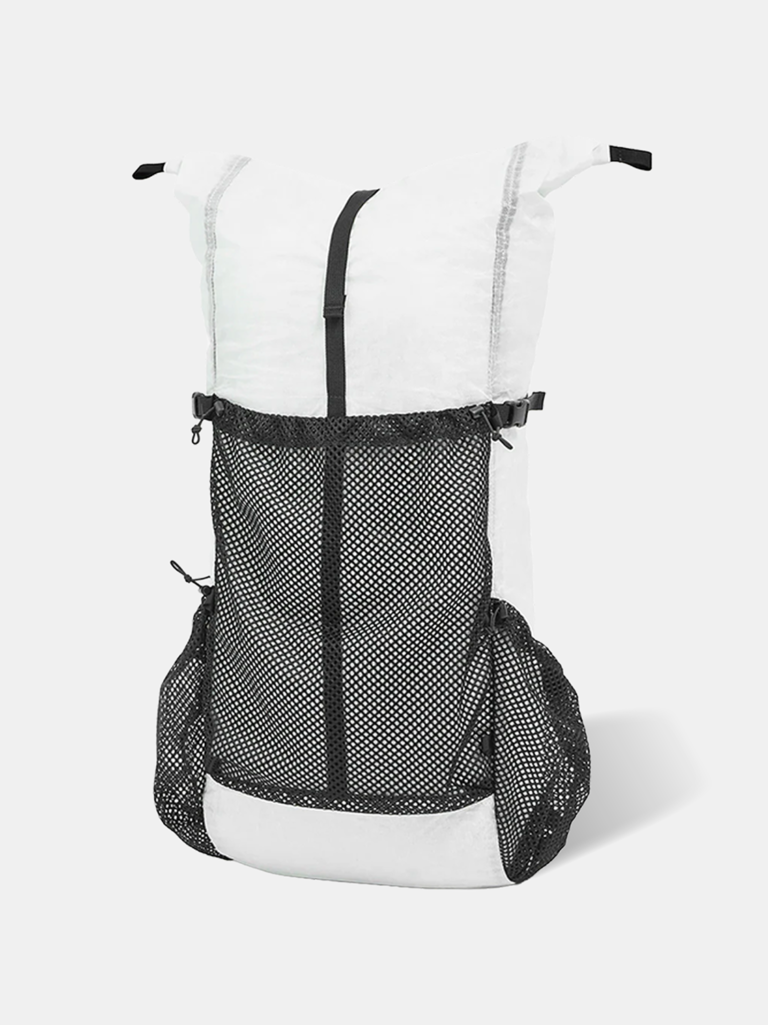
Ultralight Gear Evaluation: Our Analytical Methodology
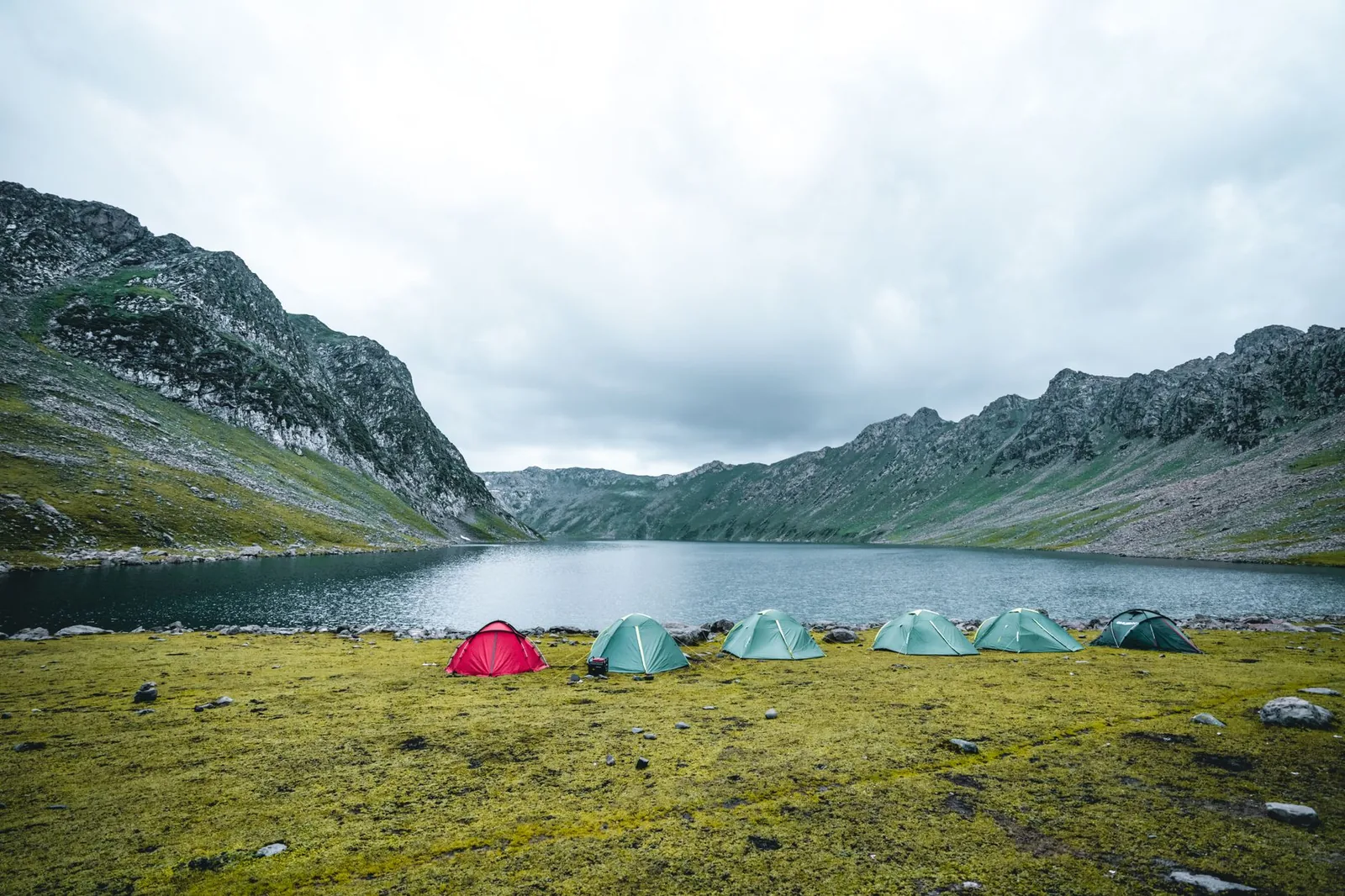
This guide details the objective framework we use to evaluate ultralight backpacking equipment. It explains how we analyze materials, construction methods, and manufacturer specifications to assess gear performance without relying on subjective anecdotes.
- Our reviews rely on objective analysis of manufacturer specifications and material science.
- We evaluate construction techniques, such as seam sealing and bartacking, to determine long-term structural integrity.
- Weight-to-performance ratios dictate our assessment of a product's viability for specific ultralight applications.
- Subjective field-testing anecdotes are excluded to maintain an unbiased, data-driven editorial standard.
The Objective Evaluation Framework
Evaluating ultralight equipment requires moving beyond subjective user anecdotes and focusing on structural engineering, material properties, and geometry. Comfort and durability are frequently discussed in terms of personal feeling, which varies wildly based on a hiker's body type, packing habits, and environmental conditions. To strip away marketing language and personal bias, equipment must be analyzed through its verifiable specifications and the physical laws that govern load transfer and weather resistance.
A rigorous framework relies on the mathematical realities of gear design. For a backpack, load transfer is dictated by the angles of the frame stays, the rigidity of the hipbelt connection, and the vertical distance between the load lifters and the shoulder harness. Padding thickness is secondary to structural geometry. Similarly, a tent's ability to shed wind is a function of its pole architecture, the tensile strength of its fabric, and the vector angles of its guylines. By examining these structural elements, we can determine the theoretical performance limits of a piece of gear before it ever reaches the trail.
We utilize established material science metrics to form the baseline of our analysis. Hydrostatic head ratings, tear strength results from standardized testing, and fabric weight measurements provide a neutral ground for comparison. By relying on manufacturer specifications and known material behaviors, we establish clear performance expectations. This objective stance ensures that gear is judged on its physical merits and construction techniques rather than the effectiveness of its branding.
- Hydrostatic head (HH) ratings to quantify the waterproof limits of shelter and pack fabrics.
- Fabric weight measurements, typically expressed in grams per square meter (gsm) or ounces per square yard (osy).
- Tensile and tear strength metrics, which dictate a material's resistance to structural failure under tension.
- Frame geometry and stay materials, comparing the rigidity and flex of tubular aluminum against carbon fiber.
- Insulation metrics, specifically fill power and loft measurements, to calculate theoretical thermal resistance.
Defining Ultralight: Weight and Purpose
While the strict definition of ultralight backpacking centers on maintaining a base weight under ten pounds, categorizing individual pieces of equipment requires a more nuanced approach based on intended function. An ultralight four-season mountaineering shelter will inherently weigh more than a minimalist summer tarp, yet both represent the lightest possible solutions within their respective environmental constraints. Evaluating gear strictly by weight without considering its purpose leads to flawed comparisons.
Establishing accurate weight thresholds requires isolating the core function of an item and analyzing the weight penalty of its features. For a shelter, efficiency is measured by the weight per square foot of usable internal space and the structural integrity required for specific wind loads. For a backpack, efficiency is the ratio of the pack's empty weight to its maximum comfortable load capacity. Features that do not directly contribute to the primary function or the structural integrity of the item are classified as superfluous weight.
Categorizing equipment by hiker profile and environmental stress prevents false equivalencies. A frameless pack built from lightweight laminates for a sub-six-pound base weight cannot be directly compared to a framed pack designed for heavy, unsupported water carries in arid environments. We classify gear by its intended load requirements and environmental exposure, ensuring that equipment is evaluated against the specific conditions it was engineered to survive.
- Fastpacking and FKT: Prioritizes running biomechanics, vest-style harnesses, and absolute minimum weight over long-term durability.
- Traditional Thru-Hiking: Balances low weight with the abrasion resistance necessary for months of continuous use and moderate food carries.
- Alpine and Four-Season: Demands high static strength for snow loading and extreme winds, accepting weight penalties for structural safety.
- Desert and Dry-Routing: Requires robust suspension geometries and higher volume to manage heavy, fluctuating water weight.
- Modular Minimalist: Focuses on multi-use items, such as flat tarps and quilt systems, to achieve the lowest possible base weight in predictable weather.
Which weight we quote
Makers publish several weights for the same product, and the gap between them can be several ounces. The weights on this site are the maker’s own published figures, taken from the maker’s product page; we do not weigh gear ourselves. Where a maker lists more than one, we say which one we used.
| Term | What it includes | What it usually leaves out |
|---|---|---|
| Minimum or trail weight | The parts needed to stand the product up: tent body, fly, poles | Stakes, guylines, stuff sacks; on packs, removable stays, pads and belt pockets |
| Packaged weight | Everything in the box | Nothing; most ultralight hikers leave some of it at home |
| Listed weight (packs, quilts, pads) | One size, as the maker specifies it | Other sizes, optional parts, repair kits, pump sacks |
Real items also vary from the listed number: coatings, fabric density and down fill change a little from batch to batch, often by a few percent. Treat any published weight, ours included, as a close estimate and weigh your own gear on a kitchen scale.
Material Science and Fabric Analysis
Fabric selection is the primary determinant of both the lifespan and weight of ultralight equipment. Traditional woven fabrics, such as nylon and polyester, rely on thread denier and weave density for their structural strength, often incorporating ripstop grids to arrest tears. Because these woven fabrics are not inherently waterproof, they require secondary coatings. Silicone coatings (silnylon or silpoly) impregnate the fibers to increase tear strength, while polyurethane (PU) coatings sit on the surface, offering easier seam taping but increasing susceptibility to chemical breakdown (hydrolysis) over time.
Non-woven laminates have fundamentally altered the weight-to-strength equation in ultralight design. Dyneema Composite Fabric (DCF) sandwiches ultra-high-molecular-weight polyethylene (UHMWPE) fibers between thin Mylar films. This creates a material that is inherently waterproof, dimensionally stable, and possesses exceptional tensile strength. However, DCF lacks stretch, which places immense stress on seams and requires precise pitching geometries, and its Mylar face is susceptible to abrasion and puncture.
Emerging composite technologies continue to address the limitations of early laminates. Materials like Ultraweave combine a woven UHMWPE face fabric with a waterproof film backing, providing the extreme abrasion resistance necessary for backpacks while maintaining a low weight profile. Newer laminates utilizing ALUULA or Spectra fibers introduce different fiber orientations and proprietary bonding agents aimed at eliminating delamination and improving UV resistance. Understanding the specific failure modes of these materials—whether UV degradation, hydrolysis, or abrasion—is critical for matching the fabric to the environment.
- Silnylon: Offers high stretch and excellent tear strength, but absorbs water, leading to sagging shelters that require retensioning.
- Silpoly: Provides minimal stretch and retains its shape when wet, though it possesses a lower inherent tear strength than nylon of the same denier.
- Dyneema Composite Fabric (DCF): Delivers zero stretch and high tensile strength, but is vulnerable to puncture and long-term abrasion.
- Ultraweave (Ultra): Combines a woven UHMWPE face with a laminated backing for exceptional abrasion resistance in pack construction.
- ALUULA: Utilizes advanced bonding processes with high-tenacity fibers to achieve high strength-to-weight ratios and resist delamination.
Construction and Durability Metrics
The structural integrity of ultralight equipment relies heavily on how individual fabric panels are joined, as the seams often present the primary failure points under tension. Traditional cut-and-sew methods require physical punctures through the material, which inherently weakens the fabric and creates avenues for water ingress. To mitigate this, manufacturers utilize specific stitch patterns and thread types tailored to the fabric's properties. High-tension areas demand bar tacks or box-X stitching to distribute forces across a wider surface area, preventing catastrophic tear-outs at critical junctions like tie-outs or shoulder strap attachments.
With the proliferation of non-woven laminates and advanced polymers, construction techniques have shifted toward bonding and welding. Ultrasonic welding and specialized adhesive tapes can create seams that are structurally stronger than the surrounding fabric, eliminating needle holes entirely. However, these methods require precise factory conditions and specific material compatibility. A bonded seam on a Dyneema Composite Fabric (DCF) shelter, for instance, relies on the shear strength of the adhesive tape, which must be formulated to resist degradation from UV exposure and temperature fluctuations.
Beyond the seams, strategic reinforcement is a critical metric for evaluating long-term durability. Rather than using a uniform heavy fabric, efficient designs utilize mapped construction. High-abrasion zones, such as the bottom of a backpack or the corners of a tent floor, receive higher-denier fabrics or double-layering. This localized approach protects the equipment from premature wear while maintaining a low overall base weight. The transition zones between these disparate materials must be carefully engineered to prevent stress concentrations where a rigid fabric meets a pliable one.
- Stitch density: Measured in stitches per inch, balancing seam strength against the risk of perforating and weakening thin fabrics.
- Seam architecture: The use of flat-felled or French seams to encapsulate raw edges and increase tensile strength.
- Thread composition: Selecting polyester thread for UV resistance and low water absorption compared to traditional nylon.
- Adhesive longevity: The expected lifespan and temperature tolerance of tapes used in bonded laminate construction.
- Hardware integration: How webbing, grosgrain loops, and plastic hardware are anchored to distribute localized stress.
Load Transfer and Suspension Geometry
Efficient load transfer dictates how effectively a backpack directs mass away from the shoulders and onto the iliac crest of the pelvis. In framed ultralight packs, this is achieved through internal stays or tubular frames, typically constructed from aluminum, carbon fiber, or Delrin. The rigidity of these materials prevents the pack torso from collapsing under weight. A frame that flexes too much will cause the load to barrel outward or sag, shifting the center of gravity away from the hiker's back and increasing perceived exertion.
The geometry of the harness system determines how the pack interfaces with the user's biomechanics. Shoulder straps generally fall into S-curve or J-curve profiles, designed to contour around the chest and armpits without restricting circulation or chafing the neck. Load lifters play a crucial role in this geometry; when attached at an optimal 45-degree angle from the top of the shoulder to the frame, they pull the upper mass of the pack forward. If the frame is too short for the user's torso, load lifters sit horizontally or angle downward, rendering them structurally useless.
Hipbelt construction is equally critical for weight distribution. Rather than simply squeezing the waist, an effective hipbelt wraps the iliac crest. Designs utilizing dual-adjust buckles and V-pull webbing systems allow the user to tension the top and bottom of the belt independently, accommodating different pelvic shapes. The foam density within the belt—often a closed-cell EVA—must be firm enough to prevent the webbing from digging into the skin, yet pliable enough to conform to the hiker's anatomy over time.
- Torso length correlation: The absolute necessity of matching the rigid frame height to the user's specific spinal measurement.
- Stay curvature: The ability to bend aluminum stays to match the natural lordotic curve of the user's spine.
- Load lifter angles: The geometric requirement of a 30 to 45-degree upward angle to effectively pull weight off the shoulders.
- Foam density and degradation: The resistance of closed-cell EVA foam to flattening out under continuous compression.
- Sternum strap elasticity: The inclusion of elastic sections to allow for thoracic expansion during heavy breathing.
The Weight-to-Durability Tradeoff
The foundational principle of ultralight equipment design is the deliberate sacrifice of absolute durability in exchange for significant weight reduction. This tradeoff requires a precise understanding of material properties, specifically the difference between tensile strength and abrasion resistance. A fabric may possess immense tensile strength, resisting tearing when pulled taut in a shelter application, yet fail quickly when subjected to the friction of sliding against granite. High-modulus polyethylene (HMPE) yarns are exceptionally strong under tension but can be susceptible to abrasion if not blended with protective nylon or polyester face fabrics.
Manufacturers navigate this compromise by utilizing hybrid weaves and ripstop grids. By weaving heavier reinforcement threads into a lighter base fabric at regular intervals, a gridstop pattern localizes damage. If a puncture occurs, the tear is halted at the thicker grid line, preventing catastrophic failure without requiring the entire panel to be made of heavy material. However, these ultralight fabrics demand a higher degree of user awareness. The margins for error are narrow; a careless pitch over sharp scree or dragging a pack across sandstone will exploit the physical limits of low-denier materials.
Contextual durability dictates that equipment must be evaluated against its intended environment rather than an absolute standard. A 7-denier silnylon shelter may provide years of service for an Appalachian Trail hiker camping on soft forest duff, but the same fabric will suffer rapid degradation from UV exposure and high winds on a high-altitude mountaineering route. The user assumes the responsibility of site selection, meticulous gear handling, and proactive maintenance as a direct substitute for the heavy, heavily coated fabrics used in traditional backpacking gear.
- Hydrostatic head degradation: The reality that ultra-thin polyurethane or silicone coatings lose water resistance faster through folding and abrasion.
- Puncture versus tear resistance: Understanding that non-woven laminates may resist tearing but remain vulnerable to sharp point punctures.
- UV degradation: The accelerated breakdown of low-denier nylon and polyester fabrics when exposed to high-altitude sunlight.
- Zipper gauge selection: The tradeoff between using lightweight #3 zippers and their increased susceptibility to dust and blowout compared to #5 zippers.
- Mesh vulnerability: The difference in snag resistance between standard knit mesh and stiffer, heavier monofilament mesh on exterior pockets.
Categorizing Gear by Hiker Profile
Matching equipment specifications to specific use cases requires understanding the fundamental differences in volume, stability, and durability demanded by different hiking styles. Fastpackers require low volume and high stability for running, prioritizing kinetic efficiency over static comfort. Conversely, traditional thru-hikers need sufficient volume for longer food carries and heavier, more abrasion-resistant fabrics to withstand months of daily use.
Suspension geometry and harness designs diverge sharply based on these profiles. Vest-style harnesses distribute weight over the ribcage and sternum, minimizing bounce for runners, but they transfer load poorly to the hips. Traditional ultralight packs utilize structured hip belts, lumbar pads, and internal stays to move weight off the shoulders, a necessity for the heavier five-to-seven-day food carries typical of long-distance trails.
Shelter and sleep systems exhibit similar variations. High-mileage hikers often accept minimal bivy sacks or shaped tarps with low headroom, prioritizing a compact packed size and rapid deployment. Hikers spending more time in camp, or those facing sustained weather above treeline, require double-wall tents or larger pyramid mids that handle condensation, wind loading, and static snow loads more effectively.
- Fastpackers: Prioritize vest-style harnesses, sub-30L volumes, and running-specific ergonomics to minimize bounce.
- Traditional Thru-hikers: Require 40-50L volumes, modular hip belts, and fabrics in the 100D to 200D range for long-term abrasion resistance.
- Off-trail and Alpine Hikers: Demand high-tenacity woven fabrics like Ultra 400 and minimal external mesh pockets that snag on dense brush.
- Weekend Hikers: Can often utilize highly specialized, fragile fabrics since their total days of UV and abrasion exposure remain low.

Evaluating Price and Value Tiers
The relationship between cost and weight reduction in ultralight equipment is strictly non-linear. Moving from standard silnylon or 210D nylon to advanced composites yields diminishing returns per dollar. The initial drop in base weight is relatively inexpensive, achieved through simplified designs and lighter conventional fabrics. Shedding the final ounces requires expensive laminates and highly specialized, labor-intensive manufacturing techniques.
Entry-level ultralight equipment typically relies on silicone-coated polyesters (silpoly) or low-denier nylons. These materials offer excellent value, high tear strength, and low water absorption. The tradeoff is a slight weight penalty and increased stretch under tension compared to premium composites, requiring frequent re-tensioning of shelter guylines in wet conditions.
Premium tiers utilize UHMWPE (Ultra-High Molecular Weight Polyethylene) composites and advanced bonding methods rather than traditional stitching. These materials dominate the high end because they offer exceptional tensile strength and inherent waterproofing without relying on degradable polyurethane coatings. Buyers pay a premium for the raw material cost and the meticulous taping and bonding required for assembly.
- Budget tier: Silpoly and silnylon fabrics, traditional sewn seams, and heavier aluminum or fiberglass hardware.
- Mid-range tier: High-tenacity nylons, hybrid construction techniques, carbon fiber stays, and factory-taped seams.
- Premium tier: UHMWPE composites, fully bonded seams, and titanium or custom 3D-printed hardware.
- Value trap: Paying premium prices for ultralight fabrics in designs that use heavy, overbuilt hardware and excessive zippers, negating the material weight savings.
Identifying Common Design Flaws
A frequent compromise in ultralight gear is the mismatch between fabric strength and seam construction. Manufacturers sometimes specify high-tensile composite fabrics but fail to properly reinforce stress points like shelter tie-outs or shoulder strap attachments. Without adequate backing panels or structural bonding, the stronger fabric simply tears away from the weaker stitching under load, leading to catastrophic failure.
Hardware and closure systems present another common area for design flaws. To hit a specific weight target, brands may specify undersized zippers, such as a #3 YKK coil on a high-tension tent door, or fragile plastic cord locks. These components fail rapidly in gritty, dusty environments, rendering the shelter or pack unusable despite the primary fabric remaining entirely intact.
Suspension geometry often suffers in the pursuit of extreme weight reduction. Hip belts sewn directly into the pack body without load lifters or a rigid stay transfer weight poorly, causing the pack to barrel against the spine. A frameless pack loaded beyond its structural capacity will collapse, placing the entire burden on the hiker's shoulders and defeating the purpose of an ergonomic harness.
- Undersized zippers on high-stress shelter doors or sleeping bags, leading to premature track separation and slider failure.
- Lack of radial reinforcements at shelter tie-outs, causing point-loading and immediate fabric tearing in high winds.
- Sewn-through seams on waterproof laminates without factory taping, resulting in immediate water ingress.
- Over-reliance on spandex or Lycra external pockets that lose elasticity quickly and tear against abrasive rock.
- Inadequate torso length options, forcing hikers into poorly fitting packs that cannot properly transfer weight to the iliac crest.
The Future of Gear Specifications
The trajectory of ultralight equipment relies on the continuous refinement of composite materials and the elimination of traditional failure points. Historically, the transition from silnylons to UHMWPE laminates forced a compromise: exceptional tensile strength at the cost of abrasion resistance and Mylar delamination. Emerging fabrics, such as ALUULA and advanced woven Spectra blends, address this by replacing traditional glues with co-polymer bonding processes. This structural shift removes the fragile film layer, yielding a material that maintains high tear strength while drastically improving puncture resistance and long-term folding fatigue.
Manufacturing techniques are concurrently shifting from mechanical stitching to thermal bonding and ultrasonic welding. Traditional sewing inherently compromises waterproof fabrics by introducing micro-perforations that require secondary seam taping, adding weight and creating a point of eventual failure. By fusing panels directly, manufacturers create continuous structural bonds that distribute load stress more evenly across the fabric. For the end user, this means evaluating a shelter or pack will increasingly depend on the shear strength of its bonded seams rather than stitch density or thread composition.
As these construction methods mature, the metrics used to evaluate gear must adapt to reflect dynamic performance rather than static baseline numbers. A standard hydrostatic head rating indicates how a pristine fabric resists water pressure, but it fails to quantify how that same fabric performs after weeks of UV exposure, abrasion, and tight packing. Future specification standards will likely incorporate fatigue metrics, measuring a material's retention of waterproofness and tear strength after simulated aging. Understanding these dynamic limits allows hikers to predict the functional lifespan of an ultralight kit with greater accuracy.
- The transition from glued laminates to thermally fused co-polymers, reducing delamination risks in high-wear areas.
- A shift toward ultrasonic welding and laser-cut paneling, minimizing reliance on heavy seam tapes and mechanical stitching.
- Development of dynamic hydrostatic head testing to measure moisture resistance after sustained abrasion and folding.
- Implementation of 3D-knitted suspension components that resist the compression degradation typical of standard EVA foams.
- More granular reporting of fabric architecture, detailing distinct warp and weft fiber compositions rather than a single denier average.
- Standardized load-rating protocols based on measurable frame deflection under dynamic stress rather than subjective comfort thresholds.
FAQ
Why doesn't UltralightPackers conduct field testing?
How do you evaluate the durability of a new fabric?
What makes a product fail your ultralight criteria?
The bottom line
Our methodology prioritizes objective data over subjective experience. By analyzing materials, construction techniques, and manufacturer specifications, we provide a factual foundation for evaluating ultralight equipment.
Related guides
Keep building your system with these closely related guides.
Further reading
Authoritative sources to go deeper on the topics above.