How to Transition to Ultralight Backpacking

Lowering your pack weight reduces physical strain, decreases the likelihood of injury, and allows you to cover more miles with less fatigue. This guide breaks down the systematic process of transitioning from a traditional backpacking setup to an ultralight system, focusing on objective gear analysis, strategic upgrades, and packing philosophy.
- Weigh every individual piece of gear on a digital scale to establish an accurate baseline.
- Address the 'Big Three' (shelter, sleep system, and backpack) first, as they offer the largest potential weight savings.
- Eliminate redundant items and pack for the expected conditions rather than unlikely scenarios.
- Purchase your ultralight backpack only after the rest of your gear is finalized to ensure proper volume and weight capacity.
The Core Philosophy of Ultralight Backpacking
Ultralight backpacking is fundamentally about carrying exactly what you need to be safe and comfortable, and nothing more. Traditional backpacking often relies on a mindset of packing for every conceivable scenario, which leads to heavy, redundant gear loads. The ultralight approach shifts this paradigm by emphasizing careful trip planning, skill development, and reliance on multi-use items. By understanding the specific weather, terrain, and water availability of a route, hikers can safely leave unnecessary contingencies behind.
A major component of this philosophy is addressing packing fears. Many hikers carry heavy camp shoes, multiple changes of clothing, and massive first aid kits out of a fear of discomfort. Transitioning to ultralight requires accepting a baseline level of wilderness simplicity. It means wearing the same hiking clothes for several days, using a sit pad instead of a camp chair, and trusting a carefully curated, minimalist repair and medical kit. The comfort lost at camp is generally offset by the immense comfort gained while walking.
Another pillar is the concept of multi-use items. Redundancy adds weight quickly. An ultralight hiker looks for gear that serves two or three purposes. Trekking poles provide stability while walking but also serve as the structural support for a shelter. A sleeping pad provides insulation at night but can also serve as the internal frame for a frameless backpack. A simple bandana can act as a towel, a water pre-filter, a pot holder, and sun protection. Maximizing the utility of every ounce is how base weights drop below the standard ultralight threshold of ten pounds.
Understanding Base Weight and Gear Metrics
To manage pack weight effectively, you must understand how it is measured. The standard metric in the backpacking community is 'base weight.' Base weight is the total weight of your backpack and all the gear inside it, excluding consumables. Consumables include food, water, and fuel. Because the weight of consumables fluctuates constantly throughout a trip—decreasing as you eat, drink, and cook, and increasing when you filter water or resupply—including them in your initial gear calculation makes it impossible to compare setups objectively.
Total pack weight (or skin-out weight) includes your base weight plus your consumables and the clothing and gear you are wearing. While total weight is what your knees and back actually feel on the trail, base weight is the variable you have complete control over before you leave the house. The generally accepted threshold for an 'ultralight' base weight is under ten pounds, while 'lightweight' is typically considered to be under fifteen pounds.
Achieving a sub-ten-pound base weight requires a meticulous accounting of every item. This is where the digital kitchen scale becomes an essential tool. Manufacturer specifications are often inaccurate, sometimes listing the weight of a tent without its stakes or stuff sacks, or providing an average weight across different sizes. Weighing your own gear in the exact configuration you plan to carry it—including the specific number of tent stakes, the exact length of guyline, and the precise amount of repackaged soap—is the only way to build an accurate gear list.
Material Science in Ultralight Gear
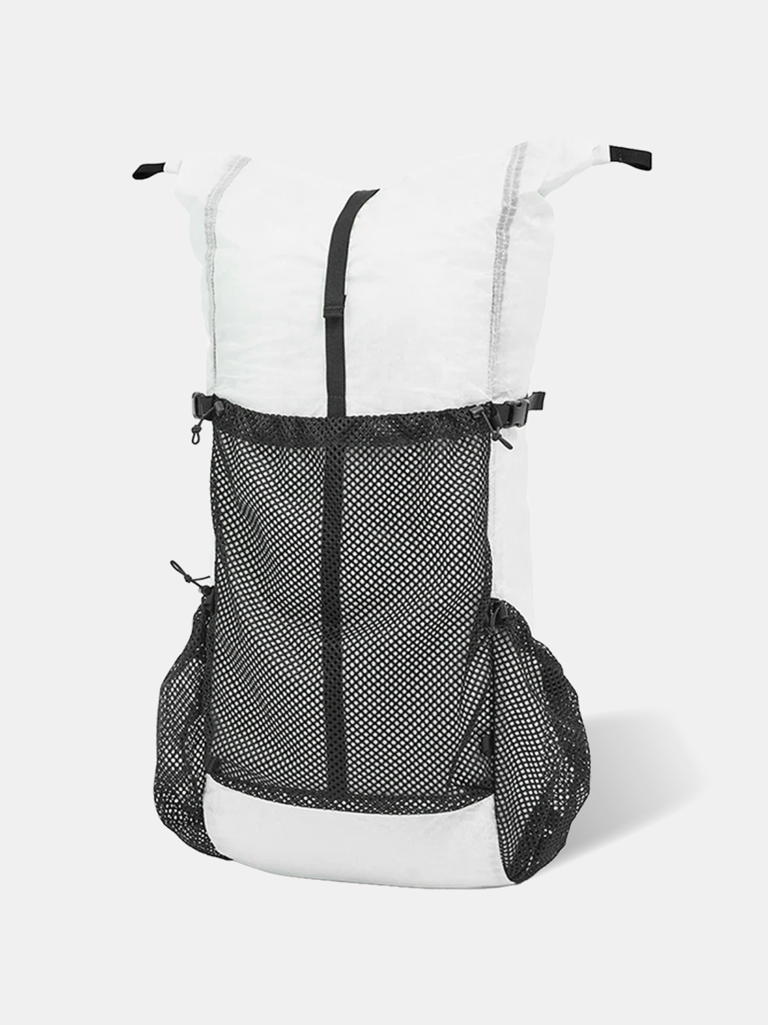
The dramatic reduction in gear weight over the last two decades is largely due to advancements in material science. Understanding these materials helps in making informed purchasing decisions. For shelters and backpacks, Dyneema Composite Fabric (DCF) is highly prevalent. DCF is exceptionally light, inherently waterproof, and possesses high tensile strength, though it is expensive and has lower abrasion resistance compared to traditional nylons. SilPoly (silicone-impregnated polyester) is another popular shelter material; it sags less when wet than SilNylon and is more affordable than DCF, making it a common choice for tarps and mid-style tents.
In sleep systems, the focus is on high-fill-power goose or duck down. Fill power measures the lofting ability of the down; a higher number (such as 850, 900, or 950) means the down traps more air per ounce, providing a higher warmth-to-weight ratio. Ultralight quilts and sleeping bags utilize these high-fill-power downs encased in ultra-thin nylon shell fabrics, often 10-denier or 7-denier, to minimize the weight of the fabric itself.
For hardware and cookware, titanium is the standard. Titanium offers a strength-to-weight ratio superior to aluminum and steel. It is highly resistant to corrosion and can withstand the direct heat of a backpacking stove without warping, making it ideal for minimalist pots and long-handled spoons. Understanding the tradeoffs of these materials—such as titanium's poor heat distribution, which makes it great for boiling water but poor for simmering food—is crucial for building a functional ultralight kit.

The steps

Common mistakes
- Buying an ultralight backpack before upgrading the heavy sleeping bag and tent, resulting in a load that exceeds the pack's comfortable carrying capacity.
- Packing your fears by bringing extra clothing, massive knives, or redundant fire-starting tools for unlikely survival scenarios.
- Failing to account for the weight of food and water. A sub-ten-pound base weight is useless if you carry unnecessary gallons of water when water sources are abundant.
- Relying on manufacturer weight specifications instead of weighing gear personally on a digital scale.
Checklist
- Digital kitchen scale purchased and calibrated.
- Comprehensive gear spreadsheet created with exact weights.
- Unused and redundant items removed from the gear list.
- Heavy double-wall tent replaced with a trekking pole shelter or tarp.
- Traditional sleeping bag replaced with an ultralight quilt.
- Cook system reduced to a single titanium pot and micro-stove.
- Consumables and toiletries repackaged into micro-containers.
FAQ
What is the difference between base weight and total weight?
Why do ultralight hikers use quilts instead of sleeping bags?
Are frameless backpacks comfortable?
Do I need a footprint for an ultralight tent?
How do I handle bear canisters with an ultralight pack?
The bottom line
Transitioning to ultralight backpacking requires a shift from packing for contingencies to packing for realities, utilizing a digital scale to track every ounce. By systematically upgrading your shelter, sleep system, and backpack, and ruthlessly eliminating redundancies, you can drastically reduce your base weight and improve your efficiency on the trail.
Related guides
Keep building your system with these closely related guides.
- How to Reduce Backpack Weight by 10 Lbs: A Step-by-Step Guide
- Beginners
- Ultralight Gear Evaluation: Our Analytical Methodology
Further reading
Authoritative sources to go deeper on the topics above.