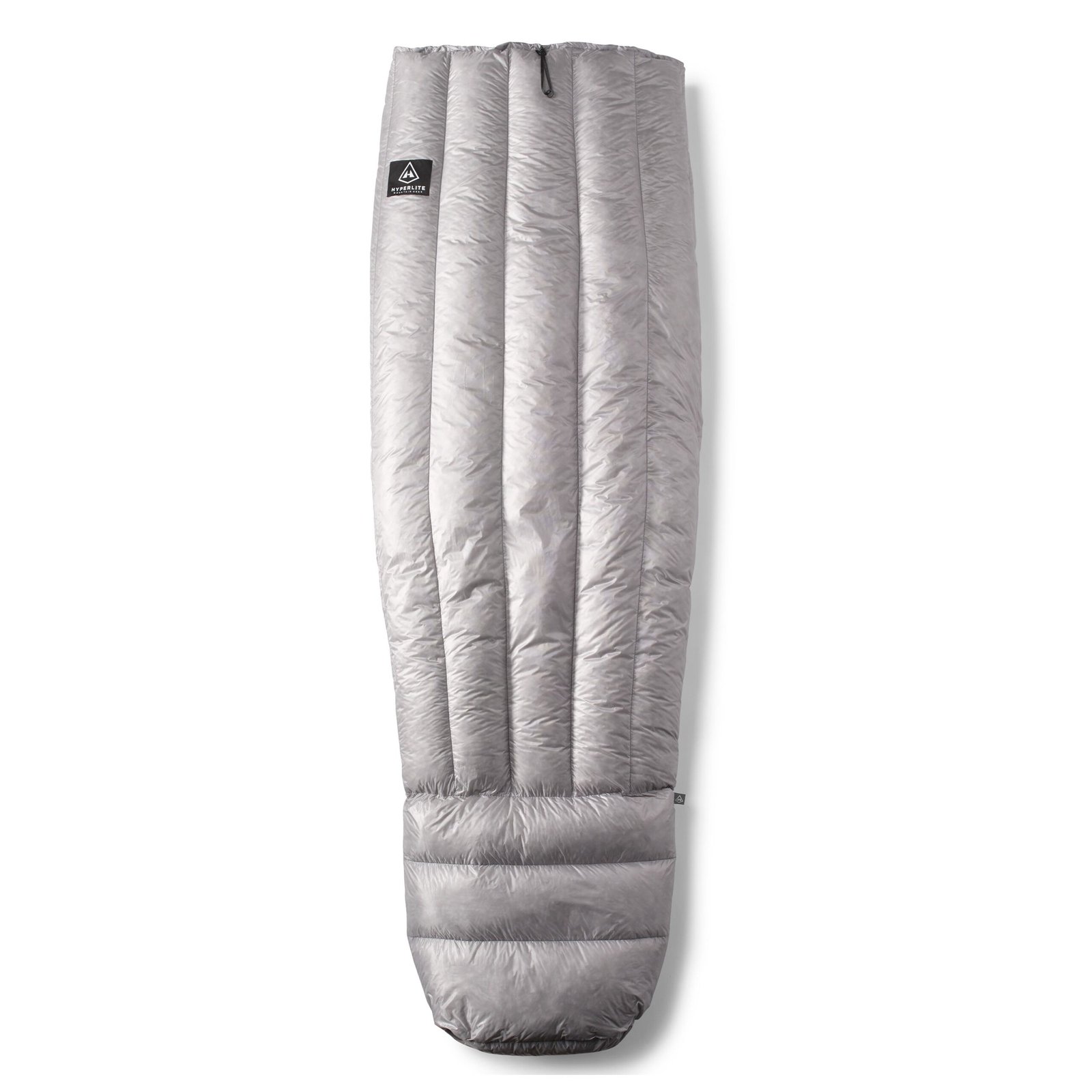
PCT Gear Guide: The Best Ultralight Quilts for the Trail

How we did this: we analyzed the manufacturer-published specifications for 6 products — weight, capacity, price and material — alongside documented design differences. We have not field-tested them.
The official length of the Pacific Crest Trail is 2,650 miles, crossing through California, Oregon, and Washington. Northbound hikers typically start at the southern terminus between mid-April and mid-May and finish in September or October, exposing their sleep system to everything from freezing desert nights to high-altitude Sierra frost. This guide analyzes ultralight quilts based on the specific temperatures, pack volume constraints, and regulatory requirements of the PCT.
- A 20-degree rating is the standard baseline for a complete thru-hike, balancing the freezing nights at high elevation with the milder conditions of Northern California.
- Extensive bear canister requirements across the Sierra Nevada, Desolation Wilderness, and Cascade ranges demand highly compressible sleep systems to manage pack volume.
- Long water carries, specifically the 26-mile dry stretch along the Hat Creek Rim, force hikers to offset heavy water weight with an ultralight quilt.
- Strict campfire bans throughout California mean your quilt is your primary source of warmth during rest periods.
What this trail demands
The Pacific Crest Trail forces a sleep system to perform across three distinct climate zones over its 2,650-mile length. In the Southern California desert, hikers face massive diurnal temperature swings, where daytime highs can drop to near-freezing temperatures overnight due to the lack of cloud cover and low humidity. Moving into the Sierra Nevada, the elevation climbs drastically. The highest point on the entire trail is Forester Pass, which sits at an elevation of 13,180 feet and serves as the boundary between Sequoia and Kings Canyon National Parks. At these altitudes, nighttime temperatures routinely drop below freezing, requiring a quilt that can trap heat efficiently in thin, cold air.
Beyond temperature, the physical volume and weight of your gear are dictated by the trail's logistical hurdles. Water availability is a constant pressure, particularly in sections like the Hat Creek Rim, where there is often no water available for approximately 26 miles. Carrying the necessary water for this stretch adds immense weight to a pack, requiring the base weight of items like the sleep system to be as low as possible. Furthermore, rigid bear canisters are mandatory across vast stretches of the trail, consuming significant internal pack space and forcing the quilt to compress into whatever volume remains at the bottom of the bag.
Finally, the trail's regulatory environment shapes how hikers stay warm. A California Campfire Permit is required to use a stove, lantern, or build a campfire on much of the PCT within California. Even with this permit, seasonal fire bans frequently prohibit all campfires, meaning hikers cannot rely on a fire for warmth at camp. Your quilt must be capable of providing all necessary insulation as soon as you stop moving, right up until you reach the northern terminus.
- Forester Pass (13,180 feet) and the high Sierra dictate the absolute minimum temperature rating required for the sleep system.
- The 26-mile dry stretch on the Hat Creek Rim forces maximum weight reduction in the sleep system to accommodate heavy water carries.
- Mandatory bear canisters in Yosemite, Sequoia, Kings Canyon, Inyo, Desolation, Lassen, and the northern Cascades severely limit available pack volume.
- Strict campfire regulations in California eliminate supplemental heat at camp, requiring the quilt to handle all static insulation.
- The typical mid-April to mid-May northbound start exposes hikers to late-winter conditions in the desert mountains and early-winter conditions in Washington.
A realistic base weight
A realistic base weight for a PCT thru-hike is between 10 and 15 pounds. This target is driven by the necessity of carrying heavy consumables, specifically 4 to 6 liters of water on dry stretches like the Hat Creek Rim, and the 2 to 3 pounds added by mandatory bear canisters in the Sierra and Cascades. Keeping the sleep system under 25 ounces is critical to maintaining this base weight and leaving enough suspension capacity in an ultralight pack for food and water.
The kit, role by role
Sleep system
Hyperlite Mountain Gear 20-Degree Quilt

- 19 oz weight offsets heavy water carries in the desert.
- Appropriate temperature rating for high-elevation Sierra nights.
- May be too warm for mid-summer in Northern California.
- Premium price point requires a larger initial budget.
The 20-Degree Quilt represents the standard insulation baseline for the Pacific Crest Trail. At 18.6 ounces, it provides the necessary thermal efficiency for the freezing nights at Forester Pass without adding unnecessary bulk during the warmer stretches of Northern California and Oregon. The low weight is a direct asset when hikers must load their packs with extra water for the 26-mile dry stretch along the Hat Creek Rim. While it carries a higher price at $530, the weight-to-warmth ratio fits the strict demands of a 10-to-15-pound base weight. It may require hikers to vent heavily by opening the footbox or draping it loosely during the hottest weeks of the hike.
Check price →Sleep system
Jacks R Better Big Meadows Ultralight 0° Wide Winter Backpacking

- 0-degree rating handles extreme cold at 13,180 feet.
- Ripstop nylon shell provides durability against abrasive granite.
- Wide cut allows for heavy layering underneath.
- 22 oz weight is heavier than standard 20-degree options.
- Significant overkill for the Oregon and Northern California sections.
For hikers who sleep cold or those starting early enough to face significant snow in the Sierra Nevada, the Big Meadows Ultralight 0° Wide Winter Backpacking Quilt offers a substantial safety margin. Weighing 22 ounces, it is remarkably light for a 0-degree rating, though it still demands more pack space than a summer quilt. The taffeta construction offers durability against the granite surfaces common in Sequoia and Kings Canyon National Parks. The wide cut allows a hiker to wear their insulated jacket and pants inside the quilt without compressing the internal loft. At $629, it is a specialized tool that will likely need to be swapped out or heavily vented once the trail descends into the lower elevations of Oregon.
Check price →Sleep system
Zpacks Solo Quilt

- Extremely low 12 oz weight.
- Compresses small enough to easily fit alongside a bear canister.
- Insufficient for the high elevations of the Sierra Nevada.
- Requires a robust clothing system to stretch its temperature range.
The Solo Quilt is an entirely different approach to the trail, prioritizing absolute minimum weight at just 12 ounces. This piece is highly specific to the mid-summer sections of the PCT, where nighttime temperatures remain mild. It is an excellent option for hikers looking to swap their gear after exiting the Sierra Nevada, reducing their base weight for the long, hot miles through Northern California. The minimal weight and volume make packing around a mandatory bear canister in Lassen Volcanic National Park significantly easier. However, relying on a 12-ounce quilt at Forester Pass or during the late-season push through Washington would be a severe miscalculation, requiring the hiker to wear every piece of clothing they own to avoid hypothermia.
Check price →Sleep system
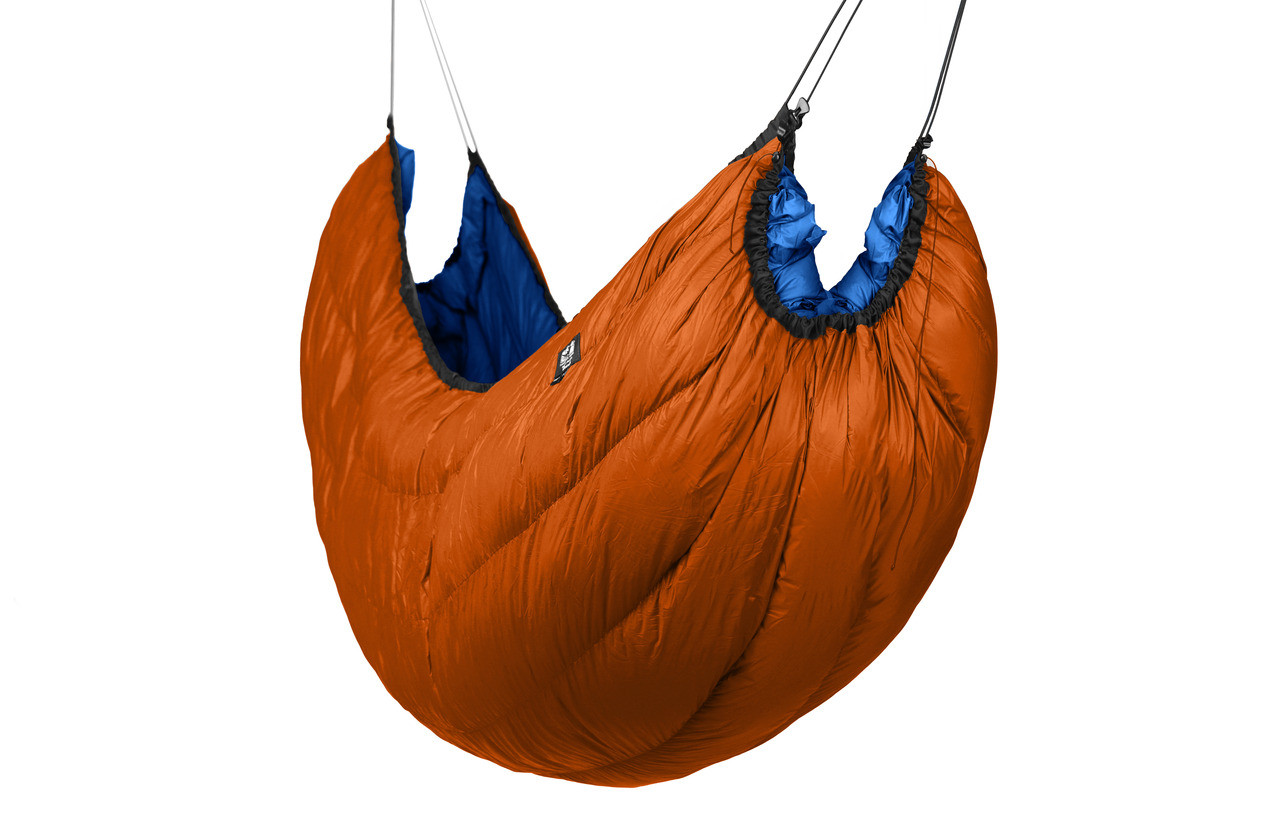
Hammock Gear Hearth
- Highly accessible $119.95 price point.
- Its weight remains competitive for ultralight base weights.
- 850-fill provides excellent compressibility.
- May lack the advanced drafting controls of premium models.
- Requires careful site selection in high winds.
The Hearth quilt answers the need for a low-weight sleep system that does not consume a massive portion of a thru-hiker's budget. At $119.95, it directly competes with quilts that cost three times as much, making it easier for hikers to allocate funds toward food and logistics over a five-month journey. The 850-fill material ensures it can be compressed tightly into the bottom of a pack, leaving crucial space for the hard-sided canisters required in the Desolation Wilderness. While it hits the necessary weight metrics for the PCT, hikers will need to ensure their sleeping pad provides adequate R-value to support the quilt in the colder sections of the trail.
Check price →Sleep system
Katabatic Gear Alsek 22°F

- Pertex Quantum construction resists moisture buildup.
- Its temperature rating is appropriate for the northern terminus push.
- 23.3 oz weight is significantly heavier than down alternatives.
- Pertex Quantum provides breathability to protect insulation.
The Alsek 22°F Quilt is built for the specific environmental shift that occurs as hikers enter Washington. Weighing 23.3 ounces and utilizing Pertex Quantum, this quilt sacrifices some weight savings for enhanced moisture resistance. As hikers push toward the northern terminus in September or October, they frequently encounter sustained rain, freezing fog, and high humidity in the Mt. Baker-Snoqualmie and Okanogan-Wenatchee National Forests. The Pertex Quantum shell helps protect the internal insulation from condensation inside a single-wall tent. The temperature rating provides the necessary warmth for the late-season cold, though the 23.3-ounce weight requires a pack with a more robust suspension system to carry comfortably.
Check price →Sleep system
Hyberg NIMBUS IV Down

- 25.7 oz weight is manageable for the entire trail.
- Goose down provides reliable loft after repeated compression.
- Heavier than the 19 oz alternatives for the same role.
- Requires careful moisture management in Washington.
The NIMBUS IV Down Quilt offers a middle ground for hikers who want one sleep system for the entire 2,650 miles. At 25.7 ounces, it is heavier than the absolute lightest options but still falls well within the parameters of an ultralight kit. The goose down insulation provides the necessary loft to handle the cold nights in the Sierra Nevada while remaining compressible enough to pack around the bear canisters required in the Rae Lakes Loop. At €379, it represents a solid investment for a complete thru-hike, though hikers will need to be diligent about keeping the goose down dry during the damp conditions often found near the northern terminus.
Check price →Weights at a glance
| Role | Item | Weight | Price |
|---|---|---|---|
| Sleep system | 20-Degree | 19 oz | $530 |
| Sleep system | Big Meadows Ultraligh… | 22 oz | $629 |
| Sleep system | Solo | 12 oz | $419 |
| Sleep system | Hearth | 17.48 oz | $119.95 |
| Sleep system | Alsek 22°F | 23.3 oz | $399 |
| Sleep system | NIMBUS IV Down | 25.8 oz | €379 |
Managing Pack Volume Around Mandatory Bear Canisters
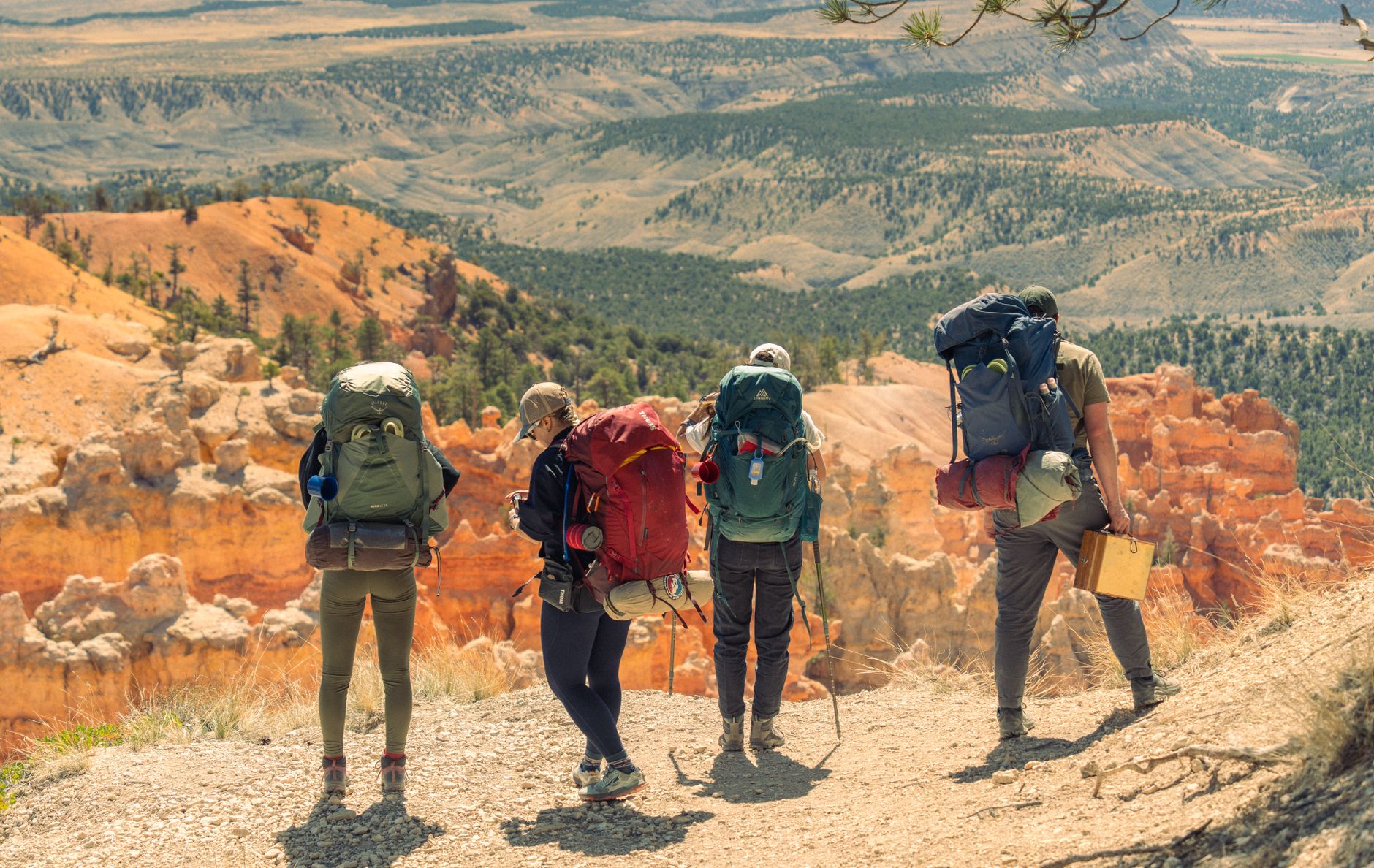
The Pacific Crest Trail routes through numerous jurisdictions with strict, non-negotiable food storage regulations. A rigid bear canister is not a suggestion on this trail; it is a legal requirement across vast stretches. Yosemite National Park requires PCT hikers to carry a bear canister between Glen Aulin and Sonora Pass. In the Rae Lakes Loop area of Sequoia and Kings Canyon National Parks, canisters are required from the Friday before Memorial Day through October. Furthermore, in eight specific areas of the Inyo National Forest, it is mandatory to store food and refuse in a container designed to prevent access by bears. These requirements extend further north, with all overnight visitors to the Desolation Wilderness required to use a hard-sided canister, and Lassen Volcanic National Park requiring them from April to November.
This extensive regulatory framework drastically alters pack dynamics. A standard bear canister consumes between 500 and 700 cubic inches of internal pack volume. Because the canister is rigid and cannot be compressed, the rest of your gear must conform around it. This is why the compressibility of your quilt is just as critical as its weight. A high-fill-power down quilt can be crushed into the dead space at the very bottom of the pack, creating a flat, stable shelf for the bear canister to sit on. Synthetic quilts or bulky low-fill down bags often fail this geometric test, forcing the hiker to strap the heavy canister to the outside of the pack, which ruins the center of gravity and causes severe shoulder strain over a 20-mile day.
Water Carries and the Impact on Base Weight
Water availability dictates the daily rhythm of the PCT, particularly in Southern and Northern California. The most notorious example is the Hat Creek Rim, where there is often no water available for approximately 26 miles. To safely cross this section, a hiker must carry between 4 and 6 liters of water. Because one liter of water weighs 2.2 pounds, a 6-liter carry adds over 13 pounds of dynamic weight to the pack. This sudden increase in load tests the limits of frameless or minimally framed ultralight backpacks.
To accommodate these massive water carries without exceeding the comfortable load limit of an ultralight pack, the static base weight must be aggressively minimized. The sleep system is typically one of the heaviest items in a hiker's kit. By selecting a quilt that weighs 19 ounces instead of a traditional sleeping bag that weighs 40 ounces, a hiker effectively 'buys' the capacity to carry an extra liter of water without increasing their total pack weight. The trail demands this trade-off; carrying a heavy sleep system simply means suffering under the combined weight of heavy gear and mandatory water on dry stretches.
Temperature Swings from the Desert to Forester Pass
A common misconception about the PCT is that the desert sections are universally hot. While daytime temperatures in Southern California can be punishing, the lack of humidity and cloud cover causes heat to radiate rapidly back into the atmosphere as soon as the sun sets. Hikers frequently experience near-freezing temperatures at night during the first 700 miles. A quilt must be able to handle these cold nights while also being easy to vent during the occasional warm evening.
The true test of a quilt's thermal efficiency occurs in the Sierra Nevada. The trail climbs relentlessly, culminating at Forester Pass at 13,180 feet. At this altitude, the air is thin, and nighttime temperatures routinely drop well below freezing, even in mid-summer. A quilt rated for 20 degrees is generally considered the safe baseline for this section, provided the hiker is using a sleeping pad with a high R-value and wearing their insulated jacket to bed. Quilts with a 0-degree rating offer more security for early-season entries into the Sierra but become dead weight once the trail descends into the lower, warmer elevations of Northern California and Oregon.
Regulations, Campfires, and Reroutes
Handling the PCT requires strict adherence to a complex web of permits and regulations. A long-distance permit is issued by the PCTA for continuous hikes of 500 miles or more, which simplifies logistics considerably. For example, hikers with a valid interagency PCT long-distance permit can camp in the Yosemite Wilderness without an additional permit. This permit also grants exceptions in certain closed areas; the Deep Creek Area Closure includes Deep Creek and extends 50 feet out from both sides, but hikers with a valid PCT Long-distance Permit may use specific spur trails.
One regulation that directly impacts your gear choices is the strict control of fire. A California Campfire Permit is required to use a stove, lantern, or build a campfire on much of the PCT within California. However, due to severe wildfire risks, local agencies frequently implement total fire bans that supersede this permit, prohibiting all campfires. This means you cannot rely on a fire to warm up at camp or dry out wet gear. Your quilt and your clothing are your only sources of warmth once you stop hiking, making the reliability of your sleep system an absolute necessity rather than a luxury.
The Northern Terminus and Late-Season Push
As northbound hikers enter Washington, the race against winter begins. The Cascade Range presents a drastic shift in climate, replacing the dry heat of California and Oregon with high humidity, freezing fog, and sustained rain. Sleep systems that performed flawlessly in the desert often struggle here as moisture compromises the loft of down insulation. Hikers must be meticulous about keeping their quilts dry, often relying on pack liners and careful ventilation inside their shelters.
The terrain also becomes more rugged and volatile. Approximately 4 miles north from Cutthroat Pass, the trail features steep terrain with loose, rocky soil due to significant rockfall, slowing progress and extending the time spent in the cold. Finally, the logistical reality of the terminus has changed. The Pacific Crest Trail permit program for entering Canada has ended; anyone completing the Canadian portion must use a designated port of entry. This forces hikers to plan their final miles and their exit strategy carefully, often requiring them to backtrack or take alternate routes to legally exit the wilderness, extending their exposure to the late-season elements.
Mistakes to avoid on this trail
- Assuming the Southern California desert will be warm at night and starting with a summer-weight quilt.
- Failing to account for the physical volume of a mandatory bear canister, resulting in a quilt that must be strapped to the outside of the pack.
- Relying on campfires for warmth in California, ignoring the strict regulations and frequent total fire bans.
- Ignoring the 26-mile dry stretch on the Hat Creek Rim and carrying a heavy sleep system that leaves no capacity for water weight.
- Planning to cross the northern terminus directly into Canada without realizing the permit program has ended, complicating the final exit strategy.
FAQ
Do I need a 0-degree quilt for the Sierra Nevada?
How does a bear canister affect my quilt choice?
Can I use a 12-ounce summer quilt for the whole PCT?
Why is base weight so important on the PCT?
Can I rely on a campfire to stay warm in California?
The bottom line
The Pacific Crest Trail demands a sleep system that balances thermal efficiency with absolute minimal volume and weight. A 20-degree quilt remains the most versatile tool for the 2,650-mile journey, handling the freezing nights at Forester Pass while remaining light enough to offset the heavy water carries required on the Hat Creek Rim. Because rigid bear canisters are mandatory across so much of the trail, prioritizing a highly compressible quilt is just as important as selecting the correct temperature rating.
Related guides
Keep building your system with these closely related guides.
- The Best Ultralight 3-Season Tents for the PCT
- PCT Gear Guide: Best Ultralight Backpacks for the Trail
- PCT Gear List: An Ultralight Kit Under 10 Pounds
- Ultralight Quilts vs Sleeping Bags: A Head-to-Head Guide
- Colorado Trail
- Continental Divide Trail
Further reading
Authoritative sources to go deeper on the topics above.